

When kayan9896 sings about heartbreak, she doesn’t hold back — she dives straight into the mess. The fast-rising Hong Kong singer-songwriter and actress (real name: Jeannie Ng Ka-yan) has built her name on a blend of Cantopop, R&B, and alternative pop, paired with a bilingual voice that’s as emotionally raw as it is genre-fluid.
With over 2.4 million streams on her breakout single ‘Not Too Close’, and acting credits in both hit dramas and indie films, kayan9896 is no stranger to reinvention. But her new single ‘Lost in the Rain’, cuts deeper — a song born from a breakup she initiated, but couldn’t walk away from without scars.
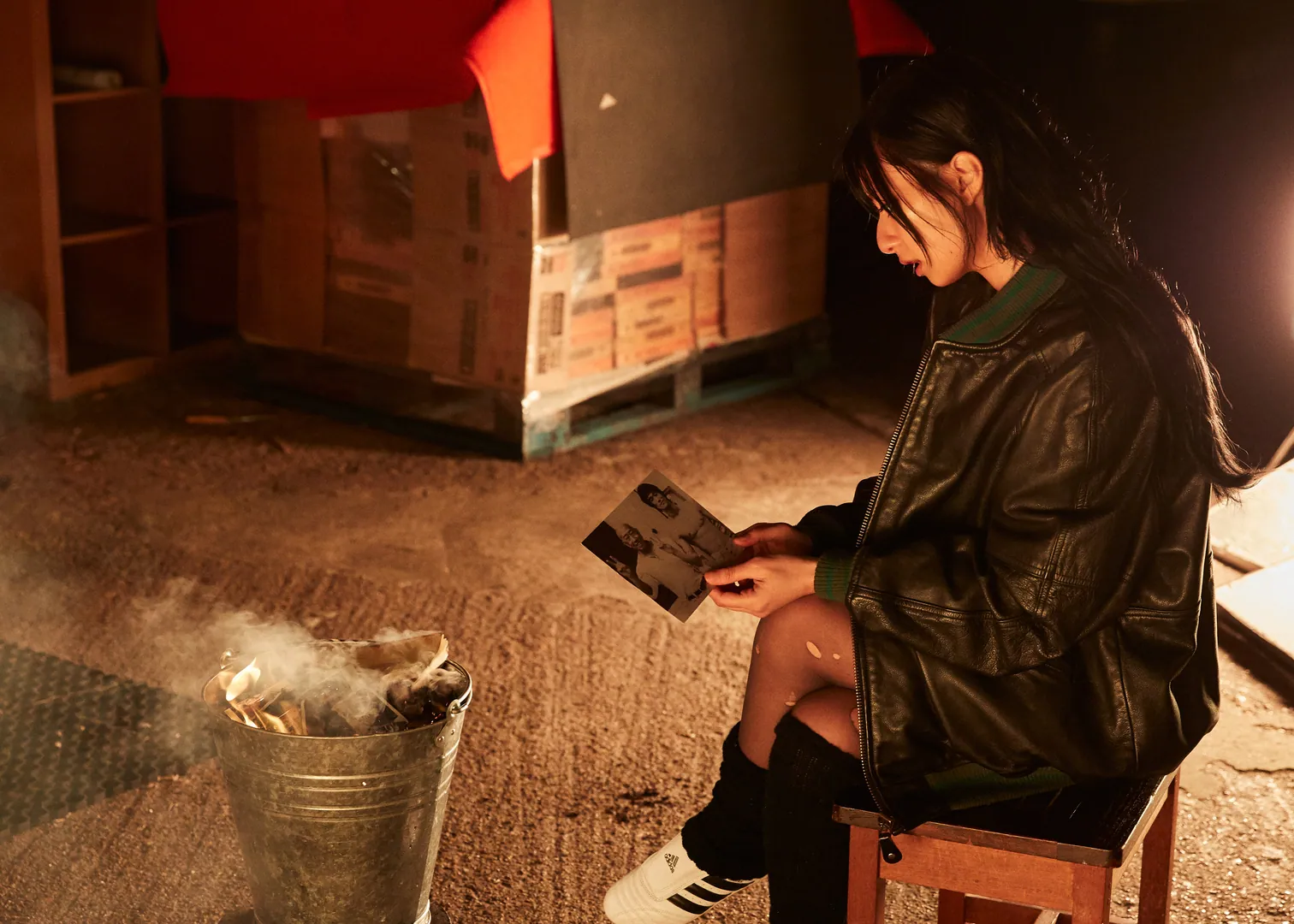
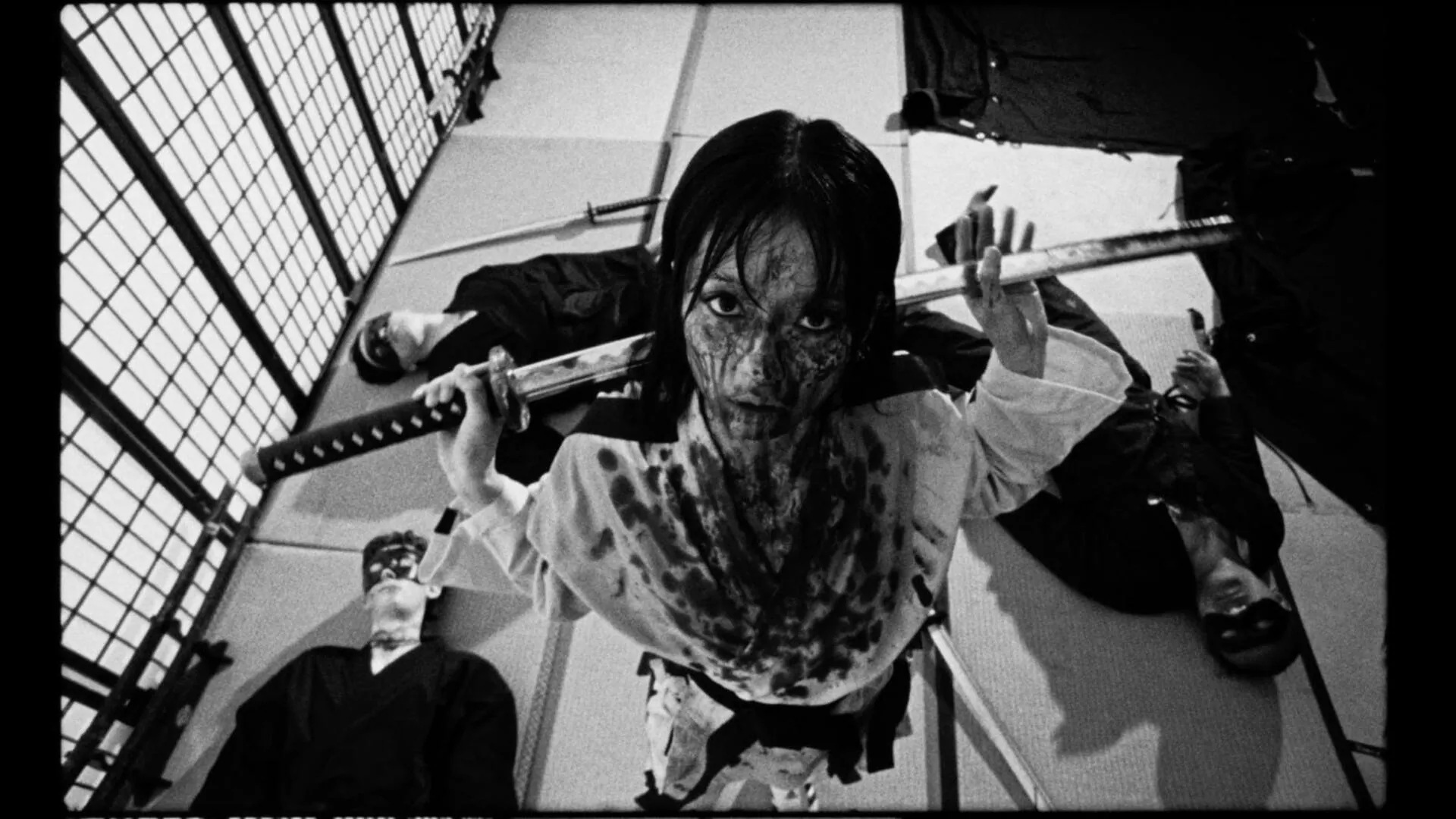
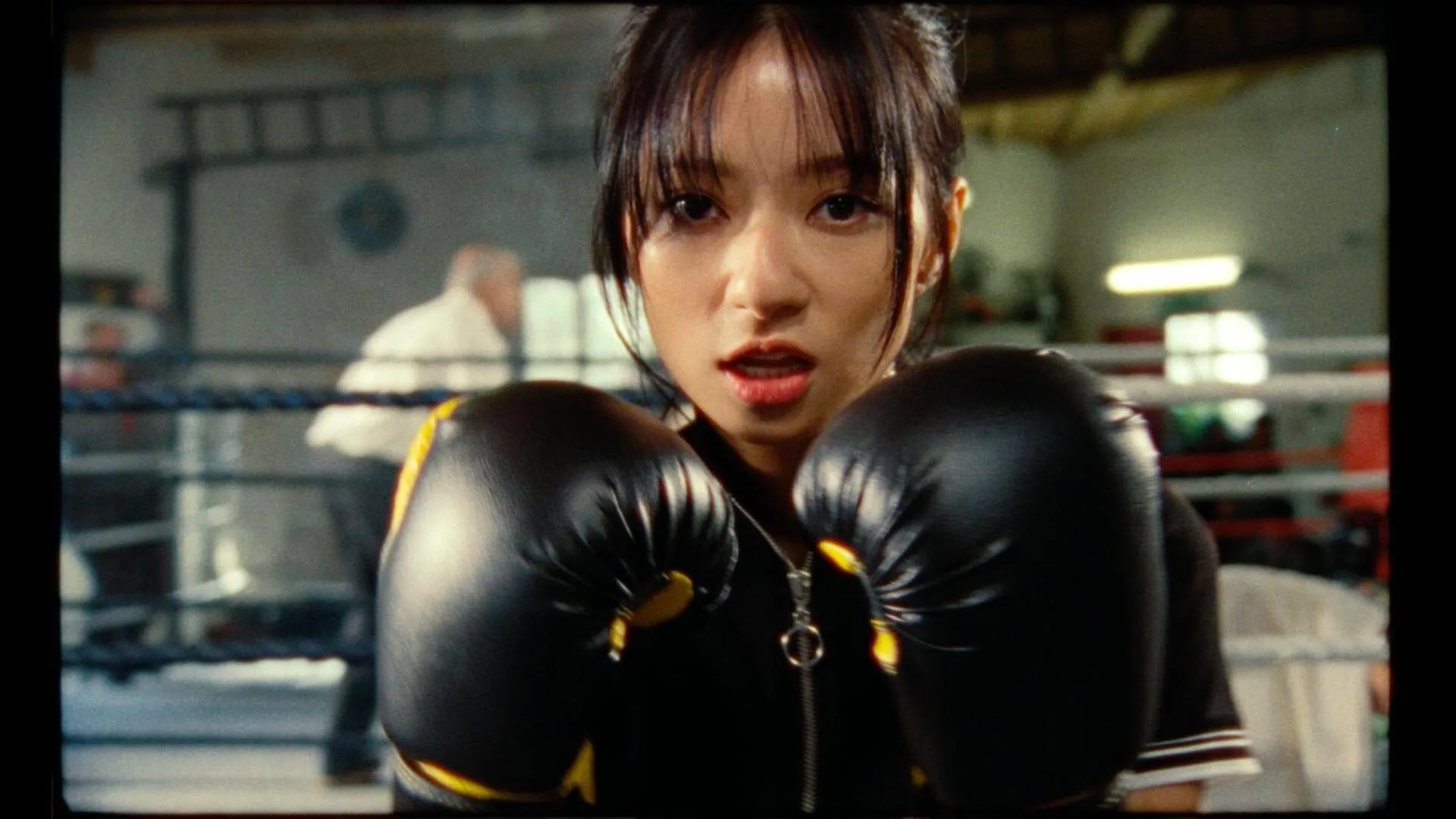
The track arrives alongside a stunning 16mm music video, filmed in London and inspired by Kill Bill — featuring martial arts choreography, boxing, and a visceral sword fight scene, all directed by @the11thgram. If you’ve ever wanted to scream your feelings out in a thunderstorm, this one’s for you.
We sat down with kayan to talk about turning pain into pop rock, working through grief with choreography, and learning to love her vulnerability.

‘Lost in the Rain’ feels like a storm of emotions — was there a specific moment post-breakup that pushed you to write this song?
From the start of my music career, the biggest inspiration always came from my love relationship. Love triggers my emotion the most and I can use it as a tool to create work. Each of the breakup had their own dedicated song. In ‘Lost in the Rain’, the moment that triggered me the week or two post-breakup, when I have been through the crying, panting stage, it landed to the stage where I feel angry and unreconciled.
I’m trying to find a reason for myself to get over this relationship and that this relationship is not worth for me to continue — also, of course, it’s for me to rant about the things that I been through during the relationship, something that I couldn’t when I was still in it. (Laughs) When I got the demo from my producer (Shimica), I fell in love with it instantly, and the pop rock elements are just perfect for me to release my anger out.
You mentioned this track came from a place you “couldn’t hide from.” How did translating those raw feelings into music help you heal?
Making music is a way for me release and relief, just like when you needed someone to talk to, you let it all out — all the emotions. My music is a diary, where the audience are in this with me, they alongside with me in this journey. It is a way to connect with my audience. Music is also a tool for me to heal and be direct with my emotion no matter if it's good or bad.

You initiated the breakup that sparked this song. Was it challenging to express heartbreak from the perspective of the one who walked away?
There’s a saying of “The person who ends things feel less pain.” I actually think it’s easy for me to write on this song because I am ranting about this relationship — I could write few more paragraph about it if it’s possible. (Laughs) But the part I think it’s challenging is turning that complexity into something universal.
When you’re the one who walks away, there’s guilt, doubt, and grief mixed together, and I wanted the song to capture that tension. It was less about "telling my side" and more about creating a space where anyone who’s ever had to make a hard decision in love could recognize themselves.
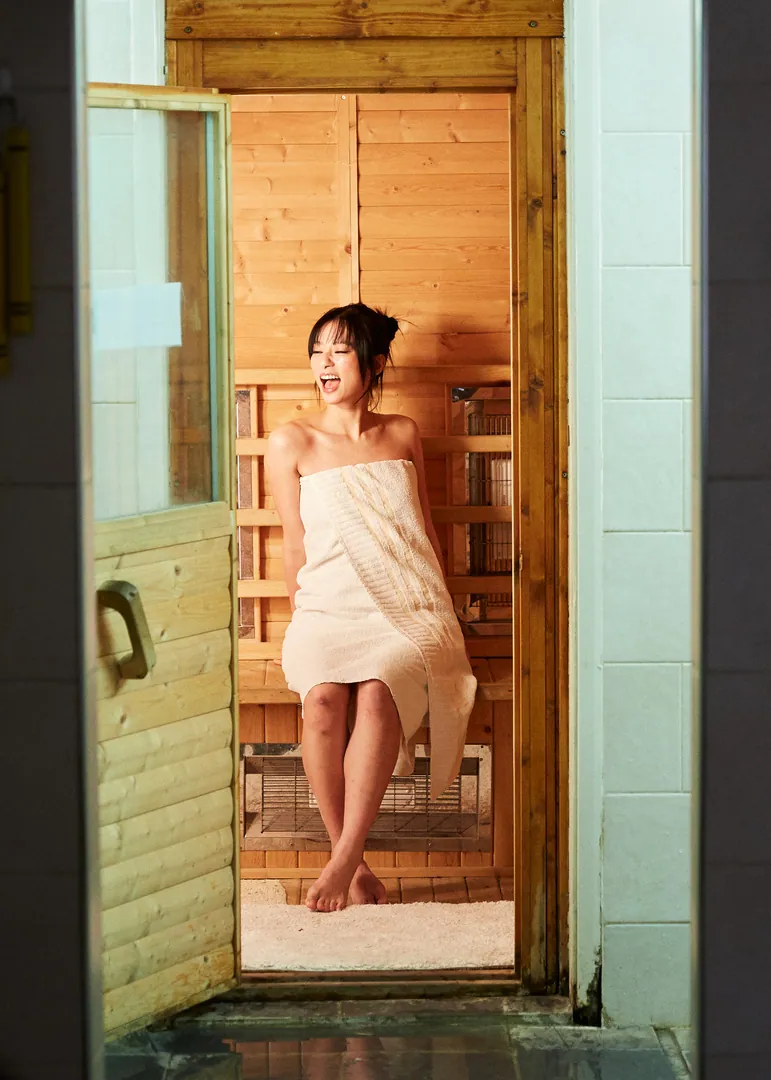
The visual direction for the music video is bold — from boxing to samurai sword fights. What inspired the Kill Bill vibe?
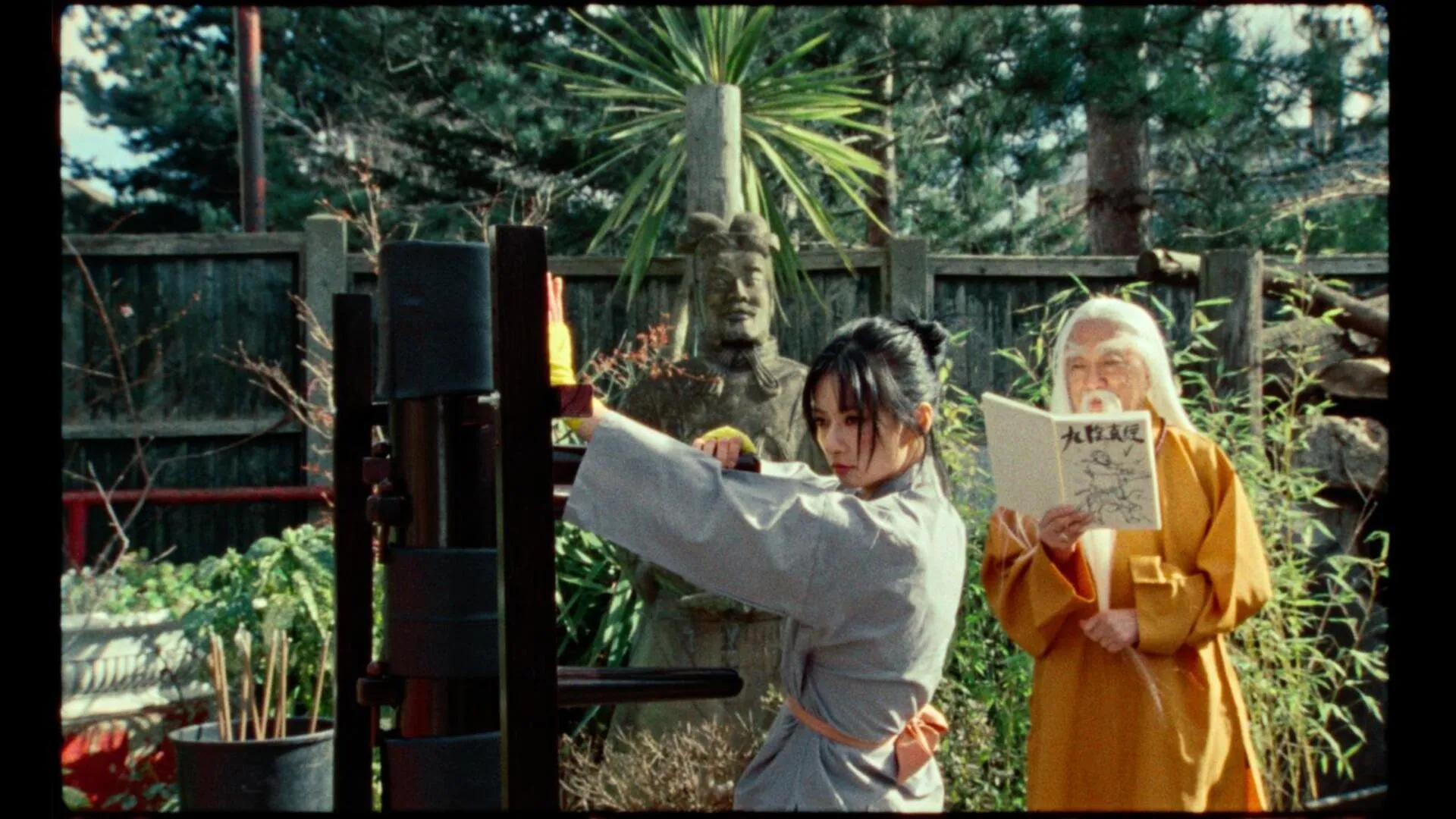
This is all director Max’s idea. I’m not good at visualizing sound when it comes to music videos. The team initially thinks the music video doesn’t necessarily have to fully match with the content of the song. So they came up with this idea of paying homage to Kill Bill. It was exciting to have a few martial arts scene in the video, which I had to train for. The video was also shot in film so I didn’t have much chance for retakes — that makes it more exciting as well.
Could you tell us a bit about the martial arts training you did prior to the shoot?
I’ve never got in touch with martial arts before the shoot, but when we did the two days training for it I actually got hooked into the sport. It is more about the mind than the body.

What was it like working with @the11thgram? Any behind-the-scenes moments from the London shoot you’ll never forget?
Obviously working with Max — arguably one of the most handsome directors in HK. The best moment of the shoot was the sword fighting scene, since it required special choreography. Honourable mention was the photo burning scene — it was the coldest day of the shoot.
What do you hope listeners feel after watching the music video — empowerment, catharsis, something else entirely?
I wanted to put Hong Kong on the map, as a city with a lot of talented creatives. We spent so much effort and love to the production and it shows. We hope the audience would love it as much as we do.

As a bilingual artist moving between English and Cantonese, what do you think each language lets you express best?
I often think in Cantonese but when it comes to writing I express best in English.
From ‘Not Too Close’ to ‘Lost in the Rain’, there’s a noticeable evolution in your storytelling. What’s one lesson about vulnerability you've learned through songwriting?
I used to think showing vulnerability is an act of weakness. As I grow older I’ve learnt to accept and express this vulnerability through my work, which then leads to me understand more about myself and be better. Vulnerability in work shows honesty and authenticity — audience can truly tell when a work is true to the artist.
Finally, your artistry spans music, acting, and comedy. How do these different expressions of self influence each other — or clash?
I used to think they all clash between each other. Being comedic will make me less “cool” in a sense. But then fast forward to now, I realized being “cool” is being true to myself. In terms of acting and music, they both compliment each other in a way. It’s a form of my creative expression.
-