

We’ve explored the expansive capabilities of AI throughout various applications time and time again, with its seemingly never-ending capabilities. One constantly controversial avenue where AI is seemingly frowned upon, discouraged, and even shunned is music. Using AI to generate entire verses of lyrics, when spending a bit more time during writing would infuse each line with emotional depth and rich perspective, music created by AI can often seem like a thoughtless recreation of whatever’s peaking on the charts at that time.
However, despite harsh criticism, there are some AI artists who have made their mark in the industry since the rise of AI. In this list, we take a look at six of the most prominent AI-powered or completely AI-generated artists. Explore their music, the controversies that some of these personas have sparked, and what the future of music may look like as the spark for connecting with your craft and heartfelt composing flickers desperately.
Noonoouri
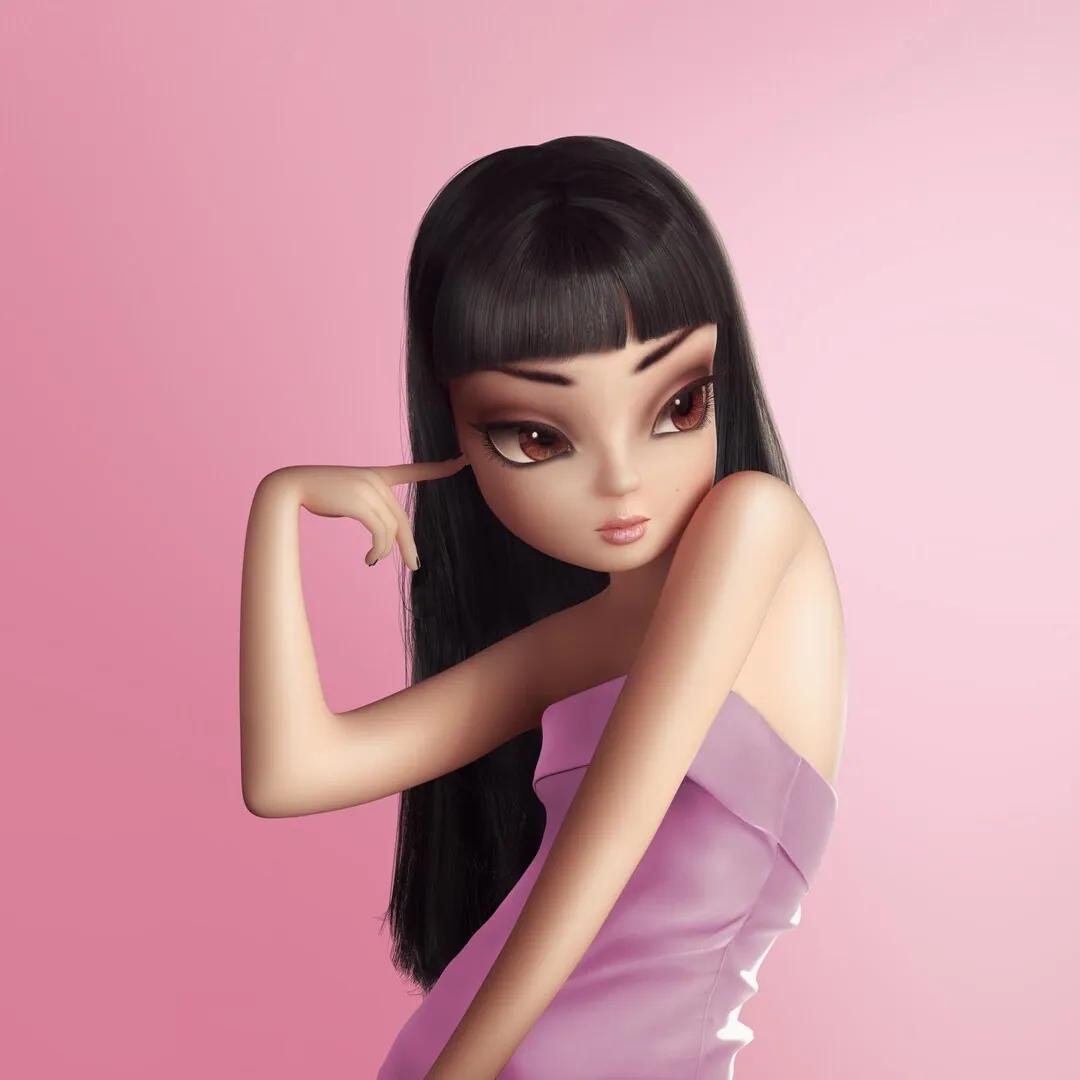
Meet Noonoouri, an AI-powered persona hailing from Munich, Germany. First breaking out onto the virtual influencer space in February 2018, her otherworldly cartoon-style appearance garnered the attention of thousands on the internet, leading her to be signed to the modelling agency IMG Models, which boasts an extensive roster including Gigi Hadid, Bella Hadid, and Precious Lee. Noonoouri is an advocate for sustainability despite her AI-dependent background. Known for her refusal to wear fur and her firm stand against it.
Beyond her strong advocacy and modelling work, Noonoouri also creates music. Following a similar influencer-to-musician pipeline, much like many human talents, Noonoouri signed with the prestigious Warner Records before the release of her debut single ‘DOMINOES’, which featured prominent German DJ Alle Farben as a collaborator. The track uses AI-assisted vocal synthesis, with Noonoouri’s singing voice being created through AI to mimic other mainstream voices in the industry. The techno-inspired dance music track infuses thumping bass with repetitive trumpet music, as it channels the energy of the perfect club banger. Noonoouri has also collaborated with artists like ENISA and Max and Harvey, putting her music on the map.
The Velvet Sundown
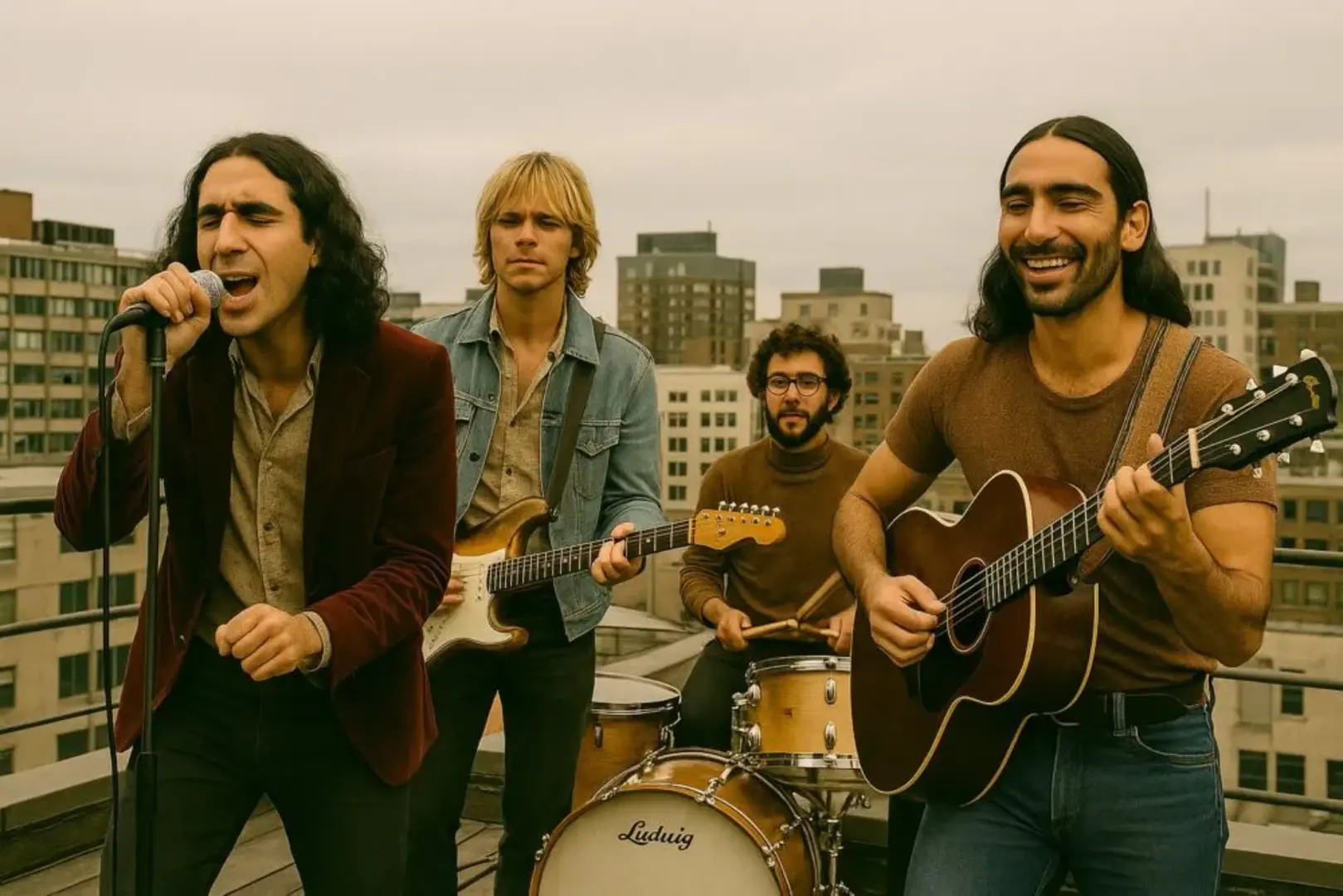
The Velvet Sundown sparked quite a controversy when they started gaining popularity, as the people behind them aimed to stay as elusive and mysterious as possible to draw more reactions from the public. They first came into the spotlight after releasing a triad of albums titled Paper Sun Rebellion, Dust and Silence, and Floating on Echos, all within the span of a few months. This crazy fast turnaround of music resulted in the band drawing over 1.4 million monthly listeners on Spotify.
However, it was revealed that all lyrics, vocals, and music are generated using artificial intelligence tools. After they received backlash from an interview where they denied any AI use in their creative process, they have since changed their Spotify bio to reflect the true nature of the project as a “Synthetic music project guided by human creative direction” and more of a social statement that “...challenges the boundaries of authorship, identity, and the future of music in the age of AI”. They have a ’70s slow southern rock sound that feels like it’s straight out of the old west. The ethics of the band’s practices, as they chose to leave the details of the AI use undisclosed, have been a big question that looms over the band’s discography.
Xania Monet
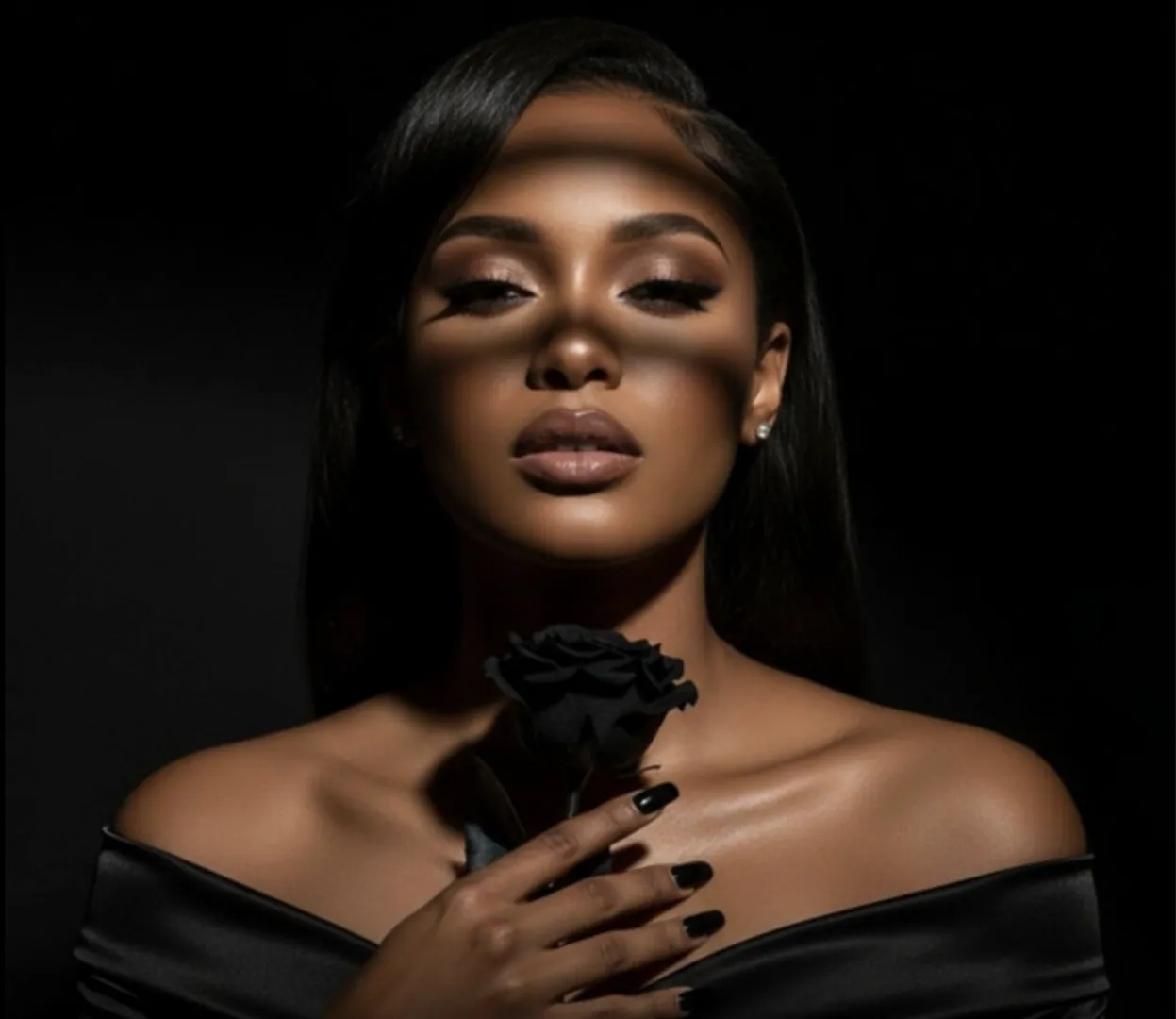
Xania Monet was one of the first AI artists who has appeared on at least five Billboard charts since she first debuted with her track ‘FORGET ME, TRYNA LOVE YOU’. Despite her tracks being inspired by the personal experiences of the woman behind the AI-generated persona, Telisha “Nikki” Jones, she uses Suno AI as the main tool when creating all of Xania Monet’s tracks.
Although she claims it’s just a tool that helps her bring her vision to life in an era where AI use is rapidly growing, many were shocked to find the heavy AI use that went into such heartfelt songs as ‘How Was I Supposed To Know?’, which drew from the experience Jones had when she lost her dad at just eight years old. However, Xania Monet’s music has drawn an influx of backlash from other major players in the industry, such as Kehlani, after Monet clinched a million-dollar recording deal with Hallwood Media. While she views AI as a tool, it sparks conversation as to the reason why she would need AI if it was not for reasons of simplifying or distilling her creative process further.
Wu Aihua
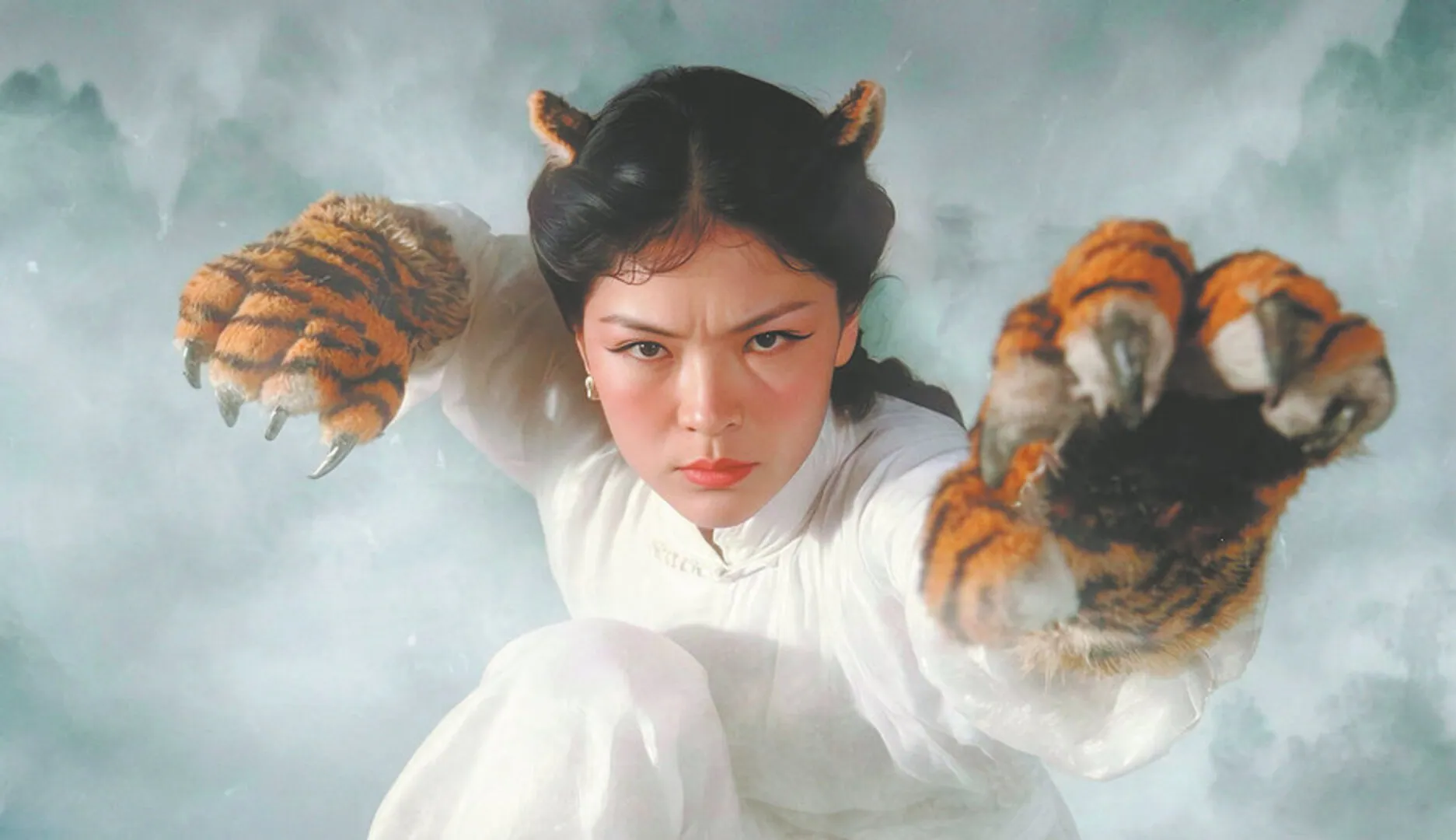
Warner Music China has introduced a virtual performer named Wu Aihua, developed with Chinese new-media artist Wu Zhiqi, and the project has already drawn major attention online. Her first music video, released on 12 January, passed 10 million views, with much of the interest driven by the contrast between her old-school visual identity and her more current club-oriented sound.
What makes Wu Aihua stand out is that the project does not lean fully on machine-made vocals. Her voice was manually refined by human producers, positioning the act as a hybrid creative build rather than a fully automated AI singer, while Warner Music China is also aiming for multilingual releases, international rollout, and cross-cultural collaborations as the project grows.
FN Meka
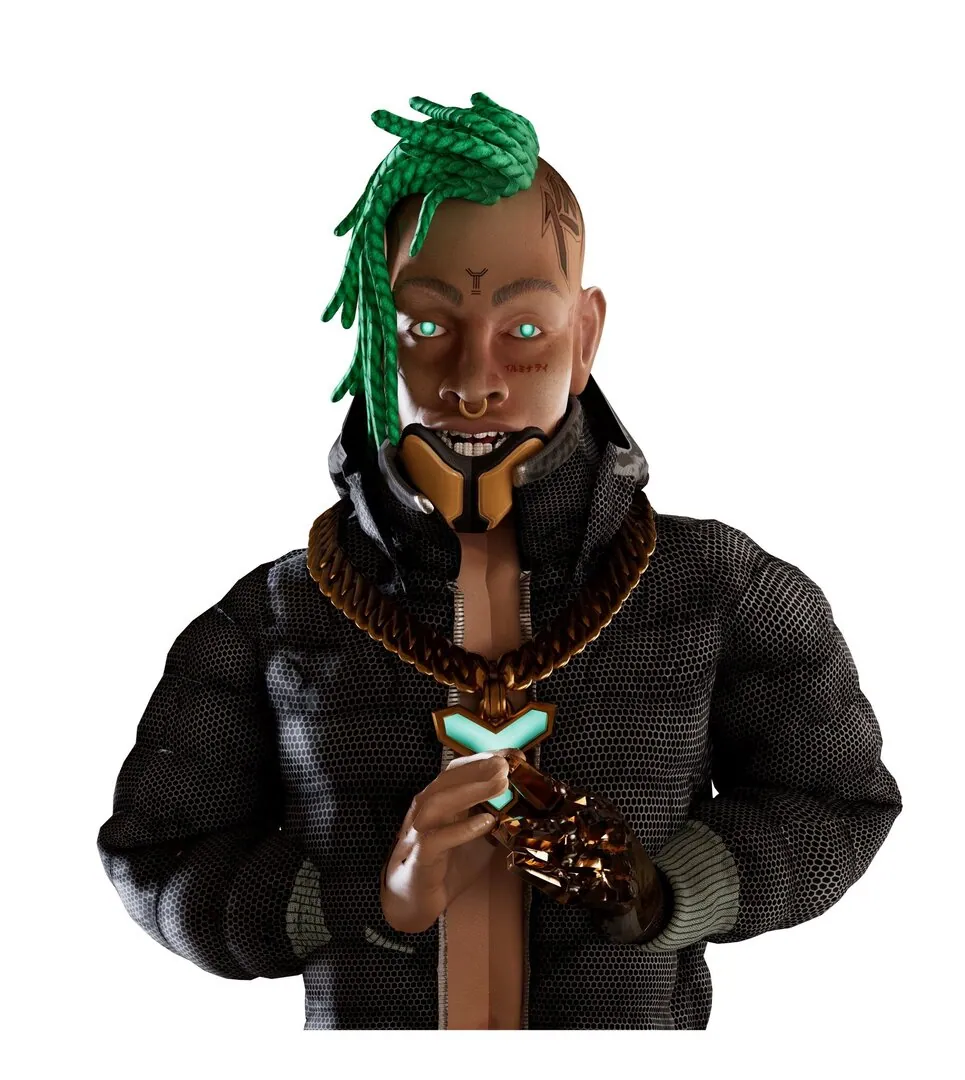
One of the most controversial artists on this list. He was flagged for cultural appropriation, leading him to be dropped from his record label, Capitol Music Group (CMG), back in 2022. The decision was made after his AI persona drew backlash for racially stereotyping Black culture with dreadlocks and grills. Capitol issued a statement saying "deepest apologies to the Black community for our insensitivity".
Another reason FN Meka was dropped from the label was for his repeated use of the N-slur. Black activist group Industry Blackout sent a letter directly addressed to CMG, calling them out for supporting such a deeply offensive artist who desecrates the significance and identity of Black culture in music. In their letter, they state that FN Meka is “a direct insult to the Black community and our culture" and "an amalgamation of gross stereotypes, appropriative mannerisms that derive from Black artists, complete with slurs infused in lyrics". With even more problematic collaborations with rapper Gunna, who is now serving time for saying such offensive words, the case only gets weaker for FN Meka. In a mix of insensitivity and heavy AI use, FN Meka has become one of the most notorious AI artists of our generation.
TaTa Taktumi
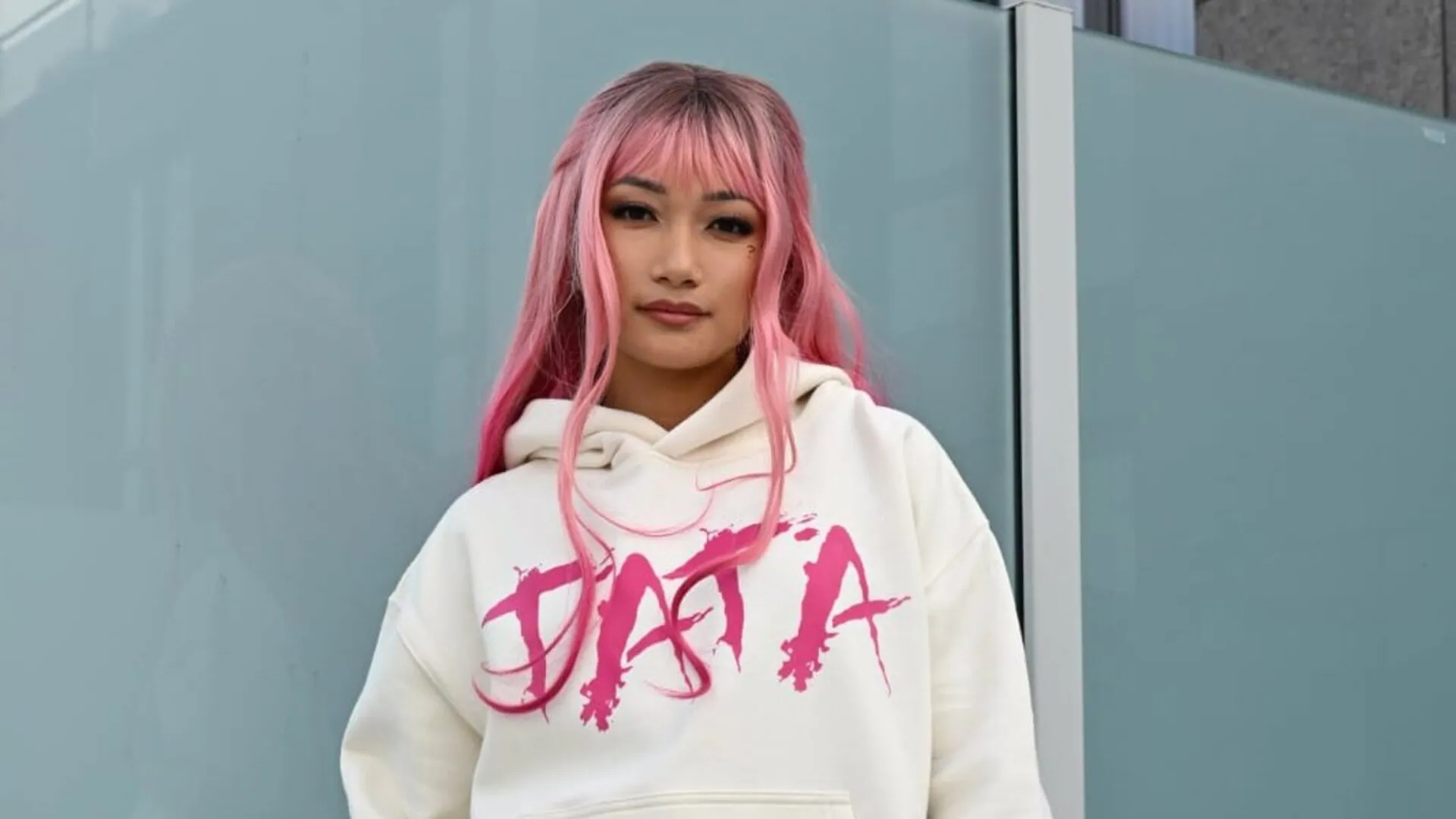
TaTa Taktumi was created by legendary hip-hop and R&B artist Timbaland in a partnership between him and Suno AI. She’s signed under Timbaland’s Stage Zero label, positioned as an “A-pop” or artificial pop artist. She first debuted with an electronic dance music track, ‘Pulse X Glitch’, which featured Timbaland as well. Her voice and the lyrics of the track are entirely AI-generated, which led netizens to interpret the music as lazy and soulless instead of the futuristic perspective that was initially aimed for.
TaTa Taktumi’s music feels like tasteless recreations of other songs that populate the hip-hop and electro-pop genre. Many were more upset by Timbaland’s response, saying that TaTa Taktumi was not meant to replace real human talent but was just an instrument to bring a vision to life.
Each of these six AI artists are signed to major labels or have gotten widespread recognition based on the music that they generate and publish for listeners worldwide. The biggest concern here is the ethical implications of giving an AI a record deal instead of a person who has worked for years writing about experiences that shaped them. Why don’t they deserve the production team and the budget to better their authentic craft?
The line between AI and human talent is beginning to fade, as all that is being focused on is the speed of creation. Most recently, this was proven during the Webby Awards, where Claude AI won the “Person Of The Year Award”. Many humans have made breakthrough advancements in their own avenues of work, including music, only to be overshadowed by AI just because it can do it faster. If we dig deeper to understand the core of music, it comes from a place of free expression, to process emotions and share them with others willing to listen. Music connects people, and using AI, even as a tool, might strip the song’s ability to establish that connection with listeners.
Like what you read? Show our writer some love!
-