
When seven-member PSYCHIC FEVER from EXILE TRIBE first crossed borders to bring their music to Southeast Asia, they stepped into a vibrant and diverse music landscape that challenged their preconceived notions. What began as a bold move following their debut has evolved into a deeper understanding of how Japanese artists can authentically connect with audiences across the region.
Rather than treating Southeast Asia as simply another stop on their touring schedule, PSYCHIC FEVER embraced local culture, learned on the ground, and immersed themselves in the region’s dynamic music ecosystem, experiences that have helped shape their growth as performers and artists.
Learning Southeast Asia from the ground up
Stepping onto Southeast Asian festival stages brought immediate revelations for the group, dissolving initial anxieties about their international reach. RYUSHIN admits that everything felt completely new at first, leading the group to wonder if people would show up or even know their songs.
“When we actually went there, we realised that so many of our assumptions were completely different from reality,” RYUSHIN recalls. “Seeing everyone singing along with us was something I’ll never forget.”
That willingness to learn has remained central to PSYCHIC FEVER’s approach. With every country comes a different music culture, festival atmosphere, and audience dynamic, requiring the group to adapt without losing its identity. TSURUGI notes that understanding these differences has become part of the experience itself.
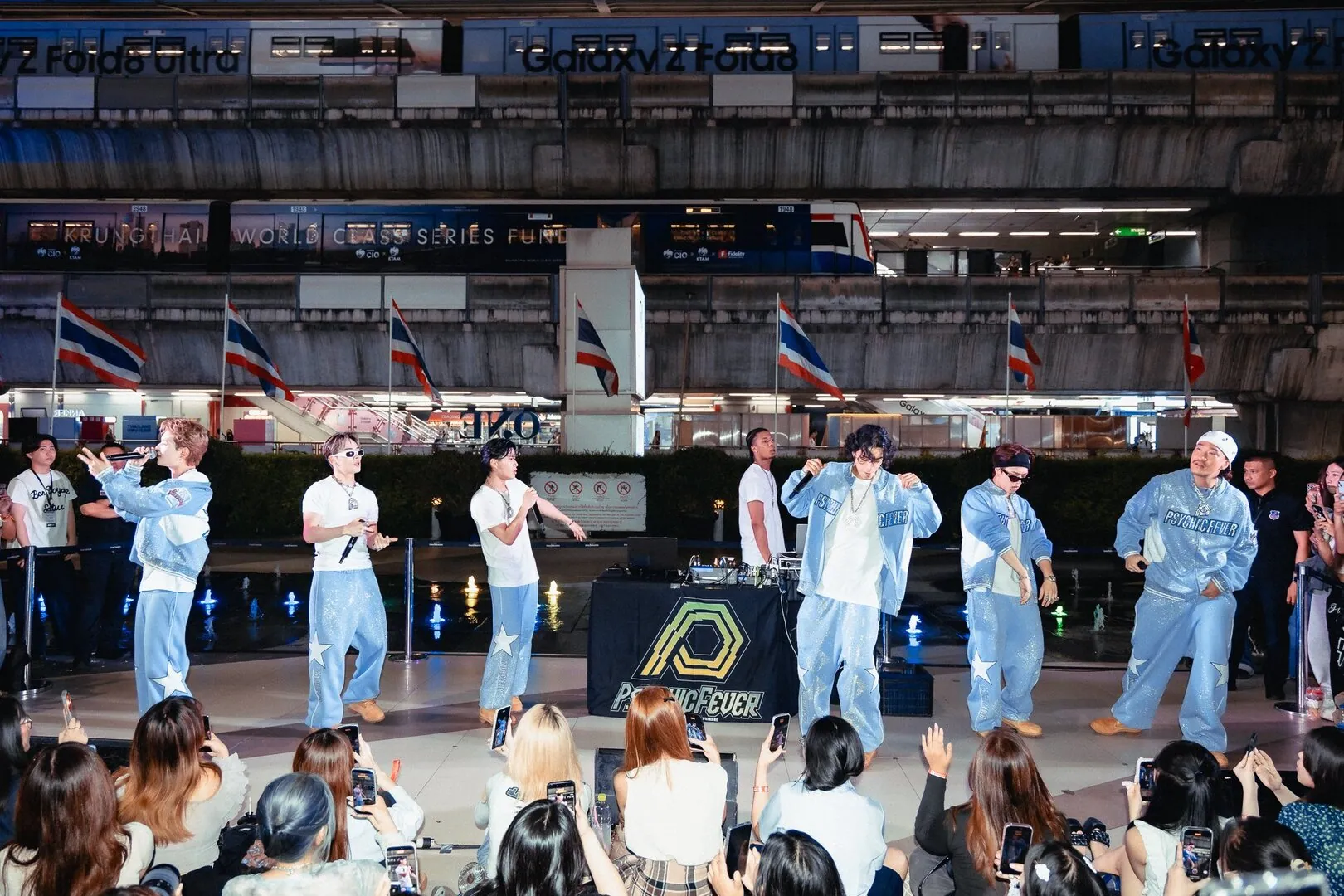
“Especially when it comes to festival culture in Southeast Asia, each country has its own characteristics, traditions, and things that are considered the norm,” TSURUGI explains.
For the group, connecting with audiences also happens beyond the music. In Vietnam, Malaysia, Singapore, Thailand, and other markets, PSYCHIC FEVER makes a deliberate effort to learn local phrases, trending expressions, and self-introductions before taking the stage.
REN says these preparations allow the members to communicate more of their personalities, while KOKORO sees them as an important way of strengthening their relationship with their global fanbase, ForEVER.
“We never know when we’ll have the chance to perform there again or see our fans in person next,” KOKORO says. “Above all, we want to do whatever we can to be close to and connected with the people in each country we visit.”
When the audience becomes part of the music
The relationship between PSYCHIC FEVER and its Southeast Asian audiences is far from one-way. Their experiences across the region have actively shaped how they perform, from adjusting setlists to responding to the distinct energy of each crowd.
RYUSHIN notes that the songs audiences respond to most can vary from country to country, encouraging the group to carefully consider how they build their performances for different markets.
That exchange has been particularly influential in Thailand and across regional showcases, where PSYCHIC FEVER gained extensive stage experience soon after their debut. For WEESA, those opportunities have become a significant part of the group’s artistic development.
“I think a lot of what we’ve learned and developed as performers has come from those experiences and what we’ve received from the audience on different stages,” WEESA shares.
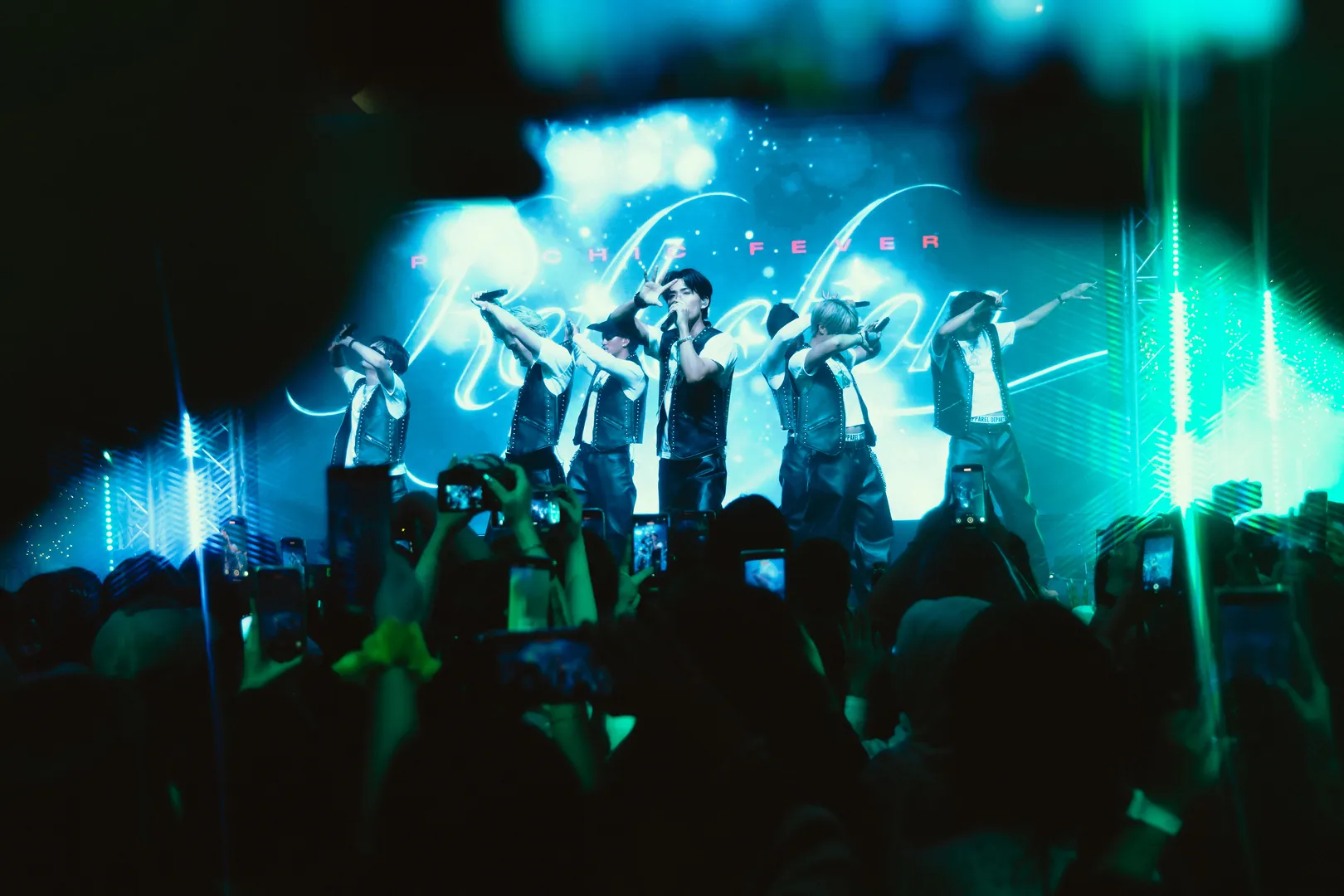
Their exposure to regional artists has also broadened their musical perspective. Festival appearances such as Music Matters Live in Singapore brought PSYCHIC FEVER alongside artists from across Asia and beyond, including Thai hip-hop artist MILLI and French beatbox crew Berywam.
WEESA, who lived in Thailand and followed MILLI’s music, praises her “incredible skills”, while REN, who incorporates beatboxing into his own performances, cites seeing Berywam live as a particularly memorable experience. These encounters have further fuelled the members’ interest in cross-border collaboration.
“I listened to MILLI’s music a lot when we were living in Thailand, so she’s an artist I’d really love to collaborate with someday,” REN says.
Finding J-pop’s place in a global soundscape
In a Southeast Asian music landscape where K-pop and Western pop have significant influence, PSYCHIC FEVER is carving out its own space through a distinctly contemporary take on J-pop, one that draws from Y2K aesthetics, R&B, hip-hop, and other global sounds while retaining the group’s Japanese identity.
That diversity is reflected in the seven members themselves. Each brings different musical influences and performance styles to the group, creating a sound that embraces individuality rather than conforming to a single genre.
“For us, the seven members all have different musical roots and different genres that we enjoy,” RYOGA explains. “Rather than trying to blend those differences into one uniform style, we make the most of each member’s individuality. That freedom of expression and ability to stay true to who you are are some of the things that make J-pop so appealing.”
Their aesthetic follows the same philosophy. Y2K-inspired visuals and styling meet the rhythm-driven influences of R&B and hip-hop, giving PSYCHIC FEVER a sound and image that feel both rooted in Japanese pop culture and in conversation with the wider global music landscape.
JIMMY similarly points to the distinct atmosphere surrounding Japanese music, from the renewed global interest in city pop to the incorporation of traditional Japanese sounds and samples. Rather than positioning J-pop in opposition to other global genres, the group sees its character and eclecticism as part of what allows it to contribute something different to the international music conversation.
That evolution comes into focus with DIFFERENT, PSYCHIC FEVER’s second album, released on 10 July. The 10-track project features nine new songs, reflecting the group’s evolving sound and the diverse influences that have shaped them.
In that sense, DIFFERENT is more than simply a new chapter in their discography. It captures an identity PSYCHIC FEVER has been building through years of performing across Japan and all over the world, confident in its Japanese roots, open to global influences, and unafraid to embrace what makes them different.
Towards a more connected Asian music scene
For PSYCHIC FEVER, their journey across Southeast Asia has demonstrated how quickly music can cross borders when artists are willing to listen as much as they perform.
“We’ve experienced firsthand how music can connect people beyond borders and language,” RYOGA says.
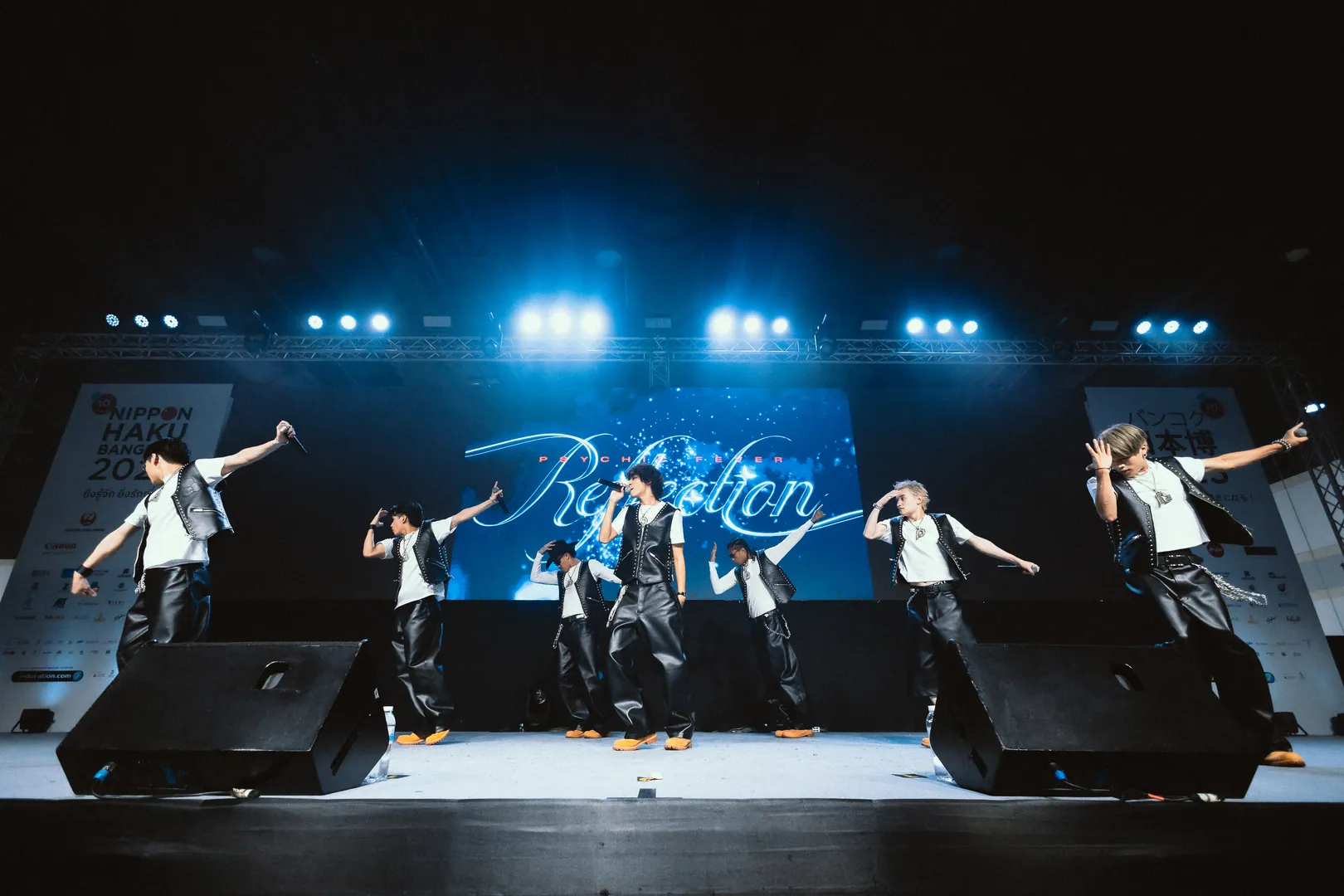
The members see their international growth as an opportunity to continue building those connections while developing their identity as a seven-member group. KOKORO emphasises the importance of steadily working towards their long-term goals while continuing to strengthen the chemistry that makes PSYCHIC FEVER unique.
As the group looks ahead, that regional perspective remains central to their ambitions. They hope to see music scenes around the world become increasingly connected, with artists and audiences discovering one another across cultural and geographic boundaries.
For PSYCHIC FEVER, Southeast Asia has become more than a destination. It has become a place of discovery, collaboration, and creative exchange, a space where the group has not only introduced its music to new audiences, but also found new influences, perspectives, and possibilities for where J-pop can go next.
Like what you read? Show our writer some love!
-