
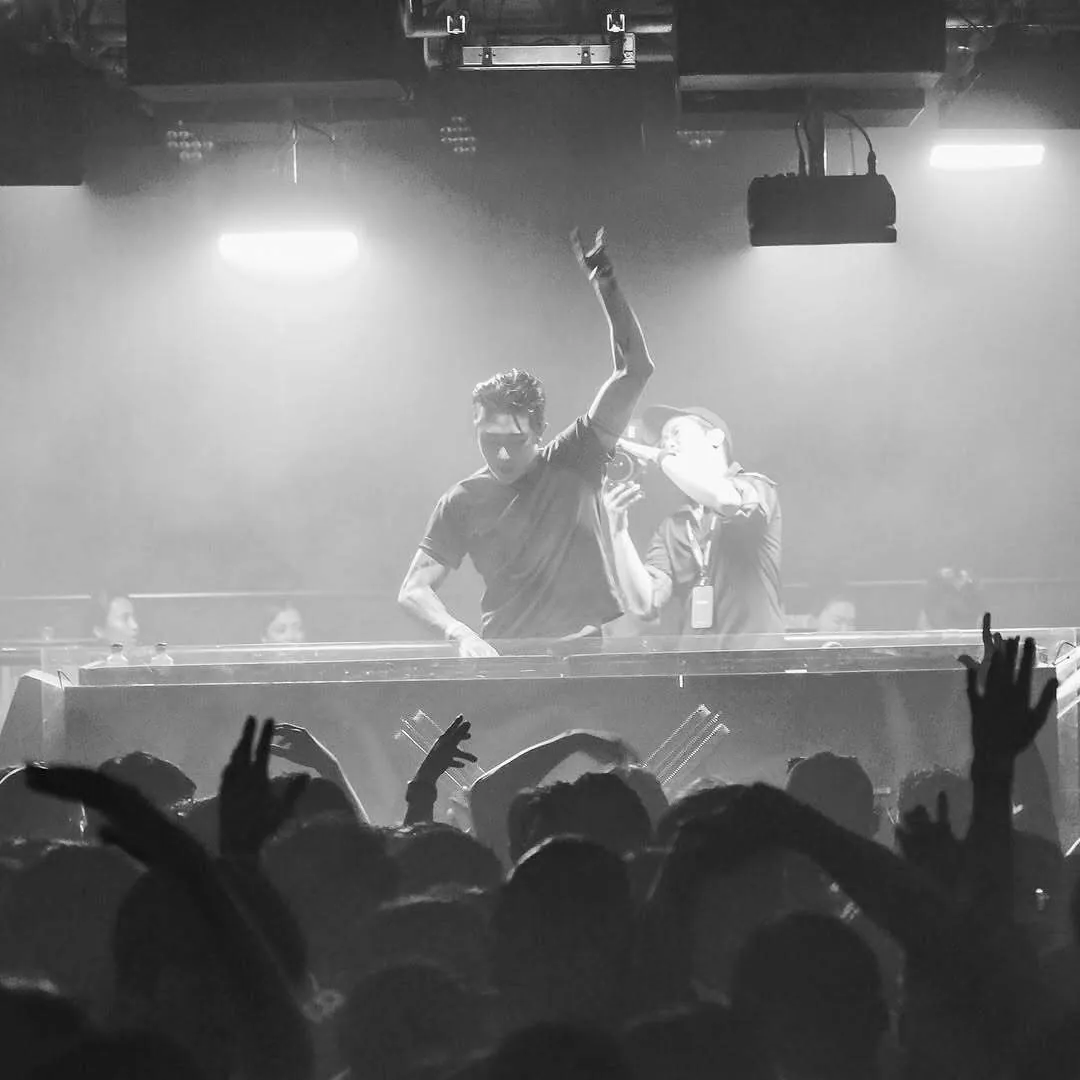
Ahead of his upcoming show at MARQUEE Singapore on 2 May, the dance music trailblazer spoke to Bandwagon about what it truly means to be DJ GLORY. He explores how his extensive roster of collaborations have shaped his artistic growth as he constantly pushes himself beyond his usual sonic boundaries, before diving into the unmistakable synergy of GLORY & VANDAL and how he dives into creating bolder experimental beats within the duo. Reflecting on his remarkable journey, we trace how he has evolved over the years, and what lies ahead for the ever-evolving artist.
View this post on Instagram
You’ve worked as a support DJ at major events in Korea for artists like Afrojack, Steve Aoki, and Alan Walker. What did you learn from those experiences?
The biggest thing I learned was how to control energy on a large stage and how to read the crowd. Each artist has their own way of building a set, so it made me realize how important it is to create moments, not just play music. I also experienced firsthand how important preparation and professionalism are behind the scenes. Through these experiences, I was able to support the main act while also developing my own identity as an artist.
You’ve been doing this for 15 years now. When you think about the DJ you wanted to be at the start versus the artist you are now, what has changed the most?
In the beginning, I just wanted to play good music and make people have fun. That was everything to me. But now, it’s more about becoming an artist with my own sound and identity, not just playing tracks. Over time, my perspective on music has changed a lot. I used to focus on individual tracks, but now I focus more on the overall flow and storytelling. Beyond performance, I also think more deeply about how I can connect with the crowd and what kind of emotions I can deliver through my music.
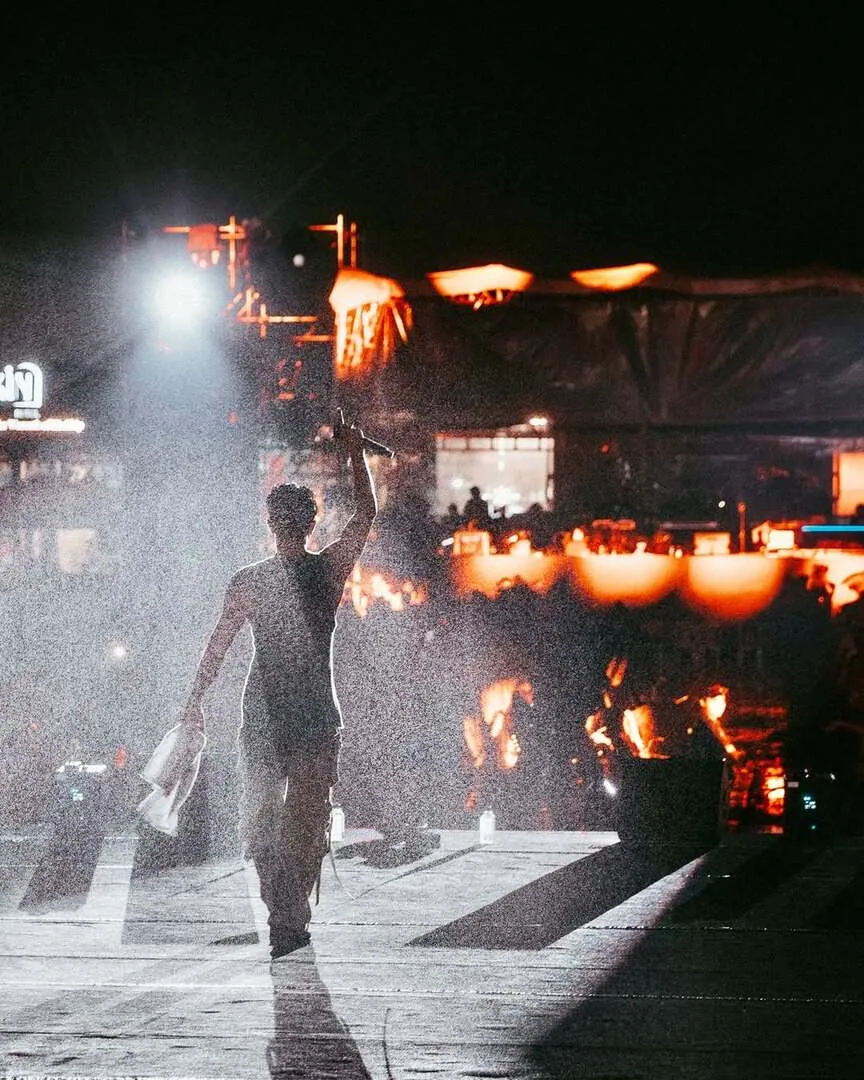
GLORY & VANDAL is a project between you and Vandal Rock. What does that duo format open up for you that feels different from what you do on your own as DJ GLORY?
I think GLORY & VANDAL creates a completely different kind of energy compared to performing solo. When I’m alone, my sound and direction are more defined, but as a duo, our styles blend and lead to more unexpected and fresh outcomes. Musically, it allows me to experiment with ideas I wouldn’t normally try on my own, and by exchanging feedback, we can create more refined results. On stage, the energy is amplified, which makes the connection with the crowd and the overall
impact much stronger.
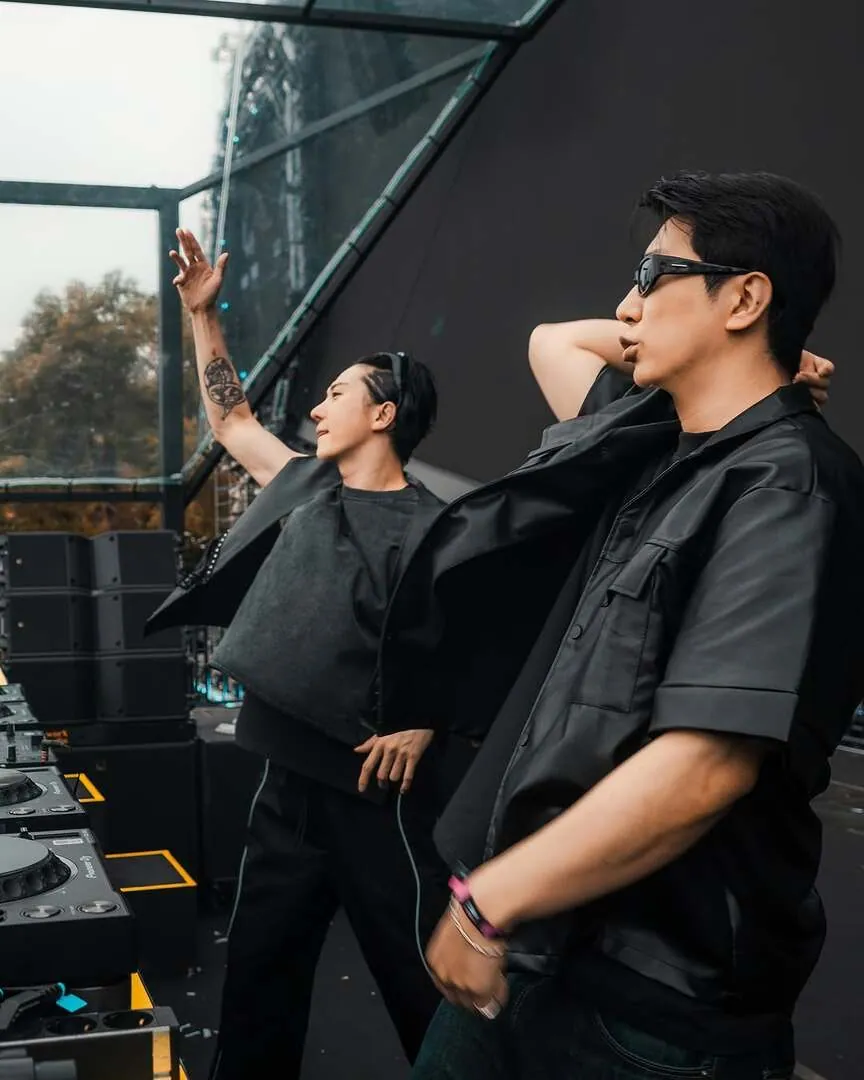
When you move between club sets and festival sets, what do you feel the biggest difference is?
I think the biggest difference is the approach to energy. In club sets, it’s important to communicate with the crowd in a detailed way, creating flow through quicker transitions and shorter phases. The ability to read the moment and adapt in real time is what makes club performances so special.
On the other hand, festivals have a different kind of energy, since many people come to enjoy EDM with an existing understanding of the music. Because of that, rather than relying on simple stimulation, I think it’s more important to focus on the direction of trending sounds and how you develop the genre-driven flow, while building an overall story throughout the set.
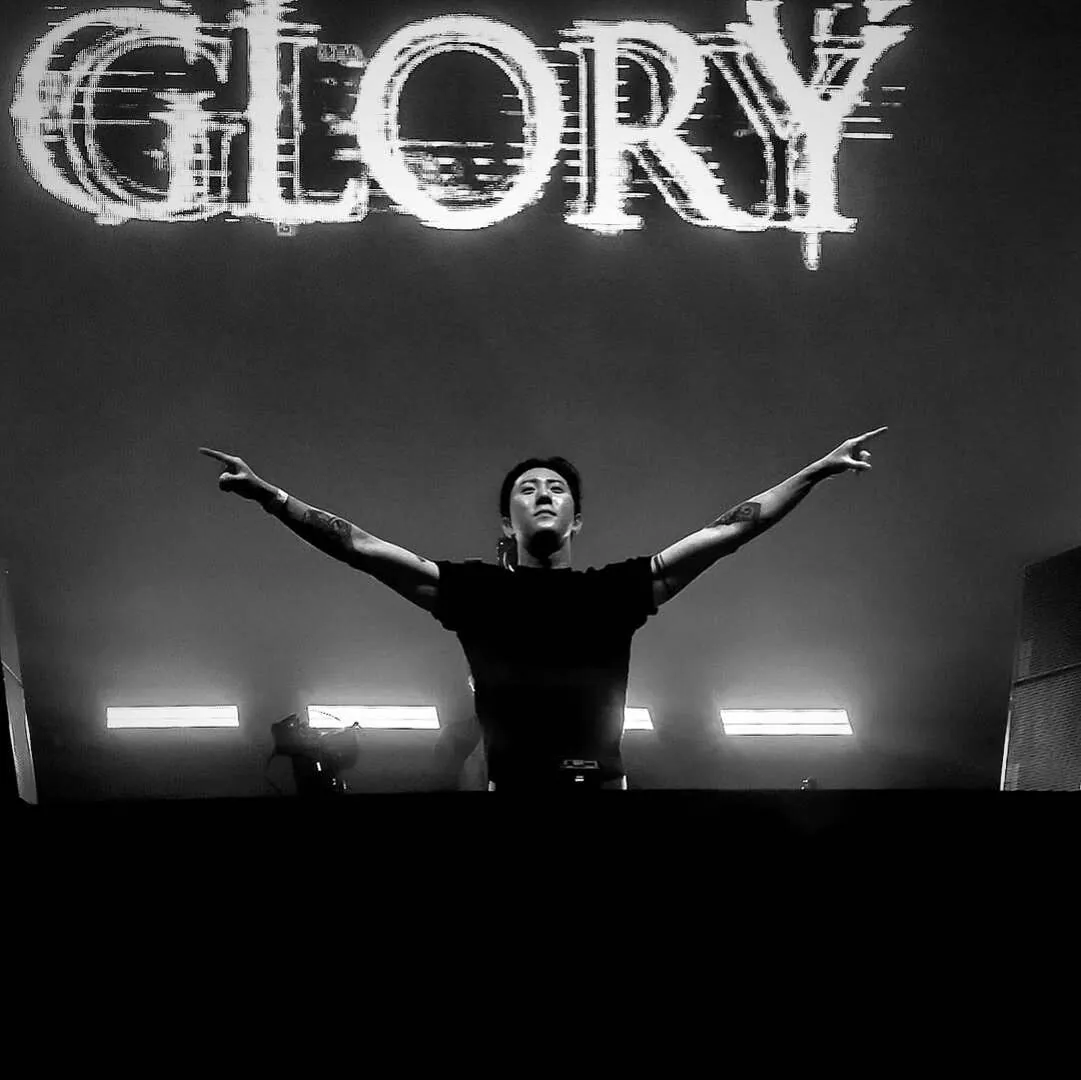
What are some other dance music genres you can see infusing and experimenting with for future release?
I want people to feel positive energy through my music. I try to put my own energy into my tracks so that listeners can feel it the moment they hear them. Lately, I’ve been focusing on hard techno releases, but I don’t want to limit myself to one genre. I want to keep exploring different styles. I’m more focused on creating new moods and textures within my own identity, and ultimately, I want to continue evolving in a way where people can feel that GLORY’s performances carry the energy of a
wide range of musical genres.
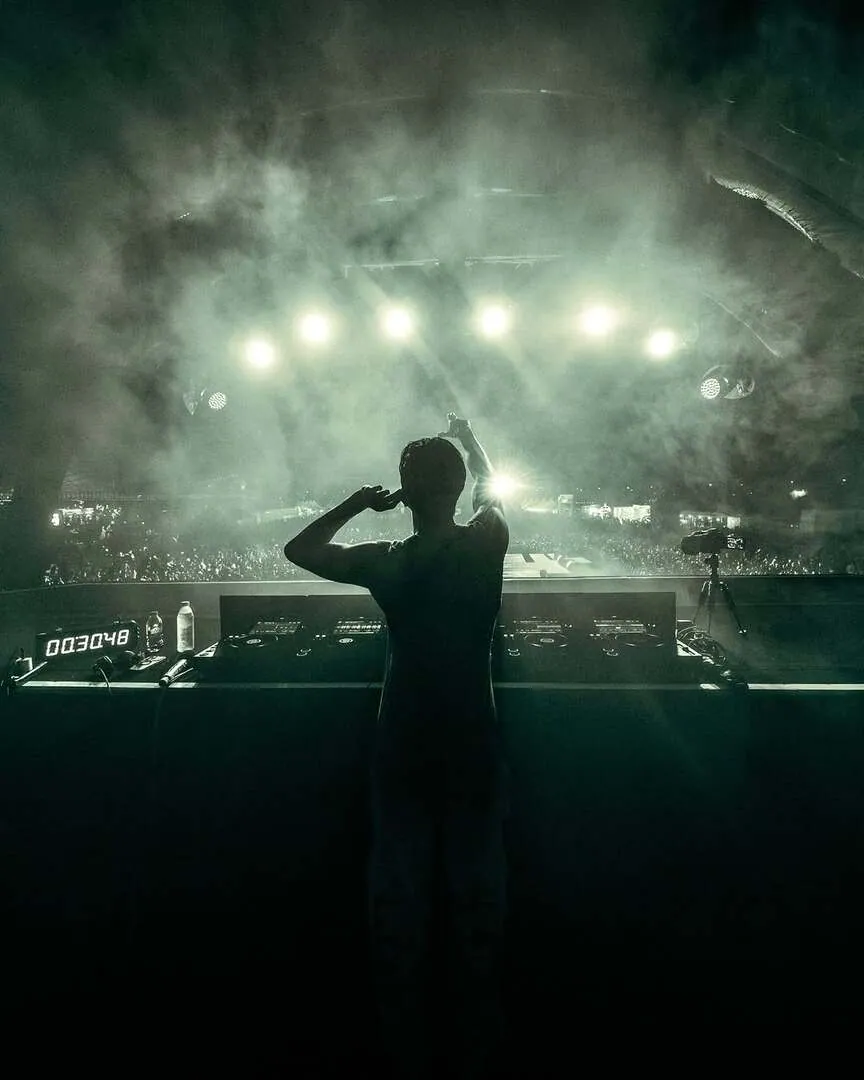
What does artistic growth look like for you in a scene that moves as quickly as dance music does?
I think growth as an artist can be seen in two ways, how you are perceived by the audience, and how you grow personally. I want to be remembered as an artist who can share positive energy, but also someone who has something unique that sets me apart. I’m still in the process of discovering that. In the end, I think growth as an artist is about building who you are as an artist, and becoming someone who can truly give good energy to the crowd.
If you had to capture your upcoming MARQUEE set in three words, what would you want them to be?
High energy, explosive, madness
What are you most looking forward to about performing in Singapore again?
What I’m most looking forward to is the energy and connection with the crowd. The fact that one of Asia’s leading clubs, MARQUEE, is in Singapore really shows how passionate and knowledgeable the audience is. That’s why the moments of exchanging energy on stage have always been very memorable for me, and I’m really excited to experience that atmosphere again.
What’s coming up next in your journey?
Moving forward, rather than just releasing more music, I want to focus on making the name “GLORY” feel like a form of energy. I want people to feel and remember that energy through my music and performances. At the same time, I’ll keep experimenting with new sounds and refining my identity, while sharing that energy with more people through my shows. Ultimately, I want “GLORY” to be experienced as something more than just a name.
Purchase tickets for DJ GLORY's showcase at MARQUEE Singapore here.
Like what you read? Show our writer some love!
1