
Yuuki Yoshiyama remembers booking Tiësto for a rented warehouse in Osaka around the turn of the millennium. The room held about 2,000 people. “It’s a legendary night,” he told Bandwagon. The Dutch DJ went on to play Electric Daisy Carnival Japan (EDC Japan) in 2019 and GMO SONIC in 2026. Yoshiyama helped produce both festivals. Ask him what has changed since Osaka, though, and the first thing he mentions is the crowd.
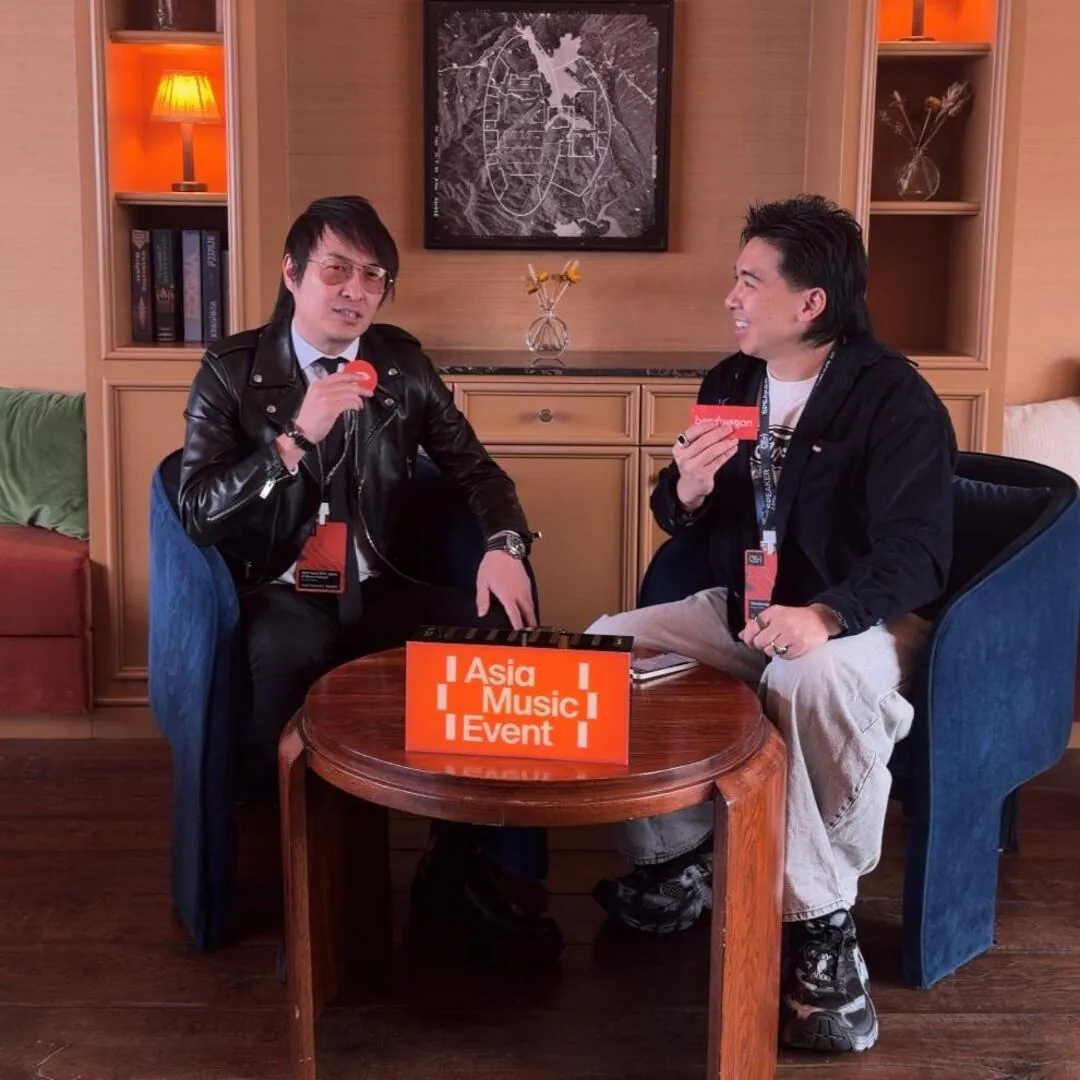
“Right now, people’s expectation is more experience-driven,” said Yoshiyama, GMO SONIC’s executive producer. Speaking at the inaugural Asia Music Event at Soho House Hong Kong, he recalled a time when landing a big DJ could all but sell a show. These days, he also thinks about what fans will find when they step away from the stage.
View this post on Instagram
How an internet company got into dance music
Yoshiyama started DJing and promoting club nights in 1996. Alongside music, he worked in telecommunications and went on to establish Hybrid Consulting, a firm whose work ranges from management consulting to event production. Those two sides of his working life came together when GMO Internet Group founder Masatoshi Kumagai approached him about using dance music to introduce more people to the company.
GMO teamed up with US promoter Insomniac to bring Electric Daisy Carnival to Japan in 2017. After three editions of EDC Japan, Yoshiyama and his colleagues wanted a festival of their own. GMO SONIC debuted in 2023 with a bill that put LE SSERAFIM and JO1 on the same weekend as Marshmello and Armin van Buuren. GMO Internet Group and Creativeman Productions co-present the festival. Yoshiyama says GMO sets the booking and marketing strategy, while Creativeman’s work includes stage production and lighting.
What fans take home
One party Yoshiyama follows closely is Spain’s elrow. What sticks with him is the confetti, the elaborate sets and the way elrow gives its own DJs a following. Fans can recognise the party before they know who is playing. “We should benchmark their strategy, I think,” he said.
View this post on Instagram
At GMO SONIC, his team puts some of that thinking into the food and art installations. Fans have their own ideas about what makes an edition memorable, too. Among the most popular pieces of merchandise, Yoshiyama said, are the towels and the T-shirts with the full line-up printed on the back. Some fans pick up a new one every year. Even at a festival built around the whole weekend, the names on the poster are worth taking home.
Giving people more to do costs money. Artist fees and production bills have risen, Yoshiyama said, while fans in Japan have plenty of ways to spend a limited entertainment budget. An artist such as David Guetta can draw fans to a standalone show. A festival asking those same people to commit to a weekend has to think carefully about what else their ticket buys them.
GMO has some room to experiment. Sponsors help pay for the festival, and the internet group measures part of its return in how many people get to know its name. For a promoter whose income depends on ticket sales, Yoshiyama acknowledged, the calculation looks different.
A return to Saitama, and an idea for the mountains
GMO SONIC’s fifth edition takes place on 3 and 4 April 2027 at GMO ARENA saitama. It is a homecoming for the festival, which held its first edition in the same building when it was known as Saitama Super Arena. The April shows will mark its reopening after renovations, under GMO’s naming-rights agreement.
View this post on Instagram
Away from the arena, Yoshiyama has another setting in mind. As director of lifestyle and experience at Singapore-based investment firm Patience Capital Group, he works on projects that bring food, fashion and music into mountain destinations where people already go to ski and snowboard. Could he see himself putting on a winter music festival there?
“Yes. That’s part of the plan. Definitely, why not?” he said. For now, the mountain festival is an idea. Saitama is the date for the diary.
Like what you read? Show our writer some love!
-