Charlene Soo has been steadily carving out her own space in screen music, moving between orchestral scoring, electronic textures, and melody-led writing with a storyteller’s instinct. The Singapore-born, Los Angeles-based media composer and singer-songwriter has earned recognition from the Music+Sound Awards, ScoreLive London, and the European Recording Orchestra Call for Scores, while working across film, games, and interactive media.
View this post on Instagram
A graduate of the University of Southern California’s Screen Scoring master’s programme, Charlene’s path into film composition has taken her across Liverpool, Australia, and Los Angeles. Her recent credits include Aftershock, a space documentary scored with a 59-piece orchestra in Budapest and studio musicians in Los Angeles, the upcoming feature Meeting Marsha, and work in the music department for Honor of Kings. She is also lead composer on projects such as Goldie, a horror/thriller set in a 1930s travelling circus, and Forget Me Not, a sci-fi film exploring memory, identity, grief, and loss.
In this interview, Charlene talks about beginning as a pop and EDM songwriter, discovering the emotional power of John Williams, building musical worlds for horror and dystopian storytelling, and what young Singaporean composers can learn from writing to picture.
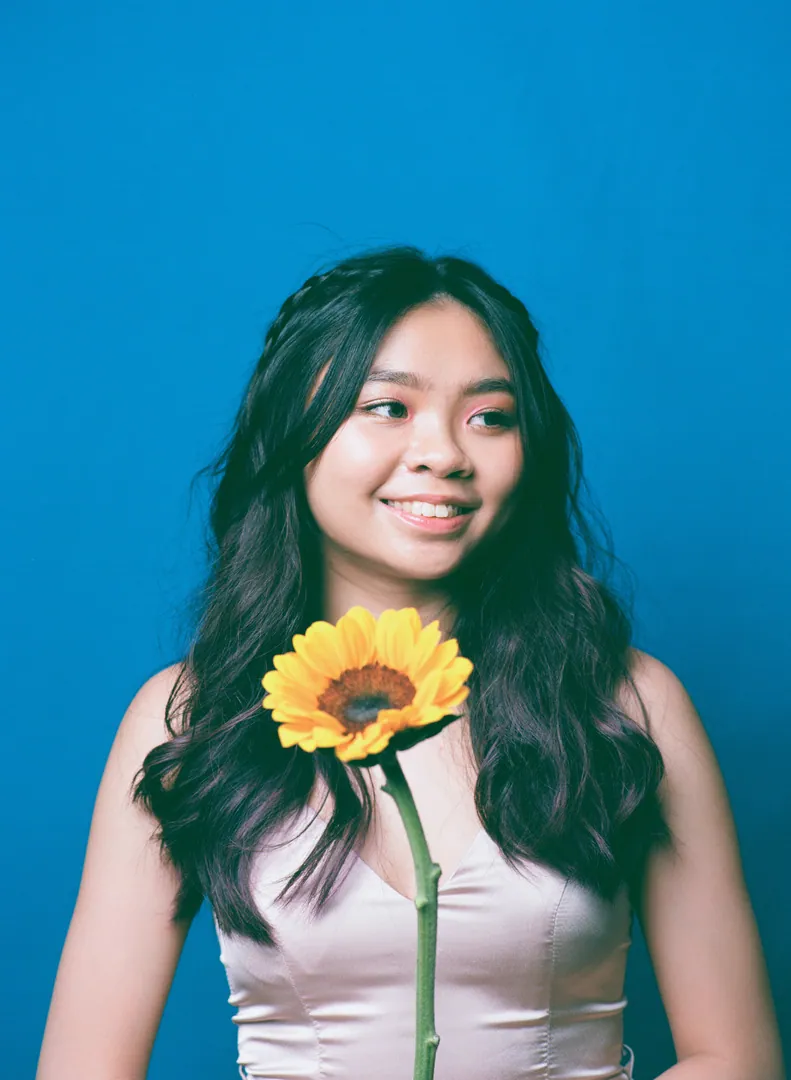
You began as a singer-songwriter before moving into film scoring. Could you tell us a bit about the music you made back then?
Before film scoring, I wrote pop and EDM music — and still do! My songwriting journey began when I collaborated with an EDM producer on one of his tracks as a vocalist. He then asked if I could write a topline melody over it, and even though I had never written anything before, I took a leap of faith and said yes — and the rest is history!
I slowly started making my own beats, both more EDM-inspired and pop-inspired, and writing melodies and lyrics. I really fell in love with the art of it. I even took a creative writing class so I could get better at writing lyrics!
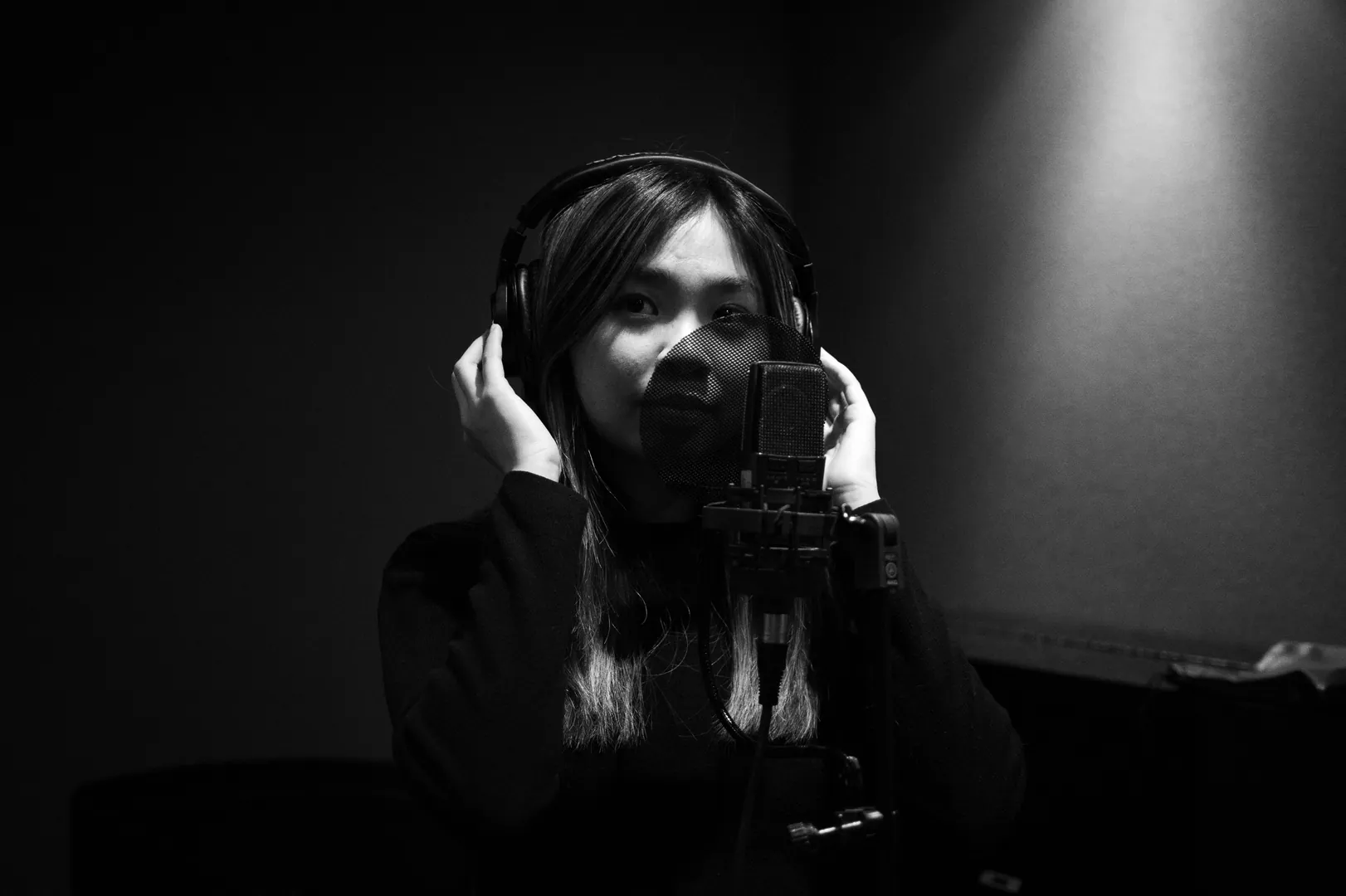
Your path into film scoring wasn’t a straight line. When did film scoring start to feel like the path you wanted to pursue seriously?
When I realised all the possibilities and musical diversity film music has to offer. It was this medium where I could not only draw from my songwriting roots, but also explore a completely different world of writing music that I hadn’t previously explored.
Even now, as I’ve worked on several feature films, I realise that there is still so much more to explore musically, and there is still so much I can learn — which is something I find really exciting. It keeps me constantly learning, growing, and pushing myself in ways I hadn’t experienced before, not just as a musician but also as a person.
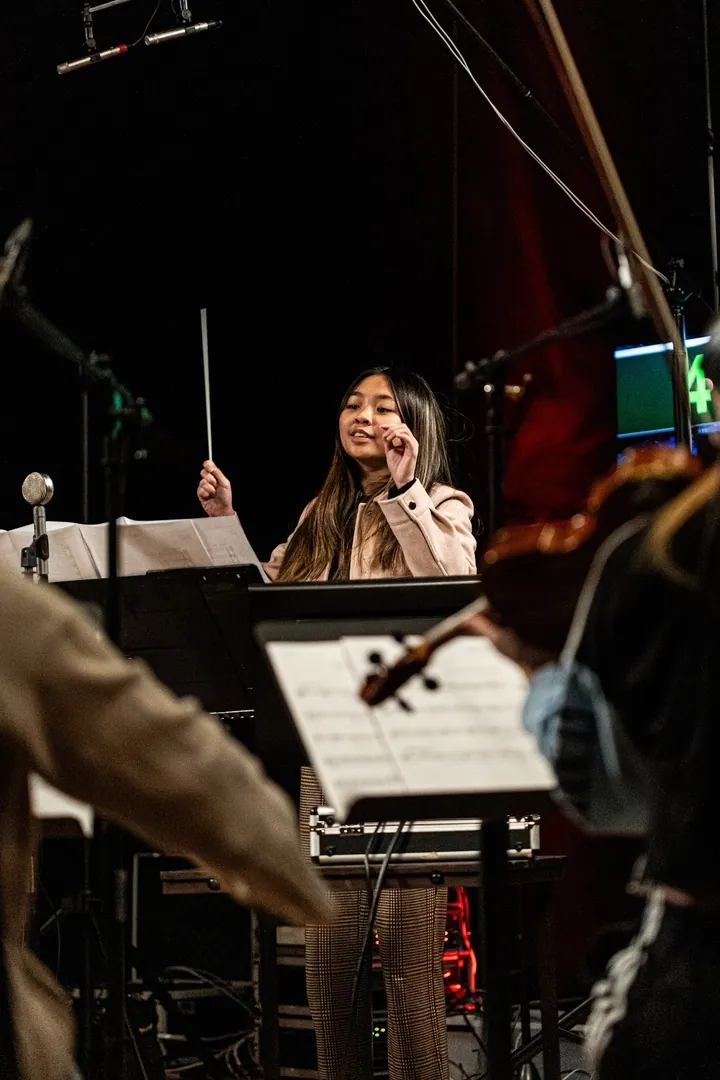
Was there a particular score, film, or composer that first made you aware of the emotional power of film music?
The theme from Jurassic Park by my musical hero, John Williams. I heard it as a child and I’ve not been the same since. It also made me realise how powerful thematic writing is, and how a strong melody can instantly transport you into a world and stay with you long after the film ends. I think that early experience really shaped the kind of composer I wanted to become.
When you first receive a film, where do you begin? With the characters, the visuals, the script, the director’s references, or something more instinctive?
I always watch the film first, and something usually comes to mind — whether it’s a theme, a musical direction, or even just the seed of an idea. I also try to have a conversation with the director before I start working on it, so I can get a better sense of what they’re envisioning for the sonic world of the film. There’s always something interesting in the film — whether it’s the story, the characters, the cinematography, or even the world-building — that I can draw from musically.
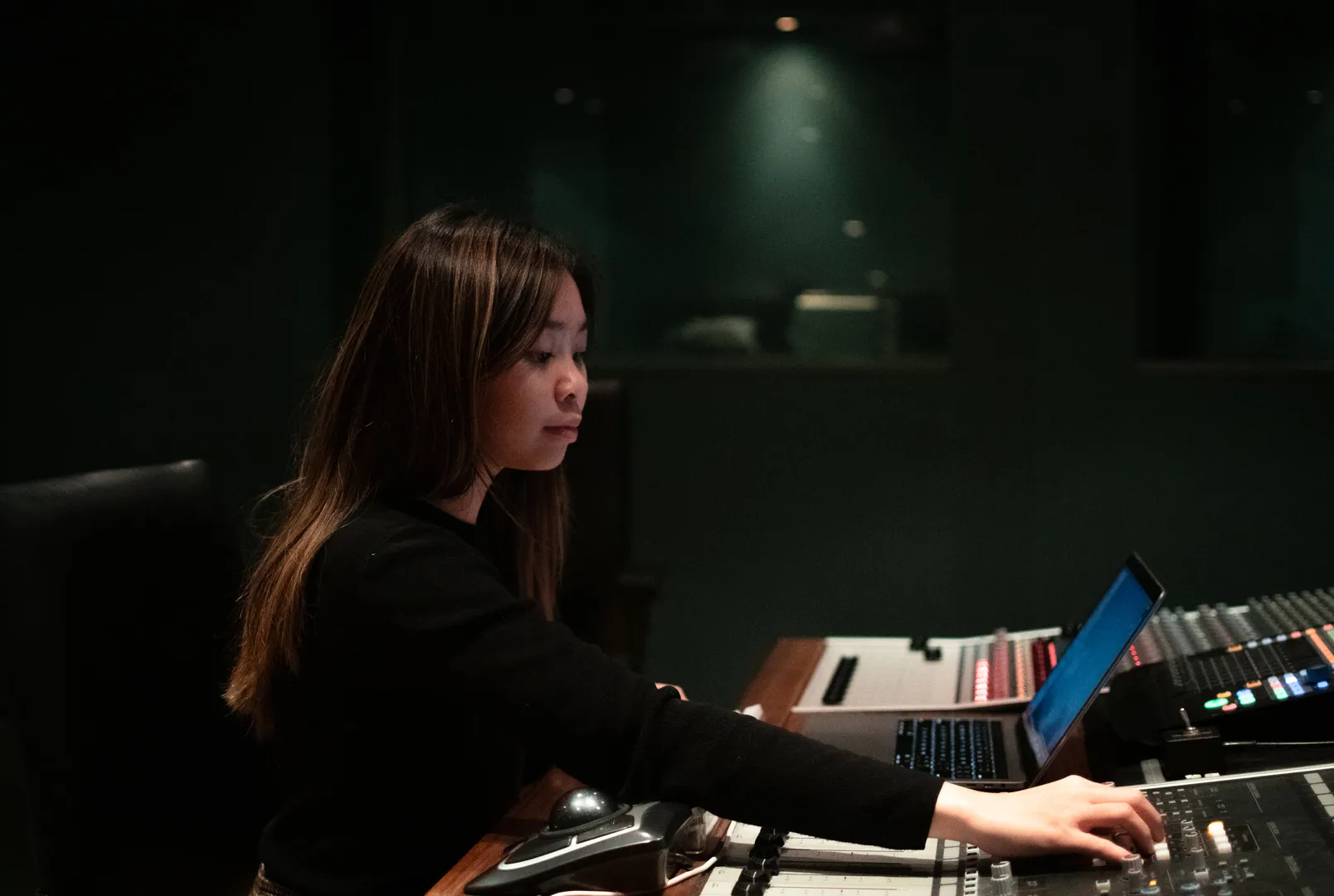
How do you decide when a scene needs music, and when silence is more powerful?
This is one of the things I rely on my instincts for, but we also always do a spotting session with the director where we make those decisions together and try out different ideas. Even after I’ve composed the score, we sometimes still make changes — adding silence where there was originally music, or bringing music in where there was none — if it works better dramatically.
It’s also always really helpful to have an outside perspective on this, because sometimes when you’ve worked on a particular scene for too long, you lose objectivity, and having a fresh pair of eyes and ears can really clarify whether the scene benefits from music or silence.
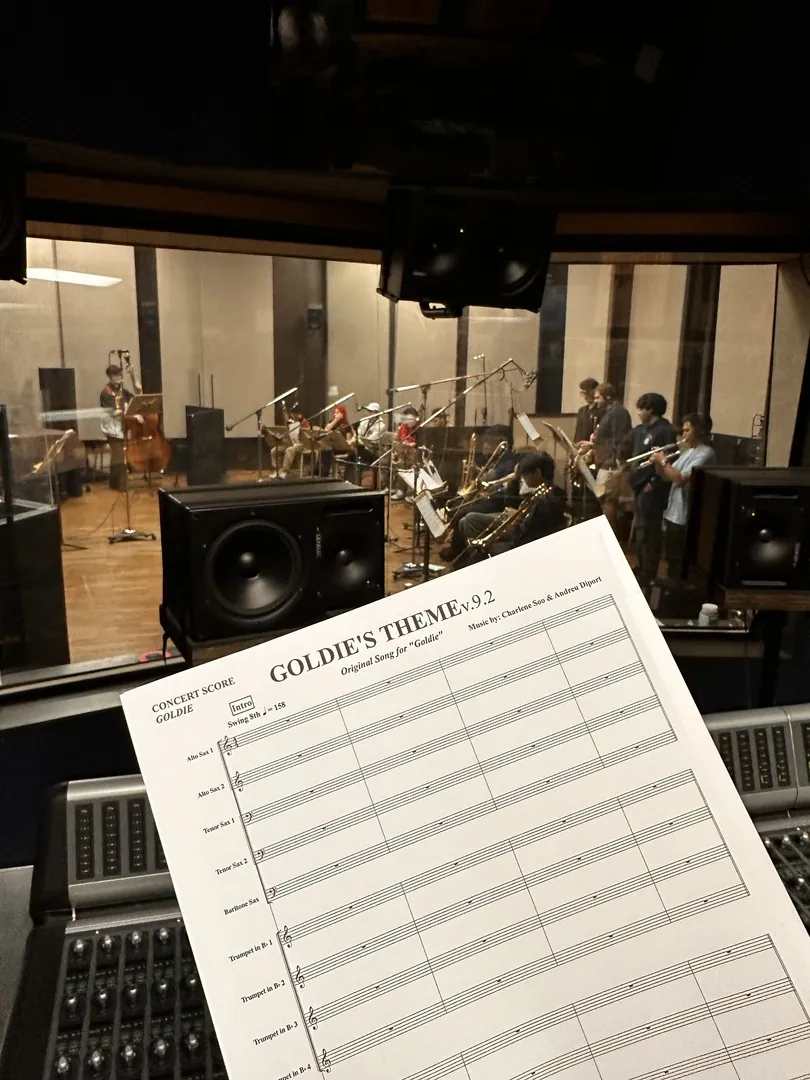
Goldie is a horror/thriller set in a 1930s travelling circus, with this world of spectacle, performance, and psychological unravelling. What kind of musical language did that setting open up for you?
Goldie was a really interesting project because we got to explore a musical style that’s not commonly used in film — ragtime — for Goldie’s theme. But at the same time, it had to sit within a horror/thriller world, which created a really interesting contrast.
That tension between something playful, and something darker and more psychologically unstable was at the core of the score. Balancing all the different elements we had — the hybrid, tense underscore layered underneath dialogue, and a big band ragtime piece that was recorded live — was a really exciting challenge. It was about finding a way for those worlds to coexist without one undermining the other, so the music could still feel evocative of the period and theatrical, while gradually revealing the psychological unease underneath.
For Forget Me Not, which deals with grief, memory, and the artificial suppression of feeling, how did you use sound to separate the film’s cold dystopian world from its more human emotional core?
For Forget Me Not, I used a hybrid electroacoustic approach to develop a sonic soundscape that reflects the complexity of both the film’s cold dystopian technological world and its human emotional core. In the scenes where the dystopian world is most present, electronic elements like synths were used to enhance the feeling of coldness and emotional distance. For the more human and emotional scenes and themes, we recorded live violin and cello to bring warmth and emotional depth into the score. There are still subtle pad textures in the more human scenes to maintain cohesion across the score, but the emotionality and sense of humanity come primarily from the live performances of the acoustic instruments.
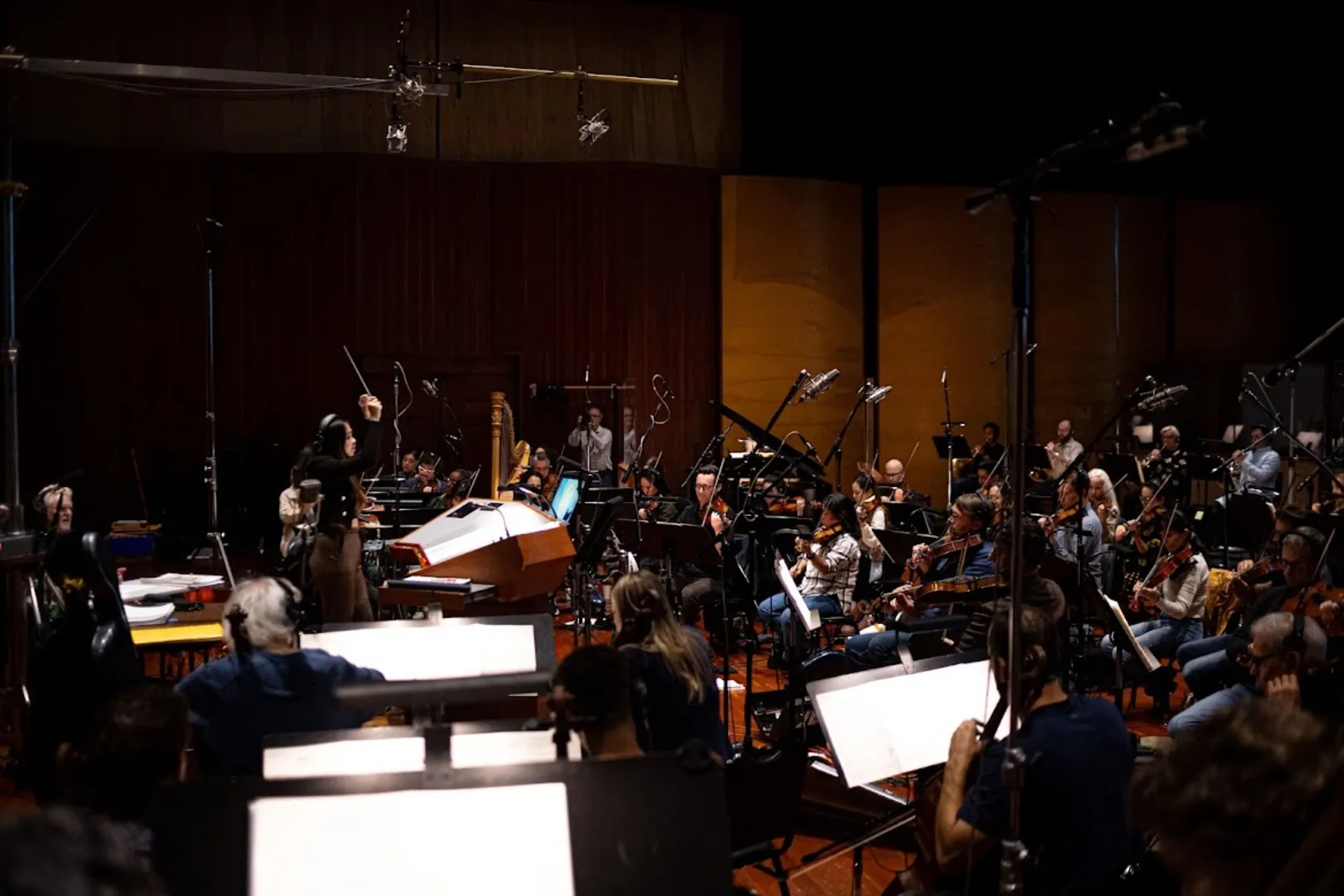
You are also attached to an upcoming feature collaboration with Morgan Krantz. What can you share about the musical world you are building for that?
I’m not sure how much I can share, but I can say that the music we’re writing features a full orchestral score, and we’re working with the Budapest Scoring Orchestra on it — which is always exciting!
What advice would you give to a young Singaporean musician who loves film music but has no idea where to begin?
I would say definitely expand your compositional toolkit and try to write different styles of music. Listen to the old masters of composition and orchestration — there’s a lot to learn from them musically — but also make sure to listen to a wide range of repertoire across different genres and styles.
At the same time, start writing as much as you can, and musically analyse as many films as you can! Even if it’s re-scores, short films, or joining a competition, the most important thing is developing the habit of writing to picture, and learning how music can support story and emotion.
Finally, is there a dream project, genre, or filmmaker you hope to work with one day?
It’s always been a dream of mine to work on films in the fantasy genre — anything with dragons! Recently, I watched Curry Barker’s Obsession and Kane Parsons’ Backrooms, and I think they’re really exciting filmmakers doing great work with whom I would love to work.
Like what you read? Show our writer some love!
-