In music, the distance between making a good song and building a sustainable career around it can feel impossibly wide.
There are releases to plan, rights to understand, platforms to navigate, and collaborators to find. There are gigs to book, invoices to chase, audiences to cultivate, and decisions about when — or whether — to bring in a manager, label, publisher, or distributor. For independent artists, much of this knowledge is still acquired piecemeal, often through trial and error.
View this post on Instagram
Established by the National Arts Council in 2019, the Arts Resource Hub (ARH) was created to help self-employed persons in the arts develop their practices, unlock opportunities, and build meaningful careers. Its support extends across the practical realities of creative work, from legal and financial guidance to wellbeing resources, career coaching, mentorship, affordable workspaces, and community-building programmes.
Initiatives such as Kopi with Kheng, developed with actress Tan Kheng Hua, have brought industry professionals together to discuss subjects essential to sustaining a creative career, including financial planning and long-term security. Its IGNITE Mentorship and Coaching for Creatives programmes have similarly offered practitioners structured guidance as they navigate their professional development.
View this post on Instagram
Within that wider ecosystem, ARH co-developed and delivered SOUNDCHECK: Real Talk for the Realistic Music Creative with producer Evan Low. The five-part monthly panel series was designed to give emerging and mid-career independent music creatives grounded, actionable perspectives on the realities of building a career in Singapore.
Held from 20 March to 17 July at Arts Resource Hub @ 42 Waterloo Street, SOUNDCHECK brought established artists and industry practitioners into conversation with musicians still finding their footing. Hosted and moderated by Low, each session addressed a different part of the journey, from building a local community to assembling the team behind a release.
View this post on Instagram
The result was not a blueprint for success. It was something more useful: a shared space to talk honestly about what a music career actually requires.
Across the series, glamour was largely beside the point. The conversations focused on the work that allows music to travel: relationship-building, audience development, financial planning, publishing administration, release strategy, and the slow process of figuring out where an artist fits within an ecosystem.
The first session, Gigging and Building A Local Community, featured Tim De Cotta, Aarika Lee, and Krysta Joy. Together, they explored Singapore’s gig circuit, working with venues and promoters, and the importance of building an audience that extends beyond a single performance.
View this post on Instagram
These concerns may sound elementary until an artist has to face them in practice. A live set is not only a performance. It is also a negotiation with a venue, a collaboration with technicians and fellow musicians, an exercise in promotion, and an opportunity to turn casual listeners into a returning community.
Session 2, Winning on Online Platforms & in the Press, shifted the conversation from physical spaces to digital ones. Marian Carmel, deførmed, and Wax Guitar Services discussed how artists could choose platforms suited to their work, build a recognisable identity, and position themselves to be discovered.
View this post on Instagram
In an era when musicians are repeatedly told to “post more”, the panel addressed a more useful question: what is all that posting supposed to achieve?
Visibility alone is not a strategy. An artist can be active everywhere and still struggle to communicate what makes their work distinct. By focusing on audience understanding, personal branding, platform choice, and press positioning, the panel treated online presence as an extension of an artist’s creative identity rather than a demand for endless content.
View this post on Instagram
The series widened its scope during Session 3, Beyond The Stage - Building Sustainable Portfolio Careers. With Dru Chen, Samuel Wong, and Estelle Fly, the discussion examined how musicians in Singapore actually make a living, how they can diversify their income, and how they might establish longer-term creative and financial direction.
For many independent creatives, a sustainable career does not resemble a single full-time job. It can be assembled from performance, production, teaching, composition, session work, content creation, consulting, and other adjacent opportunities. Rather than framing this as a compromise, the panel considered how those different forms of work could support an artist’s larger practice.
View this post on Instagram
That conversation led naturally into Session 4, Making Money and Understanding Publishing, Royalties & Sync. Featuring Kevin Foo, Gregory Tan, and Daina Ariffin, the panel tackled publishing rights, song ownership, royalty systems, sync licensing, and the ways music can continue earning after its initial release.
For artists focused on finishing and releasing songs, the administrative life of music can remain hazy. Yet questions of ownership and attribution can shape a track’s future long after it goes online. Who controls the composition? How are royalties collected? What happens when a song is placed in a film, television series, trailer, advertisement, or game?
View this post on Instagram
By bringing these topics into an open discussion, SOUNDCHECK treated business knowledge as part of an artist’s creative independence rather than something separate from it.
The series concluded with Building Your Team - How To Launch Your Own Music, featuring Jocelle Koh, Ian Lee, Benjamin Kheng, and Charlie Lim. The panel looked beyond the song itself to examine the people and planning required to help it reach an audience.
Not every artist needs the same team, and not every collaborator needs to arrive at the same stage. A manager may be invaluable for one project and premature for another. A label can offer infrastructure, while independence may provide greater flexibility. Producers, distributors, publicists, visual creatives, and booking agents all serve different purposes.
The harder question is not simply who should be on an artist’s team, but when their involvement becomes useful.
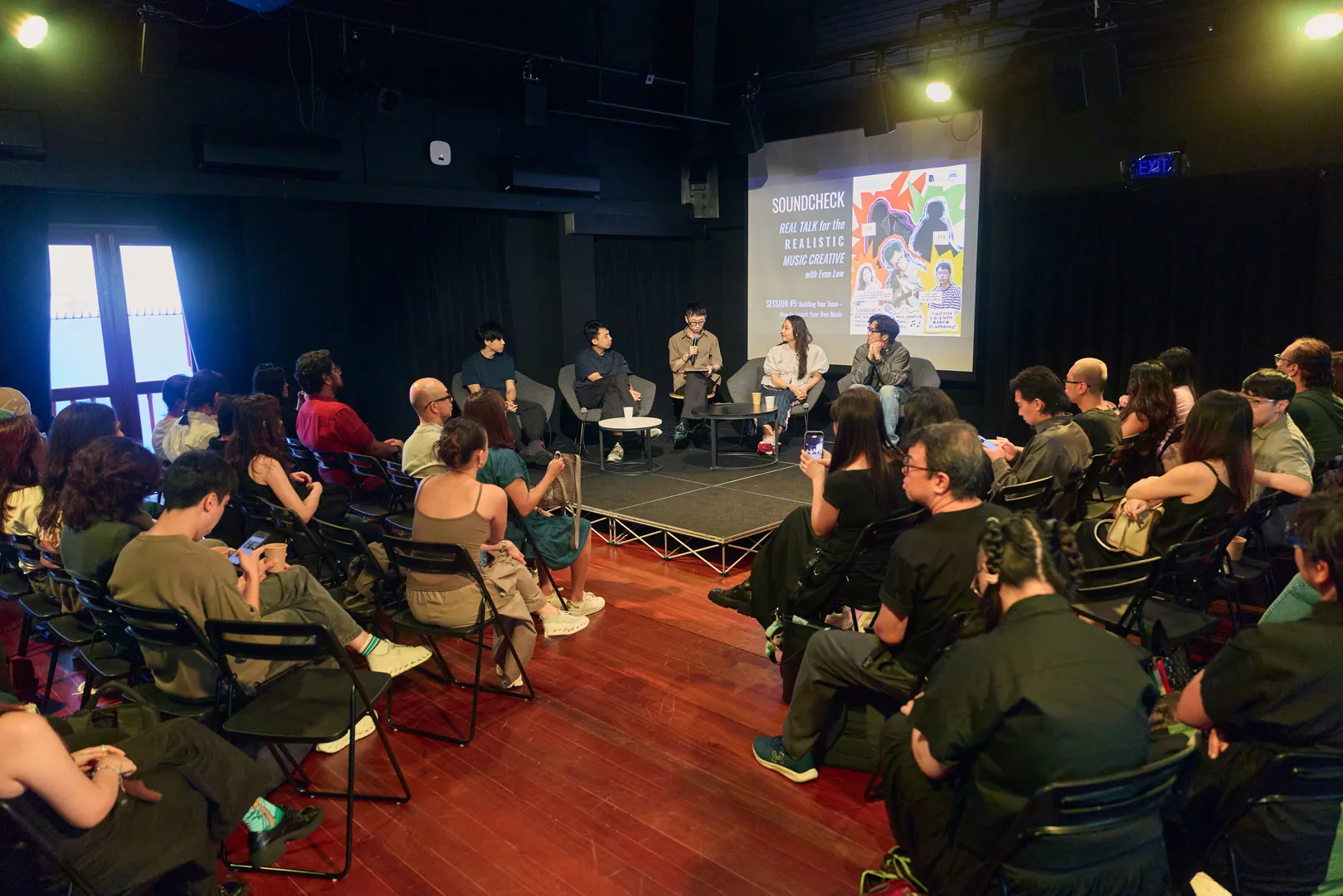
Turning demos into dialogue
SOUNDCHECK’s most distinctive element came after the main discussions.
During its professional feedback segment, independent artists could submit demos for consideration. Selected tracks were played for the panelists, who responded with constructive advice tailored to both the music and the artist’s circumstances.
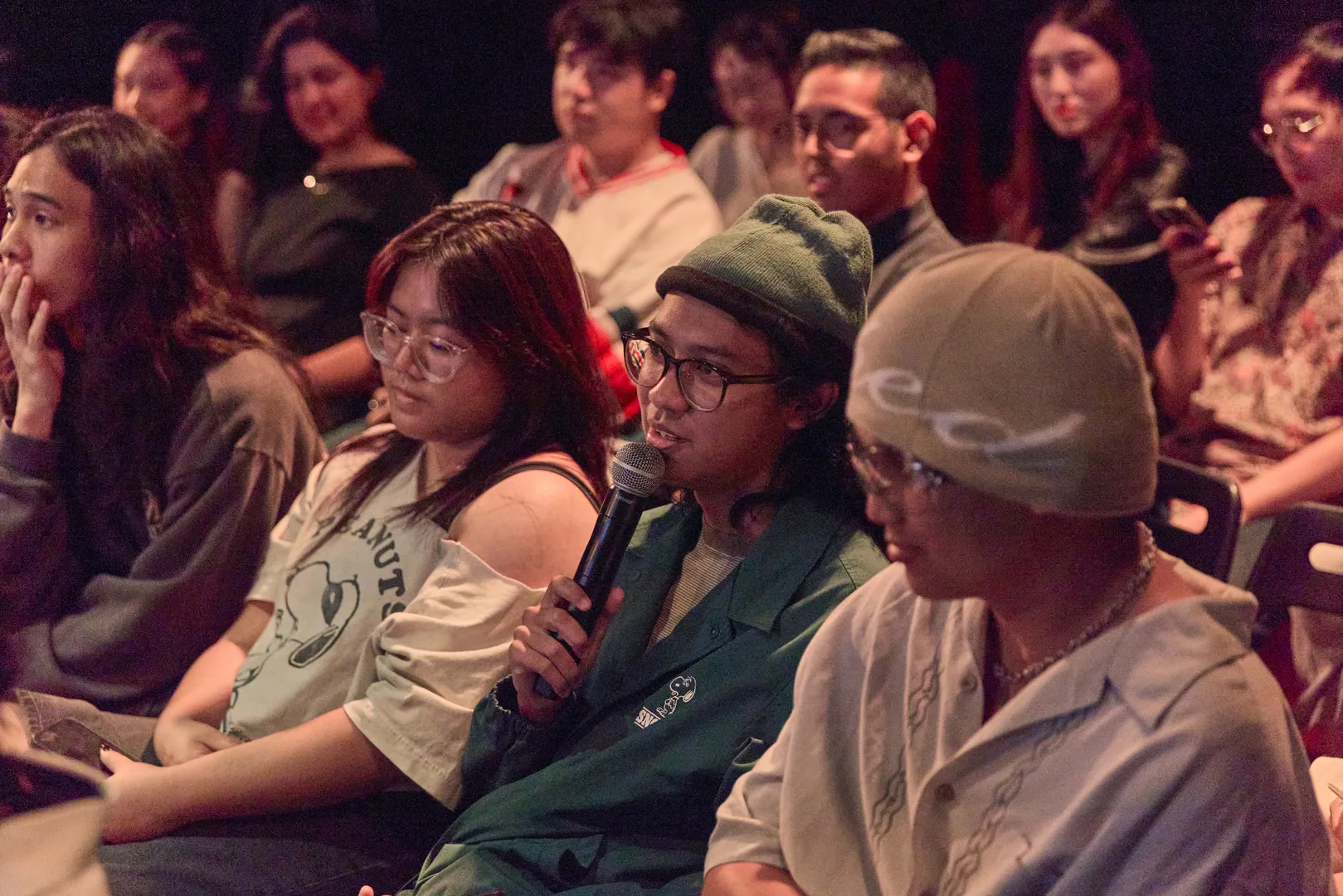
Sometimes, the feedback centred on songwriting: the shape of a chorus, the clarity of an arrangement, or whether an idea had been developed as far as it could go. At other times, the conversation moved towards production or technical details.
But a demo could also prompt questions beyond the recording itself. How should the artist introduce the track online? Which section might connect most immediately on social media? What should they understand about publishing before releasing it? What kind of team, campaign, or audience-building approach might give the song a better chance of being heard?
In those moments, a song was treated not as an isolated file but as the centre of a larger set of creative and professional decisions.
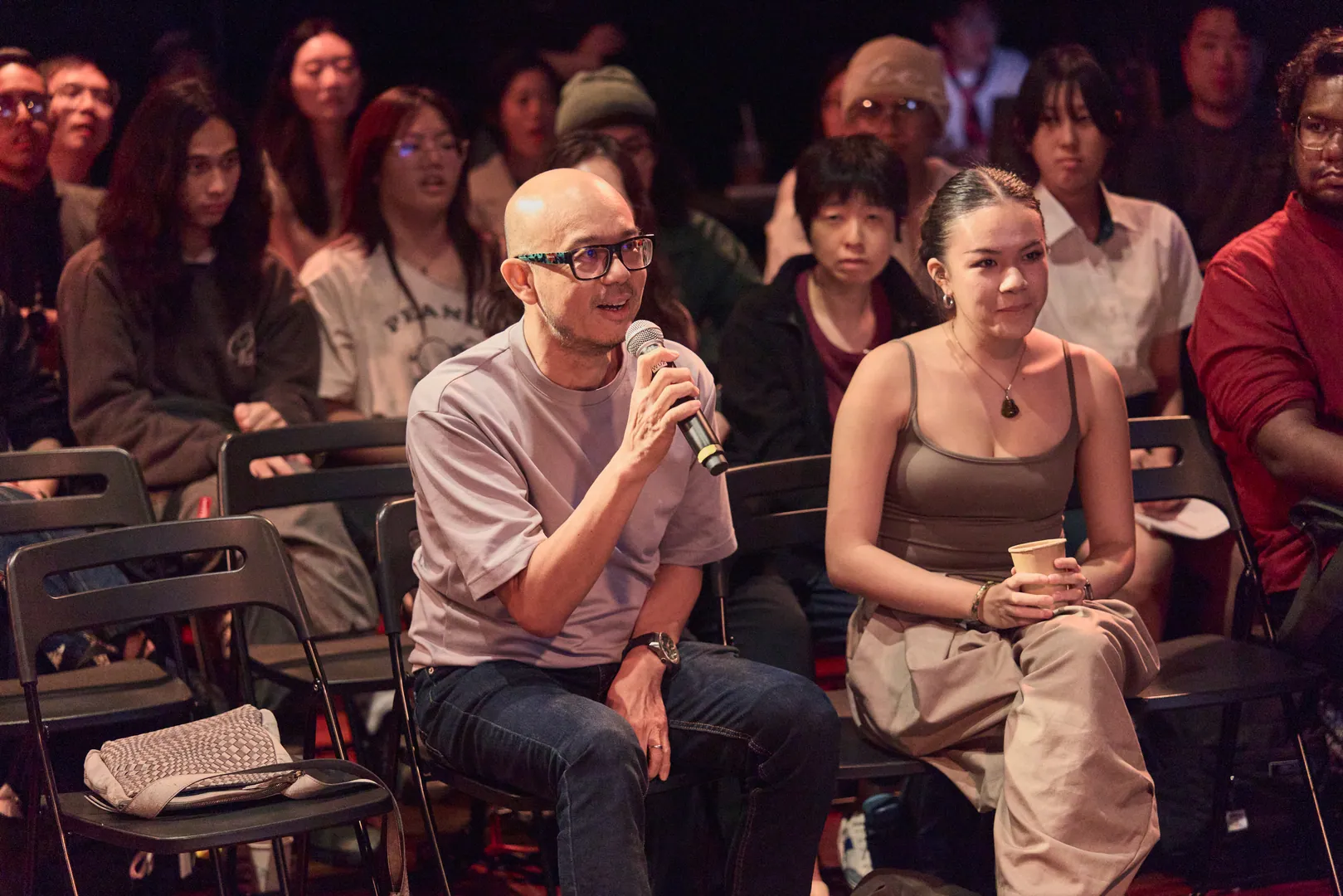
The segment also prevented the series from becoming a one-way transfer of knowledge. Artists were not simply listening to general advice from a stage. Their own work entered the conversation, allowing established practitioners to respond to the questions, strengths, and obstacles present in a real piece of music.
For selected participants, that exchange could continue beyond the event through follow-up mentorship sessions. The possibility of receiving personalised guidance from panelists extended SOUNDCHECK’s value beyond a single evening, turning an initial critique into the beginning of a longer professional relationship.
That continuity matters in a scene where many artists have ambition and ability but limited access to experienced mentors. One piece of advice will not build a career, but sustained guidance can help an artist ask better questions, recognise avoidable mistakes, and make decisions with more context.
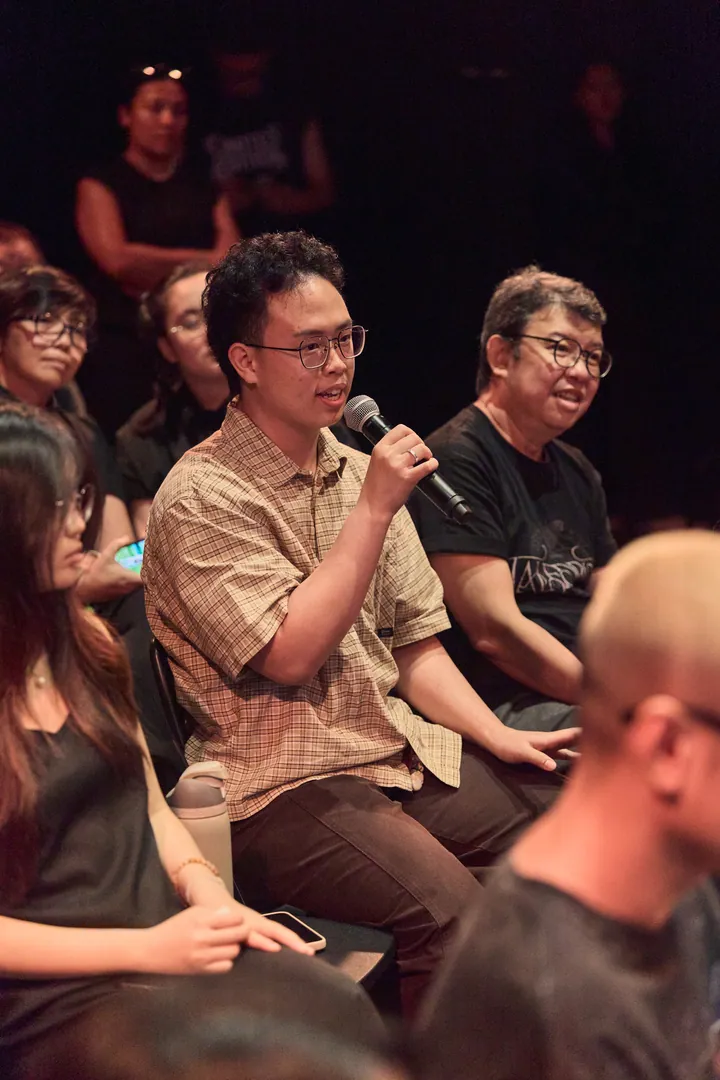
It also reduces the sense that every independent musician must solve the same problems alone.
Host Evan Low brought experience across production, songwriting, engineering, and international touring. A Young Artist Award recipient, he has worked on more than 200 songs, engineered for David Foster, and co-written Singapore National Day theme songs. That range made him a fitting moderator for conversations that consistently resisted reducing a music career to one role.
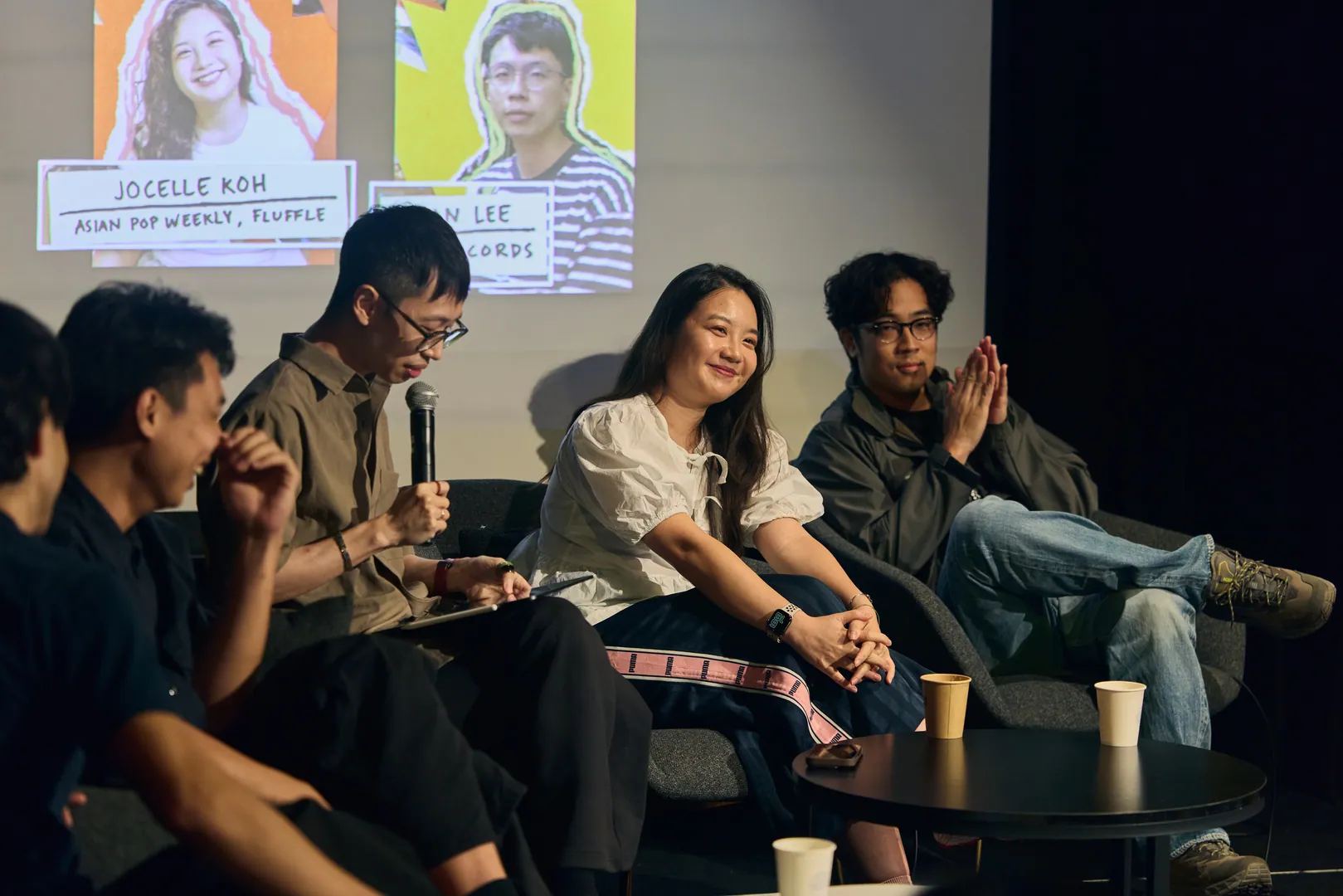
More importantly, the five sessions reflected how a music ecosystem sustains itself. Established artists and industry professionals shared lessons with those still finding their footing. Independent musicians brought unfinished work into a public setting and allowed it to be examined. Practical knowledge that might otherwise circulate privately — through friendships, studio sessions, or years of mistakes — became part of a broader community dialogue.
The organisers are now exploring ways to continue that momentum through future seasons and possible showcase opportunities. While plans have yet to be formally announced, the intention suggests that SOUNDCHECK is being imagined as more than a completed run of panels.
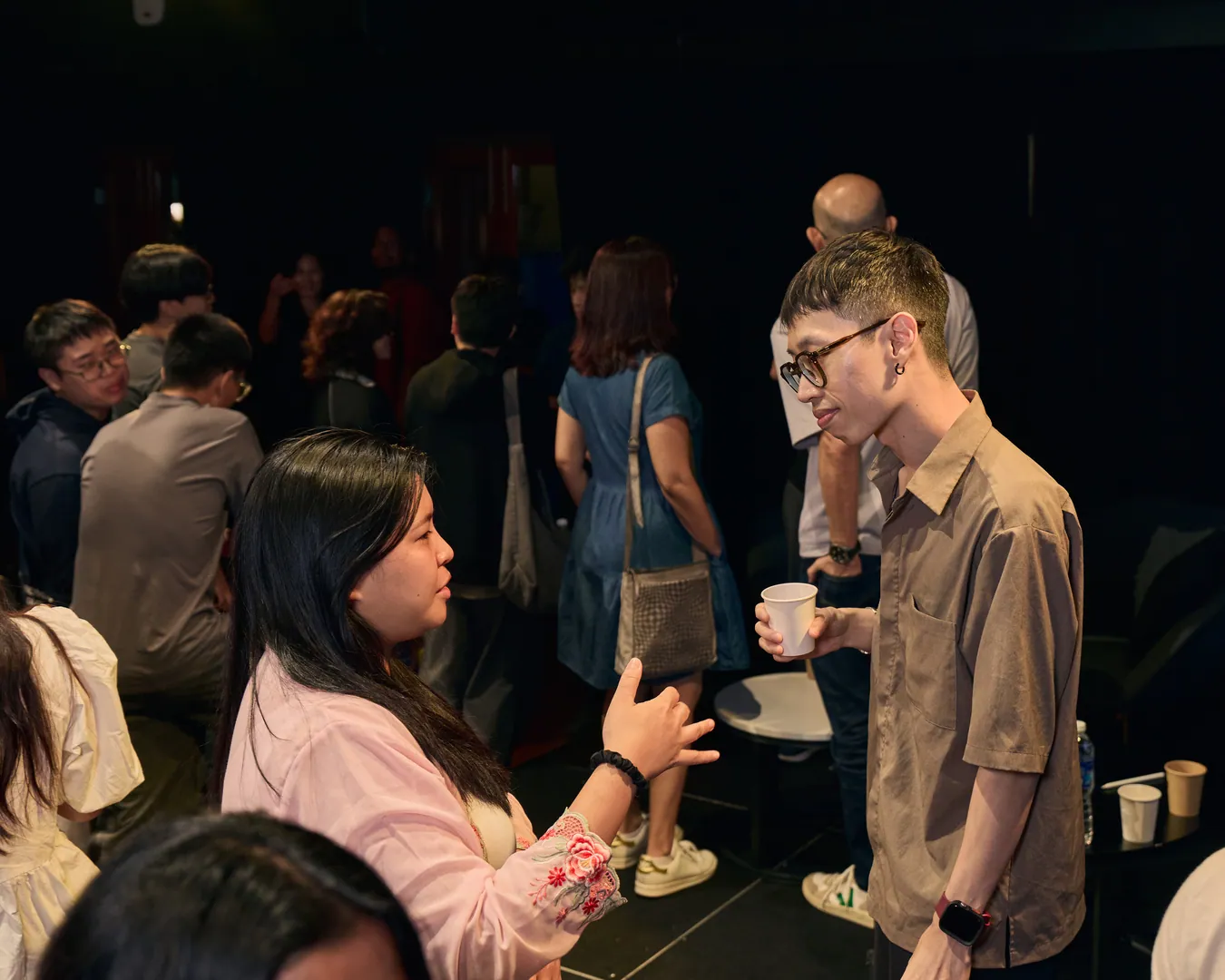
Singapore’s music scene does not lack talent. What artists often need is access — to information, to networks, to honest feedback, and to people willing to explain not only what worked for them, but why.
SOUNDCHECK created a space for those conversations to happen in the open. Its clearest lesson was embedded in the structure of the series itself: careers are built through songs, but also through communities prepared to listen, respond, and help one another move forward.
SOUNDCHECK is created in collaboration with the Arts Resource Hub (ARH). ARH supports arts Self-employed Persons (SEPs) by providing opportunities to connect, collaborate and grow. Through SOUNDCHECK, ARH provides independent music creatives with access to industry expertise, professional networks and career guidance essential for building sustainable careers. Learn more about ARH and its programmes via the Arts Resource Hub microsite and ARH Telegram channel.
Like what you read? Show our writer some love!
-