
More than a decade after it began as a short film created for Singapore's SG50 celebrations, The Violinist has become one of the country's most ambitious cinematic achievements. The hand-drawn historical feature recently made history as the first Singapore-produced animated film to win Annecy's coveted Cristal Award for Best Feature, while also taking home the SACEM Award for Best Original Soundtrack—cementing its place on the global animation stage.
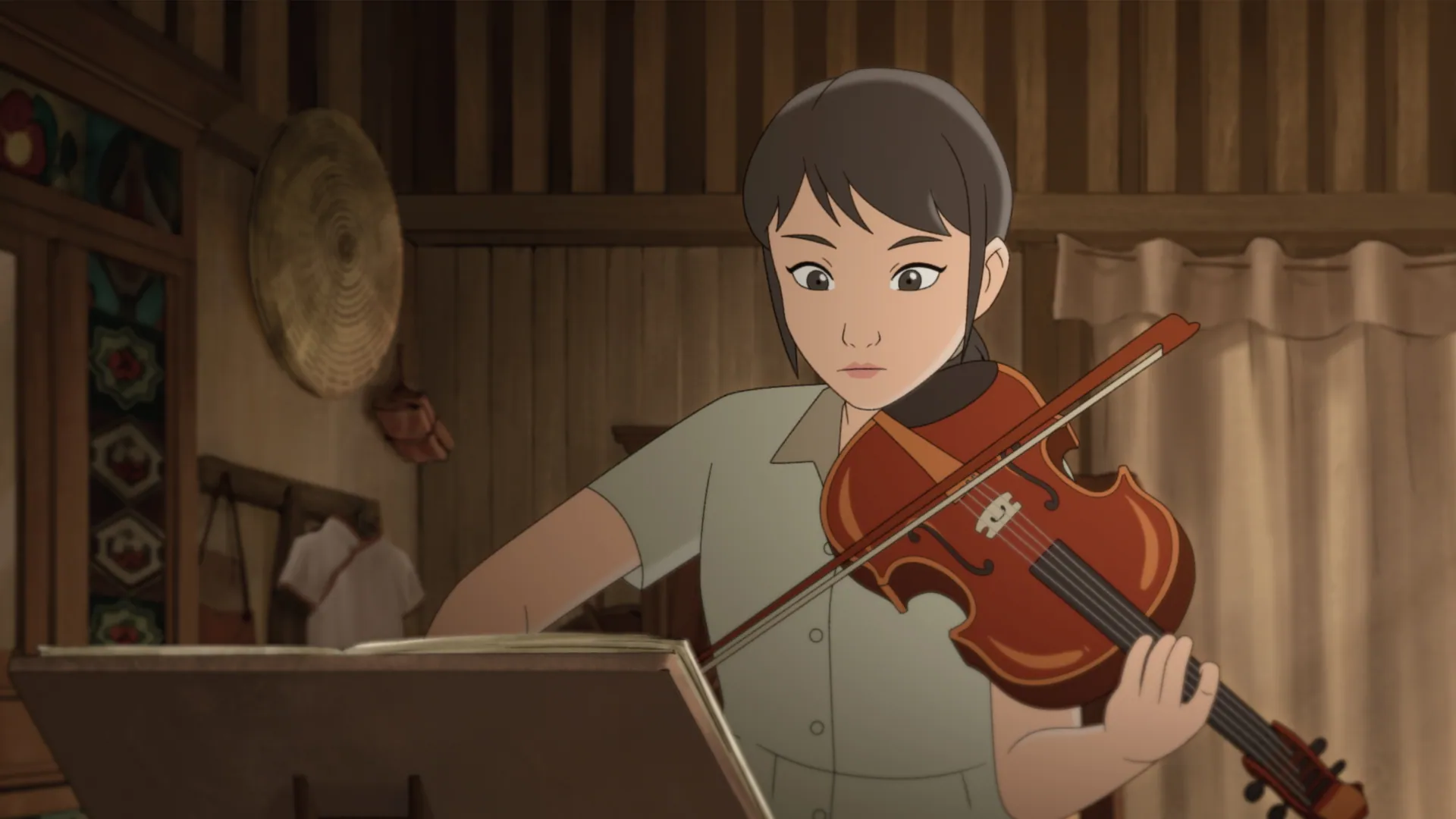
Co-directed by Ervin Han and Disney animation veteran Raul Garcia, The Violinist spans nearly a century of Singapore and Southeast Asian history, following childhood violinists Fei and Kai as war, separation, and time reshape their lives. Crafted across seven countries, the Singapore-led co-production blends intimate storytelling with sweeping historical scope, anchored by an original score from Golden Horse-winning composer Ricky Ho, additional music by Isabel Latorre, and violin performances by Joy Yong.
Ahead of the film's Singapore premiere in September, Bandwagon caught up with Ervin Han and executive producer Justin Deimen to discuss the decade-long journey behind The Violinist, collaborating across continents, why music became the film's emotional language, and what they hope audiences will take away after the credits roll.
The Violinist began life as a short film over a decade ago. At what point did you realise this story needed to become a feature?
Justin Deimen: I first met Ervin on this project almost 11 years ago at the Asia TV Forum pitch market. Even then, he had a clear conviction that this wasn't simply a short film, but a story that deserved the breadth and emotional depth of a feature. He saw the opportunity to expand it into something that explored not only the lives of its characters, but also the complexities of history, identity, and humanity against the backdrop of WWII.
What struck me most was his extraordinary sense of place and time. Every creative decision felt grounded in a deep respect for the period, yet never at the expense of the emotional journey. It wasn't history for history's sake. It was history in service of profoundly human storytelling.
The project also resonated with me on a personal level because of my own family's experiences during the Japanese Occupation. There was something deeply authentic about the way Ervin approached the subject, balancing historical truth with artistic sensitivity. That combination of groundedness and artistry is rare, and it's what gave me the confidence to commit to the project for the long journey. Looking back after more than a decade, I'm grateful we stayed the course, because some stories simply need the space and time to become what they were always meant to be.
Ervin Han: It was never really a case of the short film needing to become a feature. Ever since we founded Robot Playground Media, the ambition was always to make animated feature films.
I also knew our first feature had to be a story about who we are as Singaporeans—where we come from, the history that shaped us, and the values we carry forward. The Violin was a natural starting point to explore those ideas.
But when we began developing the feature, we didn’t simply expand the short. We started again with a new story inspired by it while retaining its emotional DNA.
The film is deeply rooted in Singapore's history. Was it difficult to strike a balance between local authenticity and universal accessibility?
Justin Deimen: One of the things that amazed me throughout this journey was how a story so deeply rooted in Singapore's history and culture could resonate so strongly with partners from around the world. We had funders, producers and creative collaborators from Spain, Italy and many other countries who immediately connected with it because they recognised the humanity within it.
I think that's a testament to Ervin's writing and direction. He was unwavering in preserving the authenticity of the world while crafting characters whose hopes, fears and relationships feel universally relatable. The film never tries to dilute its Singaporean identity to appeal internationally. In fact, it's precisely because it is so authentic that audiences from different cultures are able to connect with it.
I'm also incredibly grateful to our co-producers and champions, Paloma in Spain and Cristiano in Italy. Throughout the entire process, they believed in both the story and the characters, and they consistently supported our commitment to preserving the film's local DNA. That trust allowed us to make something that feels unmistakably Singaporean while proving that the most local stories can often become the most universal.
Ervin Han: I never actually thought of it as a balance. I don’t believe you become more universal by making a story less specific.
We never set out to explain Singapore or Southeast Asia to an international audience. We trusted that if the world, the history and the cultural details felt truthful, audiences would come with us. What mattered was making sure the emotional journey was universally recognisable.
Throughout development, we kept asking ourselves a simple question: "Do you need to understand Singapore’s history to understand what this character is feeling?" If the answer was yes, then we hadn’t done our job well enough.
History provides the setting, but emotion is what allows the story to cross borders.
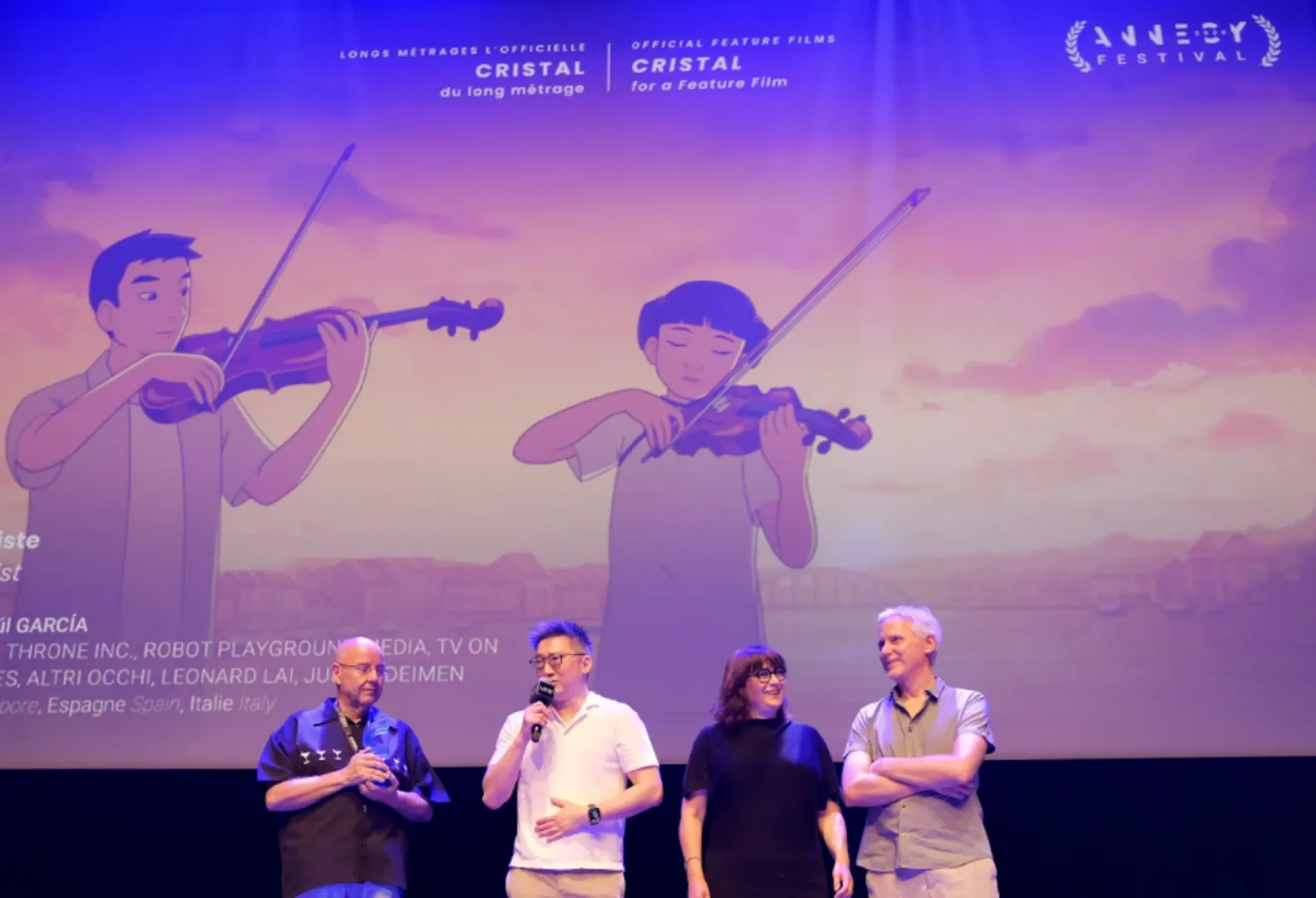
War, displacement and memory are difficult subjects to portray. Why did animation feel like the right medium to tell this story instead of live action?
Justin Deimen: For me, animation allows memory, music and emotion to exist in the same visual language, making difficult subjects like war and displacement more intimate and universally accessible. More importantly, it reflects Ervin's greatest strength as a filmmaker, where beauty and humanity can coexist even in the darkest moments. On a practical level, achieving the same scope and emotional richness in live action would likely have tripled the budget.
There's also something deeply meaningful about this moment. At a time when traditional hand-drawn animation processes face existential pressure from the increased use of generative AI, Singapore has produced a film that was brought to life through the craftsmanship of a global village of artists—almost as a counterpoint. Releasing the film amid renewed global conflict is also a reminder that art doesn't exist apart from reality.
Ervin Han: I never really saw it as a choice between animation and live action. I’m an animation filmmaker, and I believed from the outset that this story belonged in the medium.
As we developed the film, that conviction only grew stronger. A live-action version would undoubtedly be much more expensive, but more importantly, I think it would become a much bleaker film. The realism of live action naturally draws attention to the brutality of war. Our film is equally about memory, hope and the transcendent power of music.
Because the story is built around music and virtuoso violin performances, live action would also demand an extraordinary level of realism. Audiences would naturally scrutinise every performance and every musical gesture.
Animation creates a different contract with the audience. Because we know from the very beginning that what we’re watching isn’t literally real, we become more open to its emotional truth. That slight suspension of disbelief allows the music to become almost a character in its own right, carrying memory, longing and hope across generations.
That’s the paradox I love about animation. Sometimes, by being less literal, it allows us to arrive at something even more truthful.
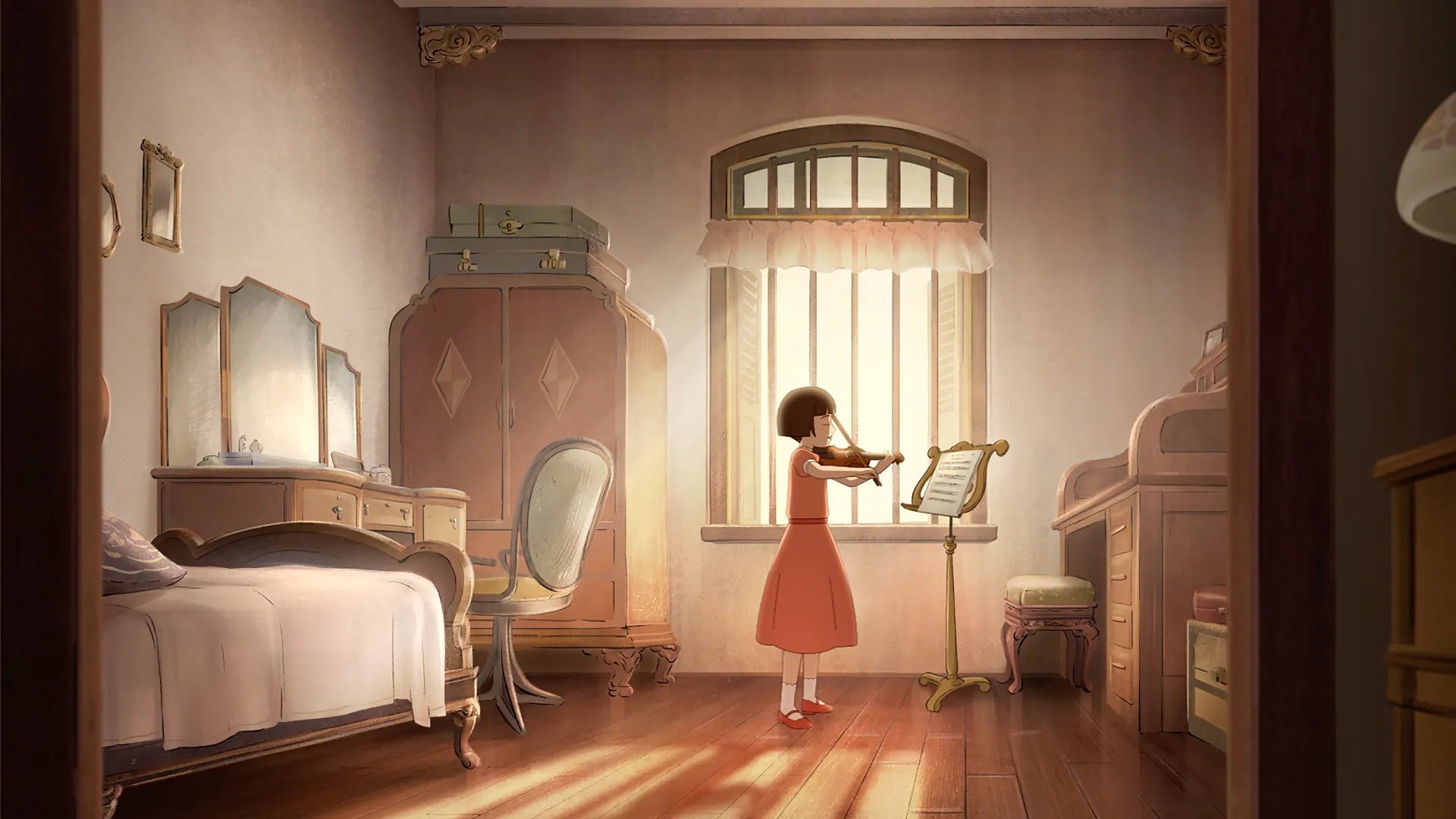
Music is central to The Violinist, both narratively and emotionally. How did you work with Ricky Ho, Isabel Latorre, and Joy Yong to shape a score that could carry the film's themes?
Justin Deimen: I only want to add how appreciative and grateful we are to have these master musicians working with us on this film and how much they contributed through their artistry and craft.
Ervin Han: From the very beginning, we knew music couldn’t simply accompany the film. It had to function as a narrative language—almost like another character.
Ricky Ho was instrumental in shaping that vision. We spent months discussing not just the music itself, but the characters, the emotional arc of the story, and what music needed to express when words could not. The central sonata became the emotional spine of the film, evolving alongside the characters and carrying memory, longing and hope across decades.
Isabel Latorre helped to expand and enrich Ricky’s musical language, while Joy Yong’s violin performances gave the music its emotional soul.
Looking back, I think Ricky, Isabel and Joy were storytellers as much as musicians. The score doesn’t sit on top of the film; it’s woven into its very DNA.
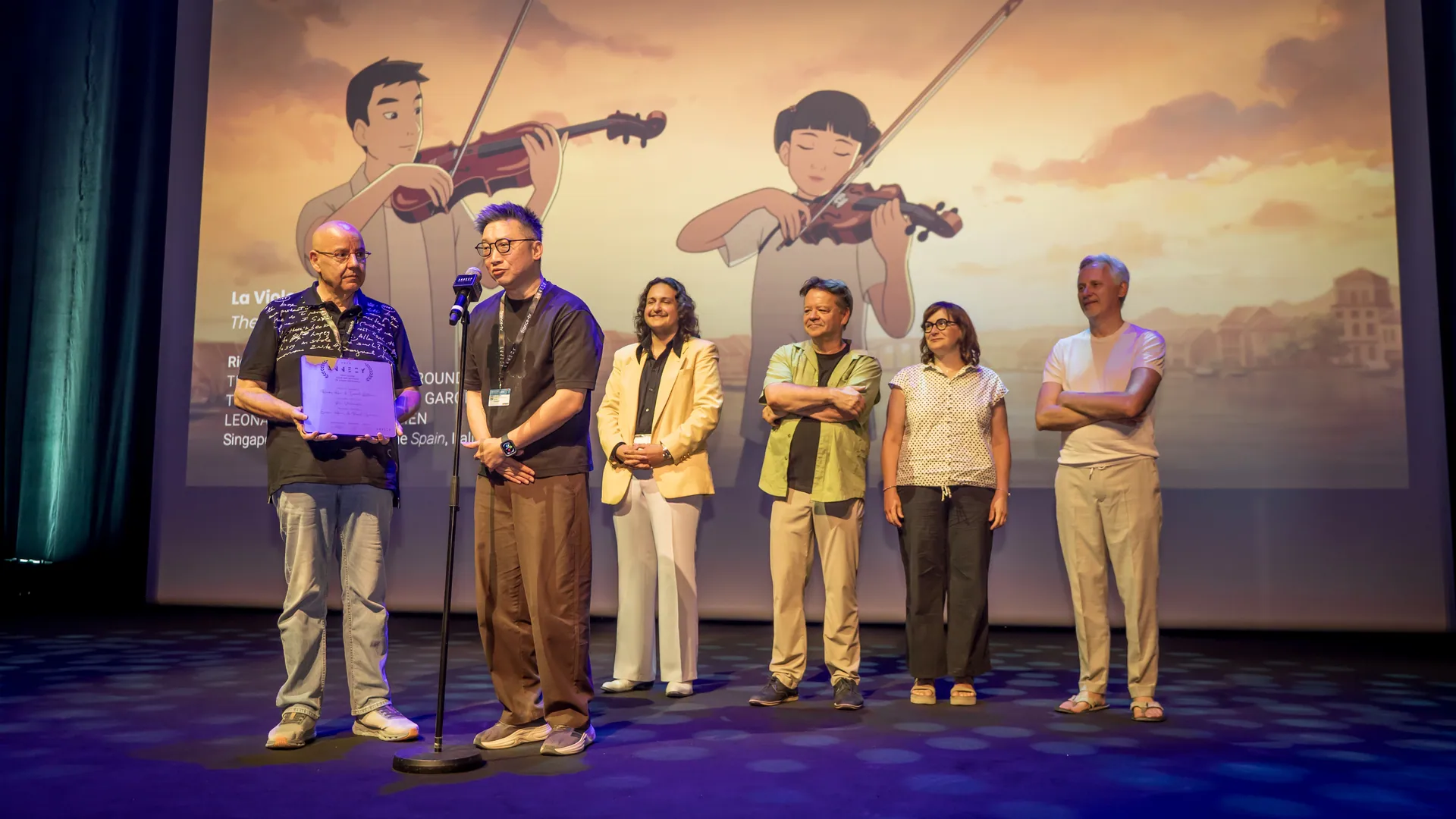
The Violinist brought together partners from Singapore, Spain and Italy. What were the biggest challenges in aligning so many creative voices into one film?
Justin Deimen: The biggest challenge wasn't the differences between countries, but ensuring everyone remained united behind the same emotional truth. It became an exercise in intercultural collaboration, where different creative perspectives strengthened the film rather than distracted from it. We were fortunate to have partners who understood that preserving the story's Singaporean identity was what ultimately gave it its universal resonance.
Ervin Han: International co-productions are always about communication and trust. We brought together partners from Singapore, Spain and Italy, each with different experiences and perspectives, but everyone respected that this was a Singapore-led film with an authentically Singaporean story at its heart.
Creatively, the discussions always made the film stronger. We challenged one another, but never the identity of the film. That clarity of purpose made the collaboration remarkably rewarding.
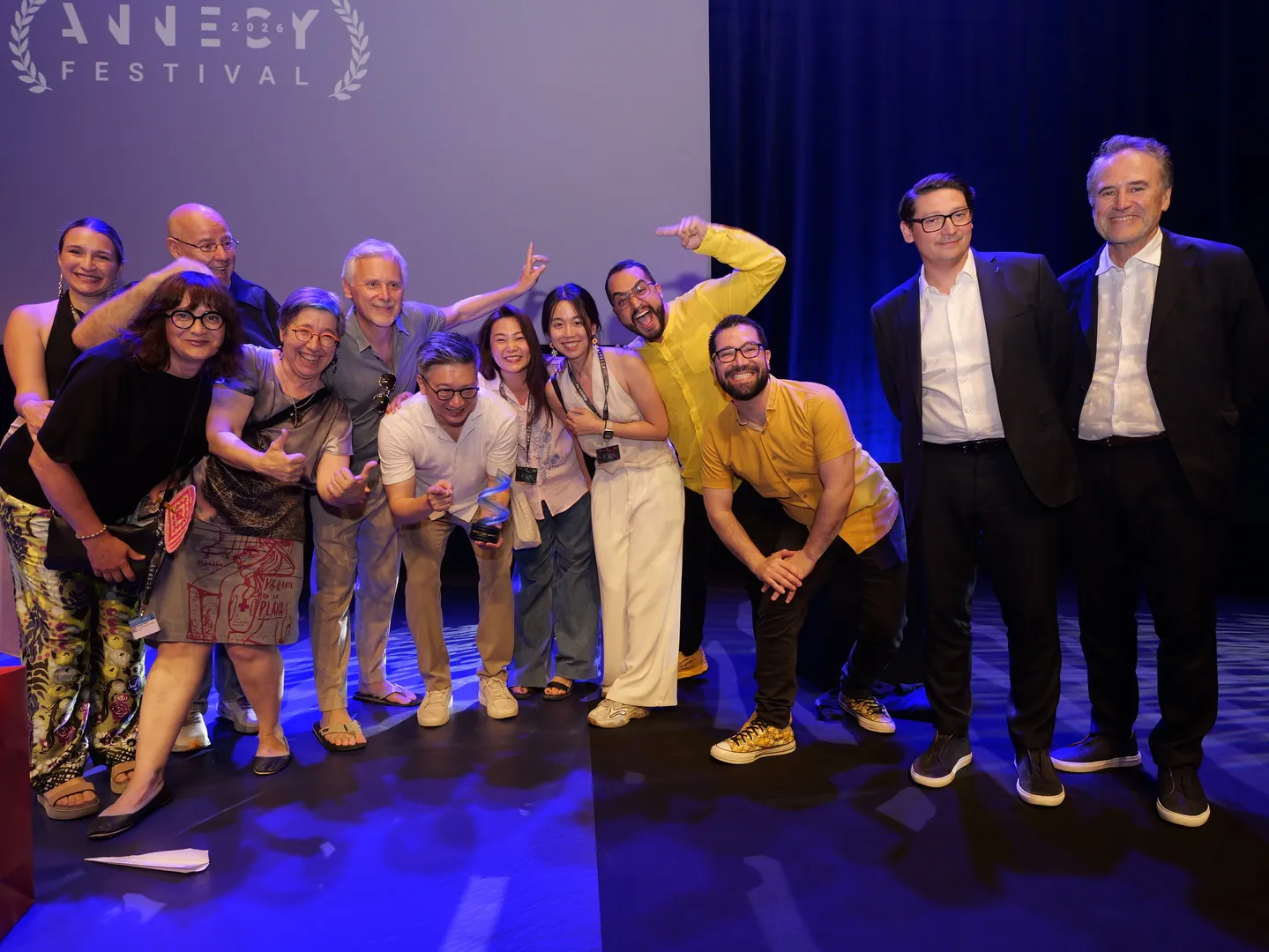
When The Violinist was first conceived, winning Annecy's top prizes must have seemed like such a remote possibility. What did those milestone achievements mean to you?
Justin Deimen: I always knew the film was special. I never had any doubt that artistically the film would go the distance. Now the best and most important achievement for me is to have Singaporeans and Southeast Asian audiences connect with it in cinemas, making it part of a cultural conversation and creating impact in how different generations interact with each other through the film.
Ervin Han: When the film was first conceived, even getting it made felt like a distant ambition. Winning at Annecy simply wasn’t something we allowed ourselves to think about.
Receiving the SACEM Award for Best Original Soundtrack was incredibly meaningful because music is the emotional heartbeat of The Violinist. It was wonderful to see the work of Ricky Ho, Isabel Latorre and Joy Yong recognised on the world's biggest stage for animation.
And then came the Cristal. That was simply surreal. More than anything, it felt like validation that a deeply Singaporean and Southeast Asian story could resonate with audiences around the world without compromising its identity.
I hope these awards aren't just milestones for The Violinist, but signals that there is an audience for original animated stories from our part of the world.
Annecy has launched the international awards journeys of films like Flow and Arco. Does receiving the Cristal change how you think about the film's future, or are you trying not to let expectations shift?
Justin Deimen: From a producing perspective, it's a gamechanger, and it is important to recognise when a film's influence and attention are beginning to expand. The Cristal does not change the heart of the film, but it does change the scale of possibility around it.
What matters now is that The Violinist continues to travel, and that it challenges previously entrenched expectations of what stories from Singapore and Southeast Asia can be. For me, the bigger picture is not just awards momentum, but the fact that a historically specific story from Singapore can cross borders and be received as world-class.
Ervin Han: It's unquestionably a landmark moment for our team, for Singapore animation and, I think, for Singapore cinema more broadly. We recognise that, and we're incredibly proud of what it represents.
At the same time, I think it's important not to let awards change the way you think about the film itself. The film is finished. It's the same film it was before Annecy.
What the Cristal really changes is the opportunity. It gives the film a chance to reach audiences, festivals and territories that might otherwise have been difficult to access. That's a privilege, but it's also a responsibility.
Ultimately, awards are moments. What I hope endures is that the film continues to travel, continues to move people, and perhaps opens the door a little wider for the next Singaporean or Southeast Asian animated feature.
What excites you most about sharing it with everyday audiences, especially in Singapore?
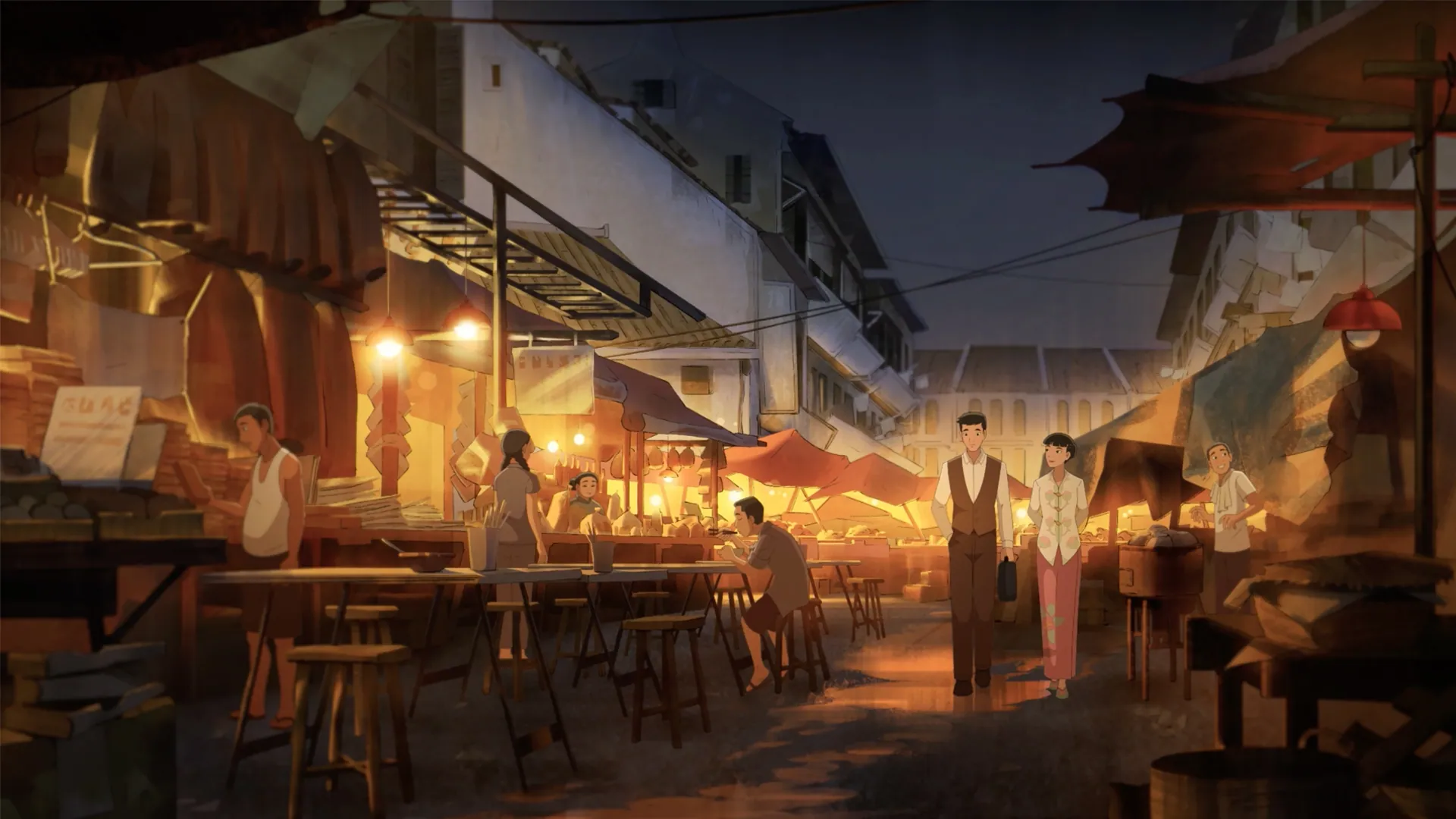
Justin Deimen: I'm excited for Singaporean audiences to experience a story that speaks to a shared chapter of our history, one that shaped the generations who built the nation we know today. I hope the film encourages conversations across generations and cultures, reminding us that history is not just something we inherit, but something we continue to understand through stories and artistic practice.
Ervin Han: More than anything, I'm looking forward to watching Singaporean audiences experience the film together. It's a story inspired by our history, but I hope people see more than that. I hope they see something of their parents, grandparents, or even themselves in it.
Of course, we hope people embrace The Violinist in cinemas. But my hope has always been that its journey doesn't end there. I'd love to see it continue to live in schools, museums, cultural institutions and community spaces, becoming a film that people return to over the years.
If it can help preserve a small part of our collective memory, spark conversations across generations, or encourage young Singaporeans to become curious about the history that shaped them, then I think the film will have achieved something far beyond its theatrical run.
View this post on Instagram
When audiences eventually leave the cinema after watching The Violinist, what's the one conversation you hope they're having on the walk home?
Justin Deimen: I hope people leave wanting to talk to their parents and grandparents, and to cherish them—to ask more often about the stories that shaped their lives before those memories are lost.
I also hope it reminds us not to take for granted the peace, multiculturalism and sense of community we've inherited, and to value the artists and storytellers who help preserve those stories for future generations.
Ervin Han: First of all, I hope they simply enjoyed the film. I hope they were entertained, moved by the characters, and carried away by the music.
If, on the walk home, they're also talking about where we come from, the people and events that shaped the Singapore we know today, then I think we've achieved something special.
I hope the film reminds us that peace, harmony and multiculturalism aren't things we should ever take for granted. They were hard won, and every generation has a responsibility to protect them.
More than anything, I hope The Violinist becomes a positive cultural moment for Singapore. If it brings people together across generations, sparks conversations about our shared history, and leaves audiences with a quiet sense of pride in who we are and how far we've come, then I think the film will have found its true home.
Like what you read? Show our writer some love!
-