
Over the past year, KOLLIN has been building serious momentum. From a viral Boiler Room Tokyo set to a recent Europe and UK run, the Seoul-based DJ has been taking her genre-blurring sound to bigger rooms and new cities, all while staying rooted in instinct, energy, and the kind of musical curiosity that keeps a crowd locked in.
Ahead of her 9 May debut at MARQUEE Singapore, KOLLIN speaks with Bandwagon about discovering her musical identity abroad, learning to trust her own taste, and what it feels like to watch a breakout moment take on a life of its own. She also opens up about the pressure that comes with growing visibility, the lessons from playing different kinds of crowds, and why returning to Singapore feels especially personal this time around.
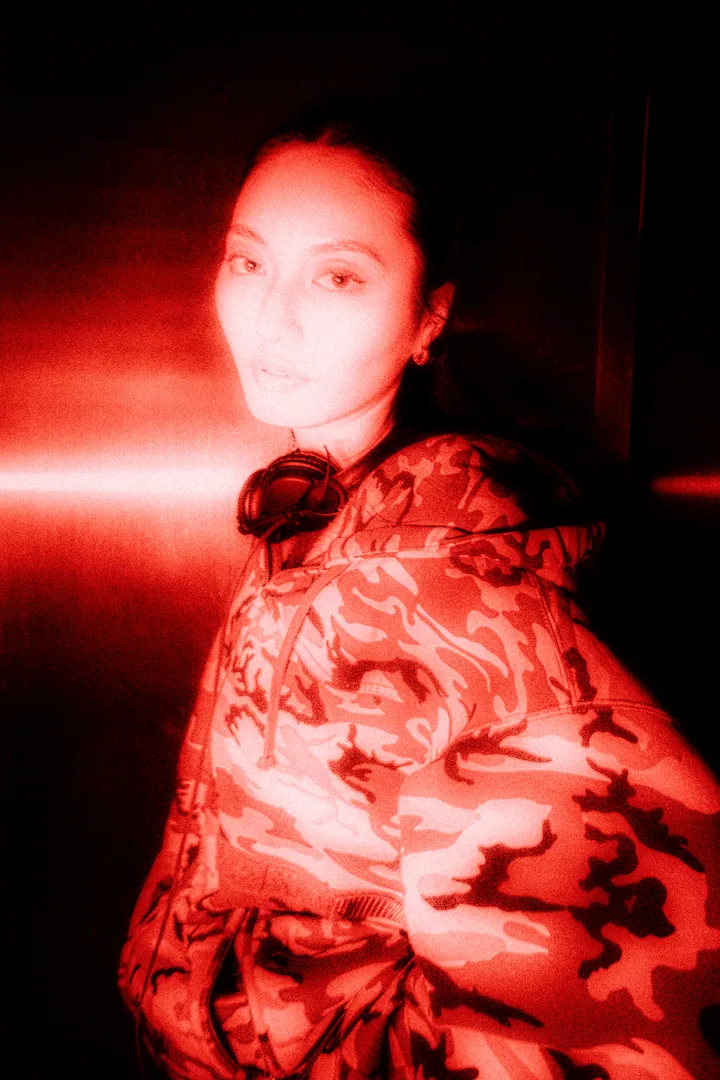
You've mentioned that early on, you discovered part of your musical identity while in the UK. What did that period unlock for you creatively?
Before my time in the UK, I relied mostly on intuition to distinguish genres. I felt the music, but I hadn’t directly experienced its roots or the culture behind it. Living in the UK changed that — being immersed in such diverse people and cultures gave me a deep understanding of why certain sounds and genres emerged. That context has made my process of creating and selecting music much more intentional and fluid.
Seoul has a very distinct club culture. How has the city shaped your instincts as a DJ, especially in the way you read a room?
I believe this applies not just to Seoul, but to every corner of the world. Even when there’s a global hit, every country has its own local trends shaped by what’s happening on the ground. I put a lot of effort into finding remixes that capture those specific local elements. When I first started DJing, I only played what I liked without much regard for the crowd. But as I’ve gained experience, I’ve developed a keener instinct. After all, my job is to make people smile and get them moving.
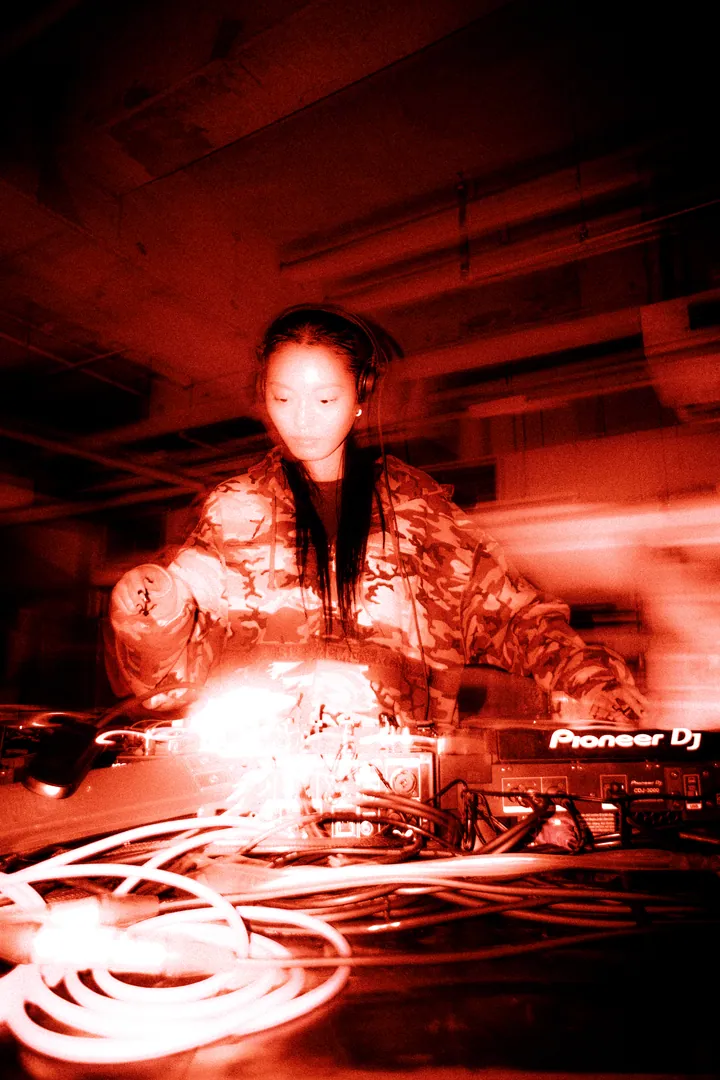
Your sets move across genres so naturally. How do you decide when to switch things up while keeping the crowd with you?
The safe approach is to connect tracks with similar keys, drum patterns, or sound textures. However, back when I didn’t even know those rules, I was already mixing diverse tracks — even those with vastly different BPMs. Through that process of trial and error, I developed a natural instinct for it. It’s a sense that goes beyond technical rules; it’s about understanding the underlying energy of the music.
You’ve played for a variety of venues and crowds lately. Is there a difference between playing for a deeply plugged-in audience and a more mixed festival or big-room audience?
Interestingly, I’d say there is a difference, and yet there isn’t. I consider myself a DJ who doesn’t easily compromise because I trust both my music and my audience. One thing I’ve realized through playing at various venues is that good music is universal — everyone recognizes it.
Of course, festivals have that explosive energy because people come with the intent to go wild. Small clubs, however, can sometimes be more challenging. There were days I felt upset, thinking the crowd wasn’t dancing enough, only to have someone come up to me afterward and say, “That track was amazing,” or “I was so focused on your set because the music was so good.” It made me realize that some people experience the club through listening, not just dancing. My mission is to provide great music for them as well, and that’s why I’ve learned to trust my instincts.
If I had to pick a real difference, it would be the “sonic scale.” There’s a limit to playing big-room tracks in intimate clubs or brand events. Some songs are specifically designed for the vastness of a festival, and adapting to that spatial scale is where the real distinction lies.
Over the last year, it feels like your profile has grown fast. What has this stretch taught you about yourself, both as a DJ and as a person?
As my profile has grown over the past year, I’ve realized that the faster things move, the more I need to ground myself in my own identity. As a DJ, this period taught me that staying true to my unique sound — rather than just chasing trends — is what truly resonates with people. It’s about the quality of the sound design and the sincerity behind it.
As a person, I’ve learned the weight of having a platform. I now understand that my music and actions can serve as a positive influence, and that realization has brought a new sense of responsibility. Ultimately, this stretch hasn’t just been about career growth; it’s been a journey of building inner strength and learning how to remain a “sincere perfectionist” even under the spotlight.
A lot of people discovered you through your Boiler Room Tokyo set, which really felt like a breakout moment. Did the success of that give you confidence, pressure, or both?
I felt both at the same time. But honestly, I asked myself, “Why should I feel pressured?” My focus now is simply to listen more and feel more. At one point, I caught myself approaching music like a math problem — purely technical — and I was disappointed in myself. In those moments, I lost sight of what “good music” even meant. I used to blame myself for it, but I’ve learned to be kinder to myself, realizing that I just lacked the mental space to truly feel the music.
That’s why I actually feel a bit of regret about the Boiler Room Tokyo set. I was so incredibly busy during that period. I often think that if I were to stand on a stage like that again with more inner peace and mental clarity, I could create an even better, more profound set.
That Boiler Room set has since gone very viral. Has it been exciting, strange, or a bit surreal to watch it take on a life of its own?
To be honest, I still feel a bit of regret, which ties back to my previous answer. At the time, I had been working on another project and hadn’t slept for days leading up to the set. I never dreamed it would go so viral or reach so many people.
Because of that, watching it take on a life of its own felt completely surreal, but at the same time, incredibly exciting. It has opened doors for me to perform in so many more countries, and I’m beyond thrilled at the thought of what kind of music I’ll get to share with those new audiences.
You had your first EU/UK tour recently. What was that experience like?
I’m incredibly grateful because I met so many wonderful people during the tour. The most memorable stop for me was Amsterdam. Honestly, it was a city where I didn’t think many people would know who I was.
However, after my set, while I was taking a break outside, so many people came up to me to share their energy. They said things like, “That was the best set,” and “I’m completely soaked in sweat because of you!” Having those spontaneous conversations with the crowd was so rewarding. To everyone who came out to see me across all the cities — thank you from the bottom of my heart. It meant the world to me.
View this post on Instagram
You’re set to make your MARQUEE Singapore debut soon. What are your thoughts on playing that club, and what can fans in Singapore expect that night?
You probably didn’t expect this, but I actually lived in Singapore in my early 20s while working as a model. I used to visit Marina Bay Sands back then, so Singapore is a city where I truly built my sense of self. I remember sitting in a park near Somerset station, just getting lost in the music I loved. Those moments actually shaped the path that led me to become a DJ.
Returning to Singapore now feels like coming home. To celebrate this full-circle moment, I’ve been digging through the tracks I used to listen to back then. I’m planning a diverse, genre-blending set — everything from dubstep and hip-hop remixes to baile funk and techno. I can’t wait to reconnect with the city and see you all on the dance floor.
Purchase tickets for KOLLIN's showcase at MARQUEE Singapore here.
Like what you read? Show our writer some love!
1