
“I’m on my way to me.”
With On My Way (OMW), Thai lo-fi pop-jazz singer VARITDA invites us to embrace uncertainty with warmth, groove, and a splash of vintage soul. Rooted in doo-wop harmonies and draped in lo-fi textures, the five-track EP is a gentle call to adventure — both musical and personal. From bittersweet love confessions to jazz-pop daydreams, VARITDA blends nostalgia and modernity with a delicate touch and timeless flair.
We caught up with VARITDA to talk about her sonic influences, heartfelt storytelling, and how OMW became a musical map of self-discovery.
“I’m on my way to me” is such a powerful line. How does that idea of self-discovery shape the story you’re telling in On My Way?
“On my way to me” is really about the constant search for the future version of myself, asking questions like—why was I born into this world? What’s my purpose in life? Where am I heading? Honestly, I don’t think I’ll ever have all the answers, but that’s okay. I’ve learned to enjoy the process instead of rushing to the destination. Along the way, I’ve taken wrong turns, but those so-called mistakes always led me to unexpected places, new lessons, and opportunities I never imagined. Looking back, those detours are what shaped me the most. For me, OMW is about embracing that feeling—accepting the uncertainty, appreciating the journey, and moving forward with hope even when things aren’t perfectly clear. It’s like telling myself that it’s okay not to know everything right now, as long as I keep going.
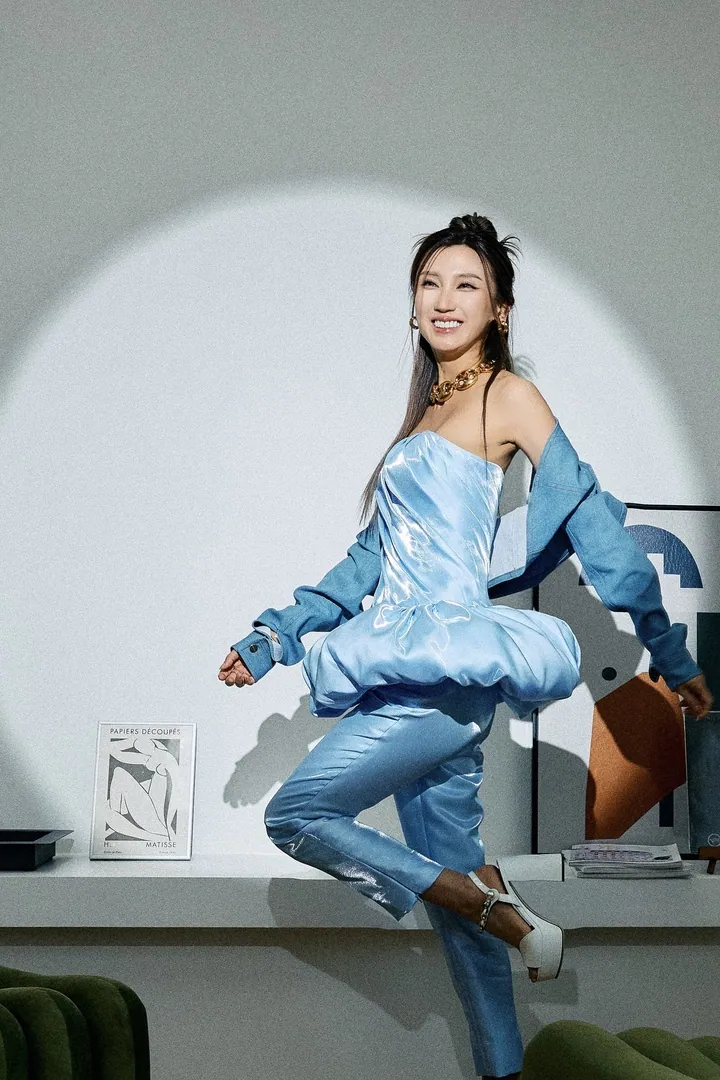
Your EP blends doo-wop harmonies with modern lo-fi textures — what drew you to that nostalgic yet fresh sonic palette?
I have always loved the warmth of old-school jazz and doo-wop. There is something so human about those layered harmonies, like a group of friends singing together in a stairwell. At the same time, I wanted the music to feel fresh and modern, so we blended that nostalgia with lo-fi beats, soft piano, and a dreamy jazz-waltz rhythm. The mix feels like two worlds meeting—classic warmth with a modern vibe. For me, that balance really reflects life itself: you carry the past with you, but you also keep moving forward and finding new ways to express yourself.
'Never Mine' was co-produced by Kasidej Hongladaromp (WIM). What was it like collaborating with him?
WIM is actually the one who lured me into this whole lo-fi jazz world. Before that, I wasn’t even sure if this sound would fit me, but he opened the door and showed me how much warmth and character it has. Working with him was such a smooth and inspiring experience. He has this way of understanding the emotion behind a song and translating it into sound. We both cared a lot about giving space to the lyrics and vocals, so nothing ever felt overcrowded. It’s like building a room where the story can breathe. He also loves using warm, organic textures, which fit perfectly with the mood of the track. It felt less like “producing” and more like creating a story together—layer by layer, detail by detail. That kind of teamwork made the song feel very real and heartfelt.
'twenty-first' is inspired by your wedding anniversary — how do personal memories shape your songwriting process?
To me, love doesn’t always need to be loud or dramatic; the strongest love can also be quiet and steady—like the moon that’s always there no matter how the seasons change. What makes it meaningful are the little everyday moments—the small things we share that always make me smile, whether it’s a casual conversation, a simple meal together, or just laughing about something silly. Those details may seem ordinary, but they’re the pieces that build a lasting love. The melody was something I created together with Jamie Song, a Korean writer, and the lyrics were written by PYC. I was involved in shaping it every step of the way, making sure the feeling really came to life. In the end, it felt less like just writing a song and more like capturing my own memories and turning them into music.
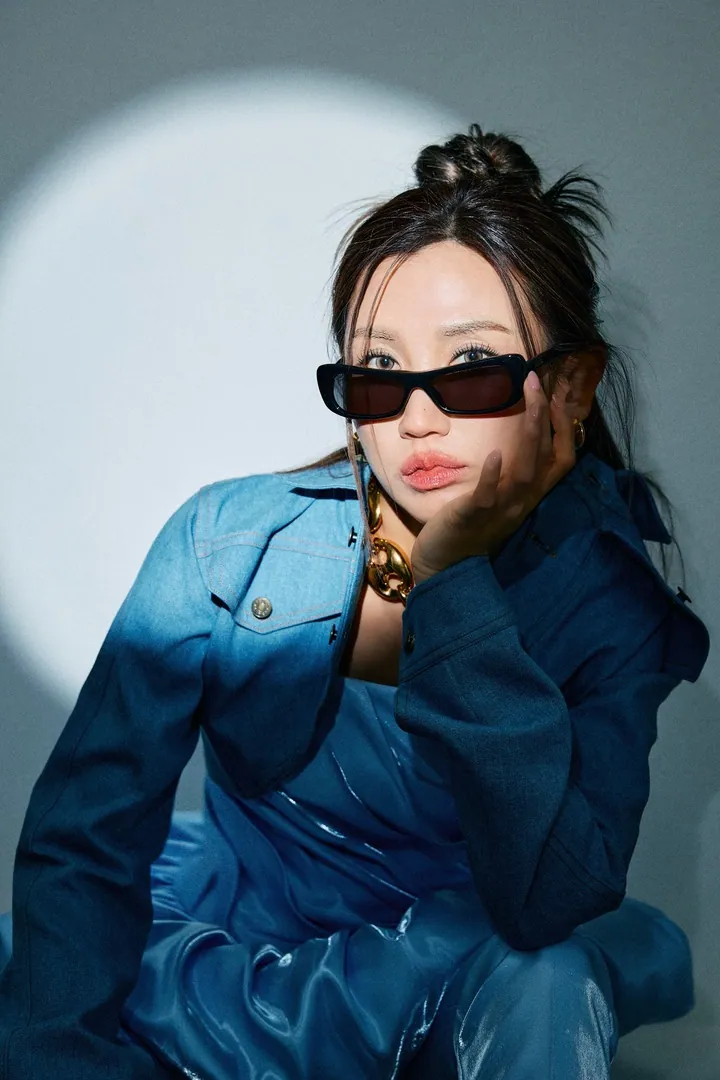
You’ve worked with NACHE CHAN across multiple songs. What makes that creative partnership work so well?
With NACHE, every project feels fresh because we work in different aspects of the song each time. Sometimes he’s the producer, sometimes he’s the writer—and that flexibility keeps things exciting. He has so many ideas to offer, from new sounds and instrument choices to samples I normally wouldn’t think of using. What I love is that he’s really open; I can come in with just a thought, a mood, or even one sentence, and he finds a way to bring it to life. He’s very good at keeping things simple but impactful, and at the same time he’s not afraid to explore. That balance makes it easy for us to work together—we complement each other well, and the result always feels honest and natural.
'Sugar' has such a fun vibe, which translates to its music video. Could you tell us a bit about filming its rom-com-inspired MV with Tor Thanapob?
Filming 'Sugar' really felt like stepping into a rom-com for a day. The song is playful and sweet, and I wanted the MV to capture that same energy. Tor brought so much charm and lightness, and the actress matched him perfectly—it was fun just watching their chemistry unfold. My role was a little different though—I got to be the cupid of the story, the one who makes them fall in love in a messy, unexpected way, with all the wrong turns and uncontrollable circumstances that love often brings. And yes, I also got to enjoy plenty of donuts on set, which definitely added to the sweetness of the whole experience. For me, the MV wasn’t just about acting out a love story, but about showing how joy can come from imperfection and surprises—just like in real life.
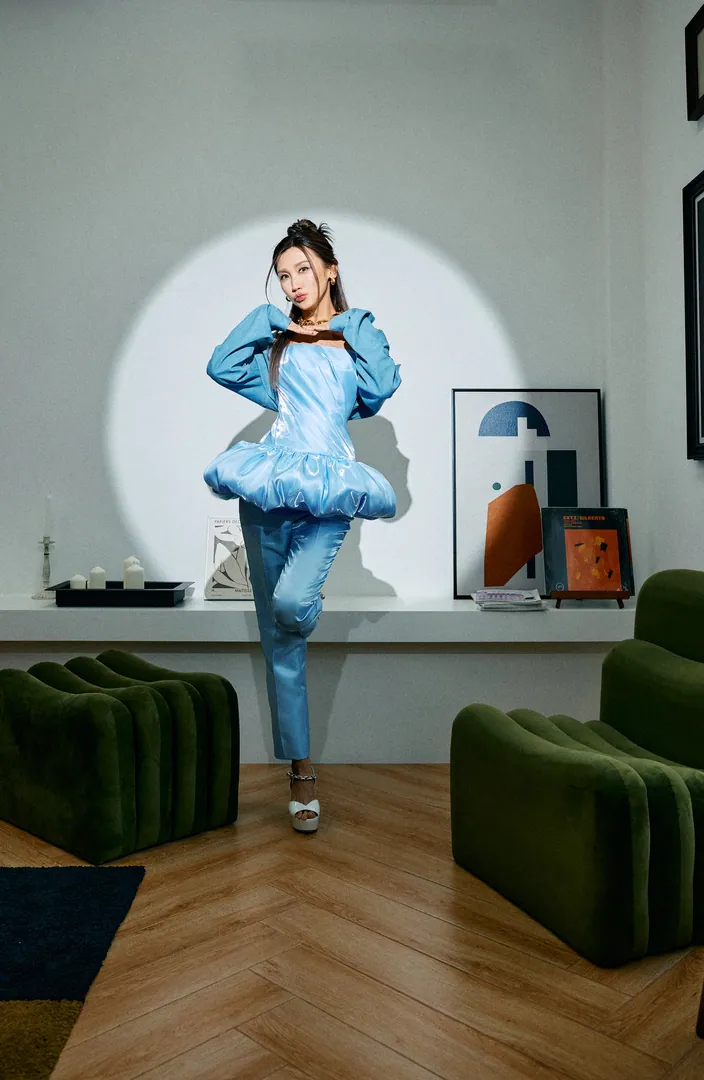
If OMW were the soundtrack to a film, what kind of story would it be?
I imagine it as a quiet road movie. Not the big, dramatic kind, but more about small, meaningful moments—sitting by a window on a train, wandering the streets at night, drinking coffee at 2AM, or waiting at the airport while thinking about life. The story wouldn’t be about a final destination, but about all the little stops and detours along the way. By the end, instead of a big grand ending, the film would close with something simple but powerful—like the sunrise coming in, and you realizing that the journey itself was the whole point.
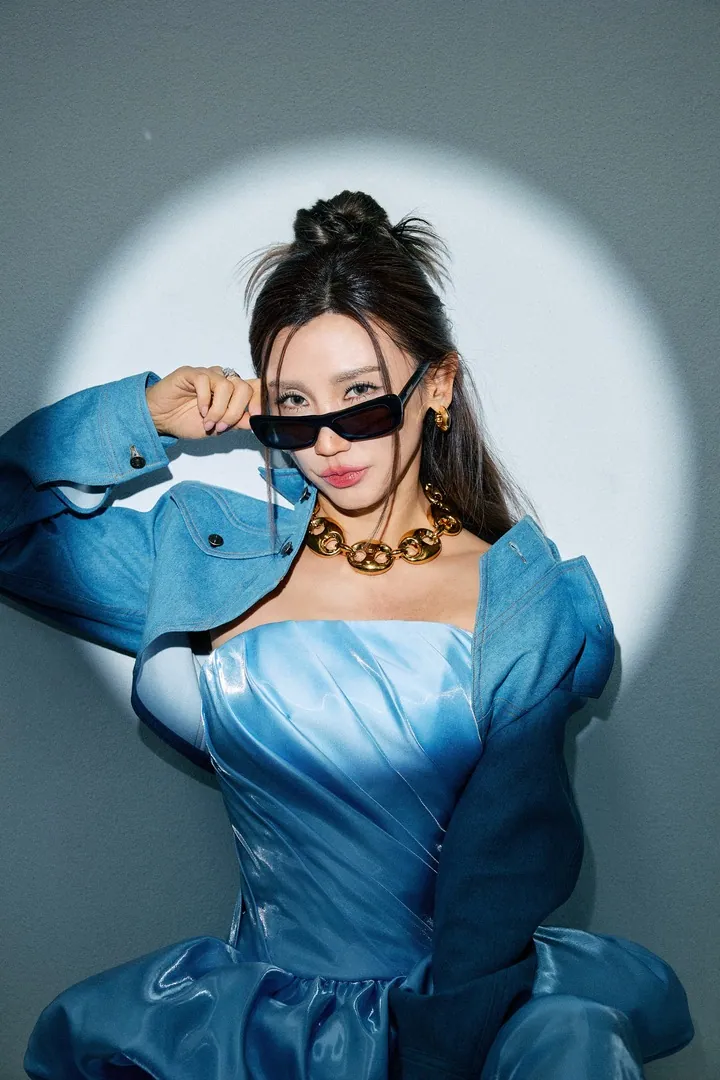
You started out with a classical music foundation — how has that training influenced the way you approach songwriting and arrangement today?
Classical music gave me structure—it taught me discipline, how to listen deeply, and how to shape emotions through harmony. Even though I’m making lo-fi pop-jazz now, that foundation still guides me. I also feel that classical music helps simplify the complexity of jazz. Jazz can be very advanced and technical, but with a classical mindset, it helps me interpret jazz in a way that feels more natural and friendly for people to listen to. That balance between structure and freedom is what shapes my sound today.
You’ve covered classics by Nat King Cole and Ella Fitzgerald — what have those jazz icons taught you about phrasing, emotion, or storytelling through song?
Nat King Cole and Ella Fitzgerald are two of my biggest inspirations. From Nat, I learned warmth and simplicity—how one sincere word can go straight to the heart without needing too much decoration. From Ella, I learned joy and timing—how to play with rhythm and use your voice almost like an instrument. Together, they showed me that music isn’t just about hitting the right notes, it’s about telling a story between the notes, in the pauses, in the little smile or sigh that listeners can feel even if they don’t see you. That’s something I always try to carry into my own music.
What’s one unexpected place or moment that sparked an idea you later turned into a song?
When things don’t go as expected, that’s when the questions always repeat in my head—why am I here, what’s my purpose, where am I going? These thoughts have been with me since I was young, but I never really put them into a song until now. When I started shaping this song, it felt like the right moment because it reflects exactly where I am in life—still searching, but learning to live with uncertainty. I shared this with the writer, WNRDA, and she immediately connected with it. The lyrics came almost instantly, and after just a little shaping together, the song captured that thought perfectly. For me, 'OMW' is the essence of who I am in both life and music style—pop, jazz, lo-fi, and a lot of faith, all blended into one journey of self-discovery.
Like what you read? Show our writer some love!
-