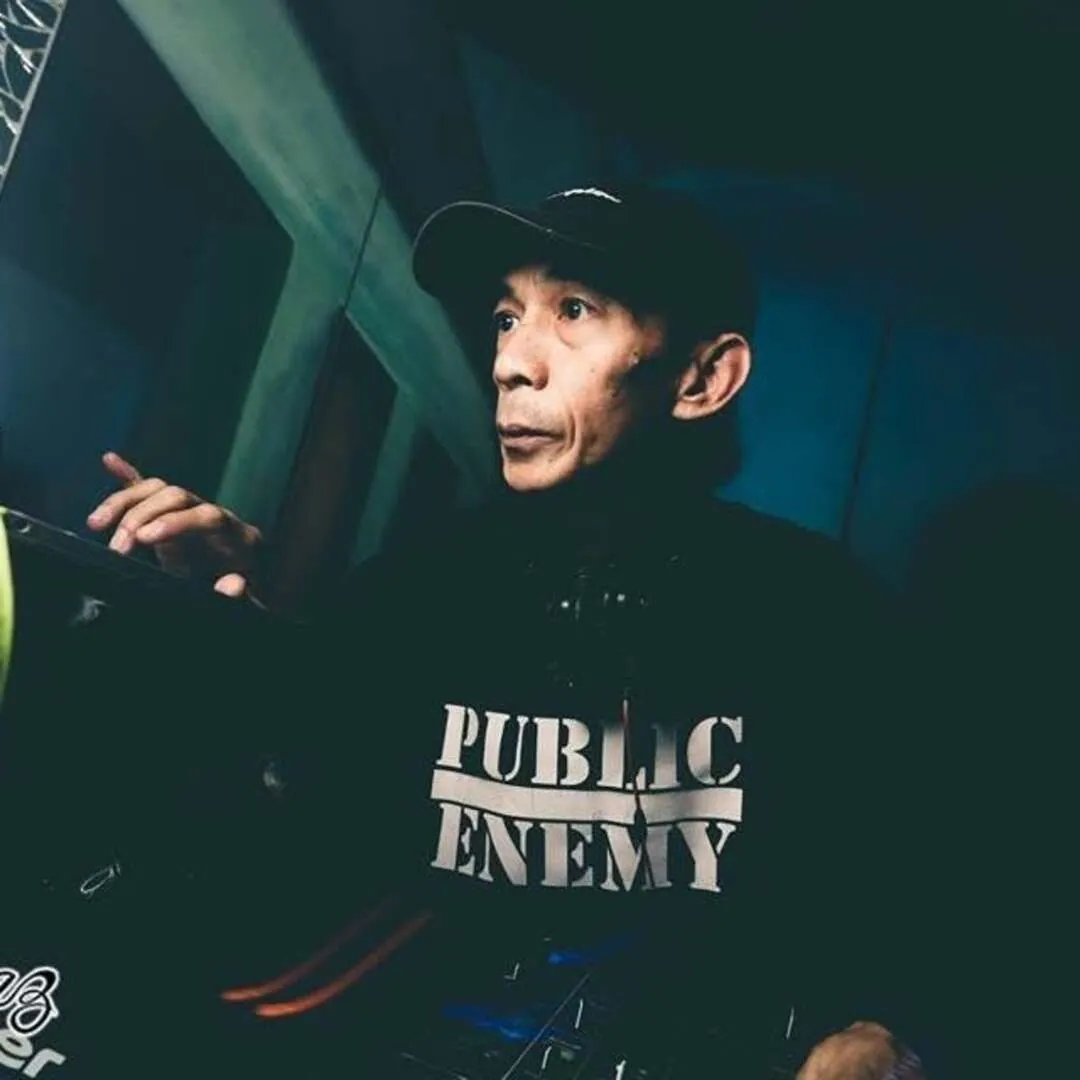
For decades, Andrew Chow, better known as DJ Wiz, helped define what hip-hop and R&B sounded like in Singapore’s clubs. A champion turntablist, influential resident DJ and generous mentor, his impact travelled far beyond the booth, reaching the DJs, dancers and club-goers who grew up around the scenes he helped build.
Chow died on 3 August at the age of 63. His daughter, Abby Bernadette Chow, announced the passing of her “dearest Daddy” in a Facebook post, thanking friends and fans for the messages that had poured in for him.
“I am glad to see all the sweet and touching messages and tributes to him,” she wrote. “He passed on peacefully and he would be so happy to know that you guys appreciate him so deeply.”
According to The Straits Times, Chow died of stomach cancer. He remained connected to Singapore’s DJ community in the final months of his life, appearing as a judge and performer at the DMC Warm-Up Battle at Kossa on 24 May.
The tributes that followed his death spoke to a legacy much larger than a list of championships or club residencies. Chow was remembered as a teacher, a brother, an inspiration and, for the dancers who spent their nights beneath his booth, a DJ who always seemed to know how to make a room move.
The sound of a night at Phuture
For many, Chow will forever be associated with Phuture, the room within Zouk where his sets became part of the rhythm of Singapore nightlife. He was the kind of resident DJ who did more than soundtrack a night. By introducing audiences to unfamiliar records, transforming favourites through his turntablist technique and reading the mood of the floor, he helped shape the identity of the space itself.
Zouk opened in March 1991 and became instrumental in bringing international club culture to Singapore. Phuture followed in December 1996, taking over the former MTV Bar and initially offering downtempo music, drum & bass, breakbeats and ambient sounds alongside the main club’s house-focused programming.
As Phuture evolved, it became one of the city’s defining homes for hip-hop and R&B. Chow, who had become part of Zouk’s DJ roster during the mid-1990s, was central to that identity, developing a reputation for sets that crossed old-school hip-hop, R&B, funk, soul, rock, big beat and breaks without losing their sense of direction.
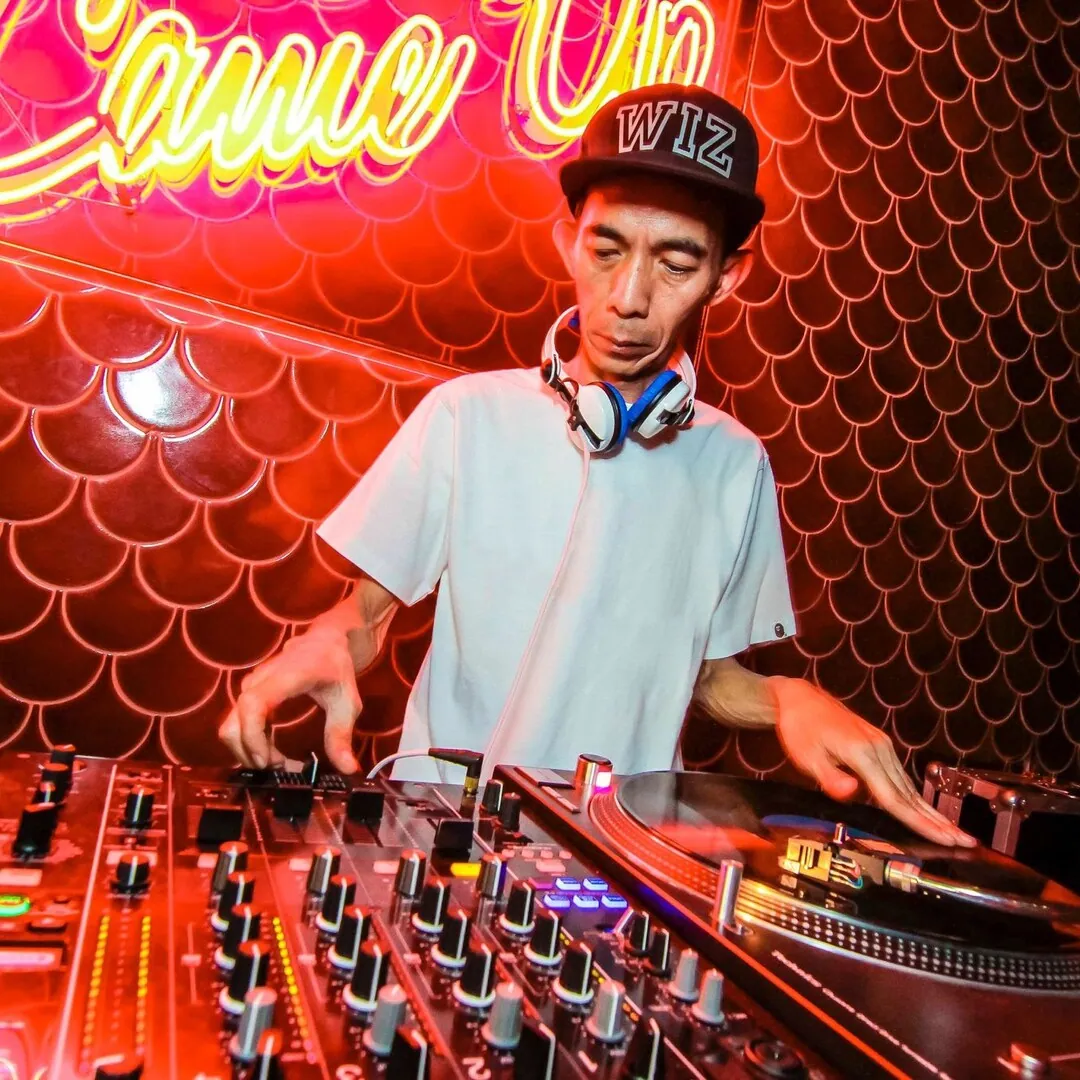
Chow moved effortlessly between slower grooves and harder, more energetic selections, weaving elaborate scratches and swift transformations into sets that felt both technically precise and instinctively attuned to the dance floor.
That balance was what made Chow such an enduring resident. A battle DJ could impress through precision, speed and dexterity, but a club resident had to build an entire evening, responding to the people in the room while guiding them somewhere they did not necessarily expect to go. Chow could do both, making difficult techniques sound effortless while keeping the dance floor at the centre of the experience.
His scratches did not feel like demonstrations inserted into a set. They became part of the music’s momentum — an accent before a drop, a burst of tension between songs or a sharp reminder that the person behind the decks was actively reshaping the records in real time. For regulars, a night at Phuture was not only about hearing the songs they loved; it was about hearing what Chow could do with them.
A champion who never lost sight of the crowd
Chow was a three-time DMC Singapore champion and won the Singapore leg of the Technics World DJ Championships in 1998. Those victories established him as one of the country’s leading turntablists during an era when the craft required years of physical practice, close listening and an intimate understanding of vinyl.
By the late 1990s, an archival newspaper profile was already presenting DJ Wiz as an experienced fixture in the scene. His rise coincided with a period when DJs were increasingly being recognised not only as people who selected records, but as musicians and performers capable of manipulating sound with their hands.
Scratching, beat juggling and rapid transformations brought a new physicality to hip-hop DJing. A skilled turntablist could isolate a fragment of sound, repeat it, cut it apart and rebuild it into something entirely new, often using little more than two turntables, a mixer and an exact sense of timing.
Chow had the control to thrive in that world, but his importance came from how naturally he carried those techniques into the club. He did not treat turntablism as something that belonged only in competitions or specialist showcases. Through his residencies, he placed the craft in front of mainstream audiences who might never have attended a battle but could immediately feel its effect on the dance floor.
His work showed that scratching did not have to interrupt a party. It could serve the rhythm, heighten anticipation and turn the transition between two records into a performance of its own. In Chow’s hands, technical mastery and crowd awareness were not opposing skills; they strengthened each other.
That ability made him an important bridge between two versions of the DJ: the competitor judged on precision and originality, and the resident entrusted with the emotional journey of a room. His titles confirmed what he could do behind the decks, but the loyalty of generations of club-goers revealed why it mattered.
Chow later became an in-house DJ at Kyo, extending a career that had already made him one of Singapore’s most recognisable figures in nightlife. As venues, formats and musical trends changed, he remained grounded in the fundamentals of selection, timing and knowing when a crowd was ready to follow.
Passing the craft forward
Some DJs leave behind recordings and memorable sets. Others leave behind students, protégés and entire networks of people who carry their knowledge into new rooms. Chow did both.
In 2001, he was teaching at AudioSports DJ Academy, where students could learn the technical foundations of the craft. An archival feature on the school identified DJ Wiz as both Zouk’s resident DJ and an instructor, placing him within one of the spaces where a younger generation first gained structured access to professional DJ techniques.
His role as an educator is crucial to understanding the scale of his impact. Singapore’s DJ community did not grow only through major clubs, international bookings or high-profile competitions. It also grew through lessons, practice sessions, equipment demonstrations, shared records and the informal passing down of knowledge from one practitioner to another.
Chow was part of that infrastructure. He had spent years mastering the details of phrasing, timing, scratching and mixing, but he did not keep that expertise to himself. By teaching, mentoring and sharing what he knew, he helped lower the barriers for younger DJs trying to find their own place in the scene.
Teaching DJing involves more than explaining how to use equipment. It means training someone to listen for the structure of a song, recognise the moment when two records can meet and develop the confidence to make decisions while an audience is watching. Chow helped younger DJs build those instincts, and his influence continued whenever one of them stepped into a booth or passed the craft on again.
Where the DJs met the dancers
Chow’s role in Singapore’s hip-hop story also extended beyond the DJ community. His years at Phuture placed him in direct conversation with the dancers, breakers and crews who gathered around the music he played.
According to Radikal Forze’s account of its history, Chow helped spark the formation of Radikal Forze after watching b-boys dancing during his nights at Phuture in 1998. While the collective’s complete origin story belongs to the dancers who formed and developed it, the account reflects how closely Chow’s booth was connected to the movement happening on the floor below.
That relationship captures what a club such as Phuture could become at its best. The DJ and the dancers were not operating in separate worlds. Breakers responded to the drums, breaks and rhythms coming from the speakers, while their movement encouraged DJs to search for records that could challenge them, energise a cypher or keep the exchange alive.
Chow stood at the centre of that conversation. He was not simply playing hip-hop to a passive audience; he was helping create the conditions in which a community could form around it. The records became meeting points, connecting people who might later build crews, organise events, teach others and shape Singapore’s wider hip-hop culture.
His influence therefore cannot be measured only through the number of people who watched him perform. It also lives in the relationships that began in those rooms, in the dancers who found one another through the music and in the communities that continued growing after the lights came on.
From competitor to custodian
As Singapore’s turntablism scene developed, Chow’s role evolved. He remained a performer, but he also became one of the veterans entrusted with recognising and encouraging the next generation.
By then, he had moved from champion to mentor, and from resident to custodian of the culture. His presence connected a new generation of DJs to a history built through vinyl, mixers, record bags, repeated practice and the patience needed to master a physical craft.
Chow continued performing across Singapore’s nightlife circuit, appearing at Phuture celebrations, ZoukOut and a multitude of notable bars and clubs around the country. These bookings were more than exercises in nostalgia. His sets allowed different eras of club music to meet, showing how records from the past could still create an immediate response in the present.
He belonged to a generation that experienced several major changes in DJ technology, from vinyl and early digital systems to contemporary software and controllers. Yet equipment was never the defining feature of his performances. What endured was his ear, his touch and his understanding of how to turn individual songs into a shared experience.
“He was a teacher and a brother”
Chow’s final public engagement brought him back to the competitive culture that had helped establish his name. At the DMC Warm-Up Battle on 24 May, he performed and served as a judge despite having been unwell, remaining present in the community he had spent decades nurturing.
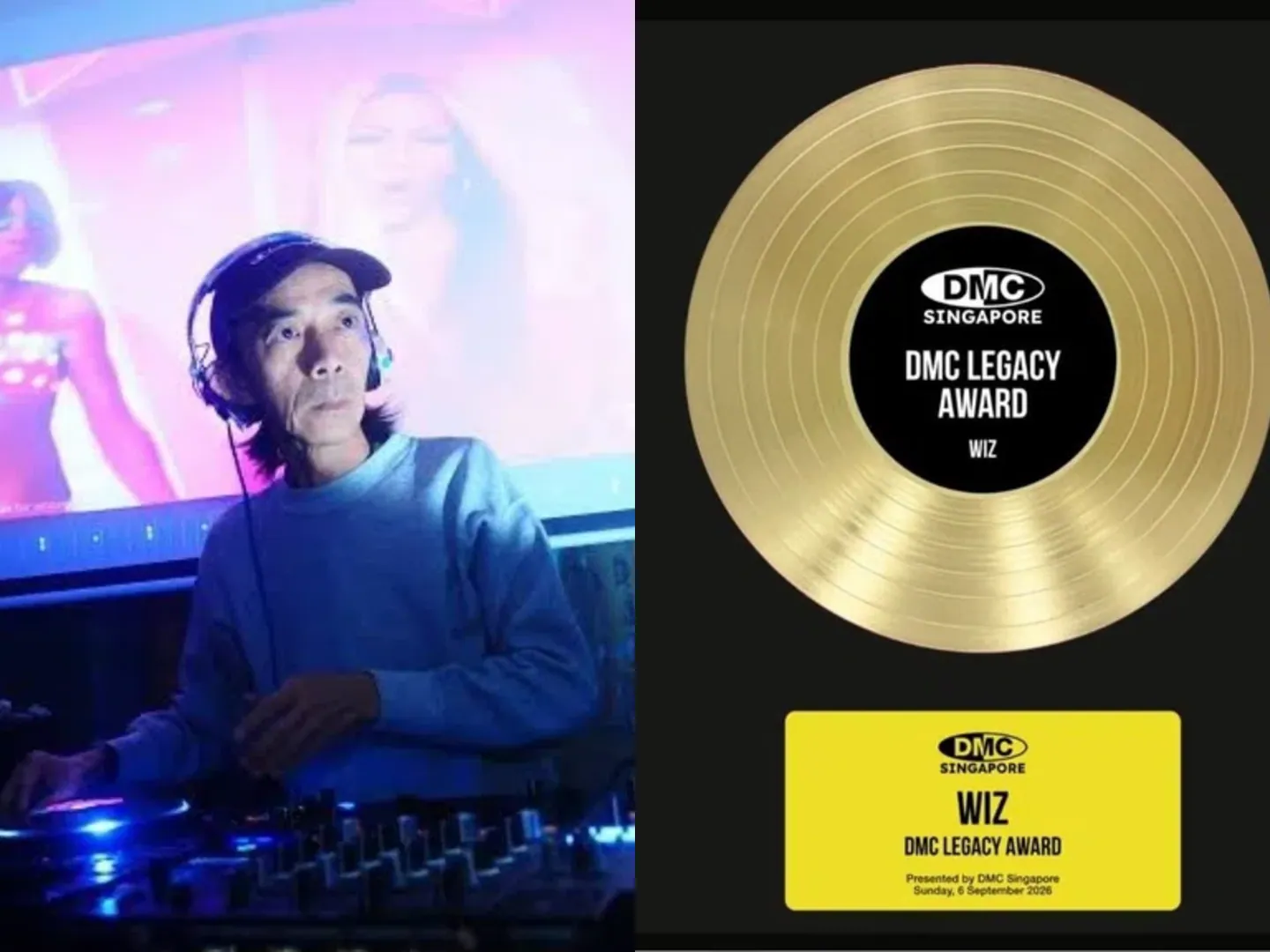
He was also due to receive the DMC Legacy Award at DMC Singapore, scheduled to take place at RASA on 6 September. According to The Straits Times, the award was intended to recognise his lasting contribution to Singapore’s turntablism and DJ culture.
Following his death, the people who had worked beside him and learnt from him remembered both the performer and the person behind the decks. KoFlow spoke of a legacy that would continue through the DJs and turntablists Chow had influenced and helped cultivate.
Kavan Spruyt, the founder of RASA, remembered watching Chow command Phuture and described him as “invincible during his prime”. DJ Small, whose real name is Eddie Chan, remembered him as “a teacher and a brother”, praising his deep musical knowledge and his ability to mix and scratch across genres.
Those tributes revealed how Chow’s technical reputation was inseparable from his generosity. He was admired for what he could do, but loved for how willingly he shared it — through formal lessons, quiet encouragement, nights spent performing beside younger DJs and the example he set each time he approached the decks.
Abby’s statement gave those memories their most personal frame. Her words were not about trophies, residencies or status. They were about how happy her father would have been to know how deeply people appreciated him.
That appreciation is the real measure of Andrew Chow’s career. It can be found in the DJs he taught, the turntablists he inspired, the dancers who gathered beneath his booth and the club-goers who still remember the precise moment when one of his mixes changed the energy of an entire room.
For some, the memory will be of a scratch cutting sharply through the speakers. For others, it will be a familiar record arriving at exactly the right moment, or the sight of a packed Phuture dance floor responding as one.
Chow helped show Singapore that DJing could be several things at once: a technical discipline, a performance, a profession and a way of bringing people together. The music eventually had to stop, but what he set in motion did not.
Like what you read? Show our writer some love!
1