For years, Picheolin has lived comfortably as one of SEVENTEEN's most beloved recurring characters — a "nosy, yet kindhearted ahjussi" whose comedic charm has endeared him to CARATs. In 吉BOARD, however, DINO asks a different question: What happens when the character steps out of the skit and into an album of his own?
The answer unfolds across seven tracks that revisit different generations of Korean music. Rather than feeling like a collection of nostalgic experiments, 吉BOARD gradually builds a musical identity for Picheolin — one that's playful, heartfelt and unmistakably him. And in doing so, the album also offers a glimpse of DINO — not behind Picheolin, but through him.
To mark the release of 吉BOARD, Bandwagon spoke with DINO about transforming Picheolin into a fully realised musical persona and the experience of creating his first solo project.
Your previous solo releases, including ‘Wait’ and ‘Trigger’, have shown different sides of you as DINO. For your first solo album, however, you chose to step into a beloved and familiar character, Picheolin. What made you feel that this was the right character – and the right moment – to build an album around?
I spent a lot of time asking myself what I could offer that no one else could. Ultimately, Picheolin became my way of bringing a fresh style both sonically and visually, as well as a platform connecting people across generations.
Picheolin has existed for several years, but creating an album around him requires building not just a character, but a musical identity as well. How did you begin translating his personality into the sound of 吉BOARD?
I wanted to pack this album with Picheolin’s playful charm, humor, and philosophy on life. Far beyond lighthearted fun, my hope was to infuse the music with Han* (the bittersweet emotional depth) and Eol* (unbroken spirit) at the heart of Korean culture, creating a festive chaos where everyone can connect.
*Han: A uniquely Korean sentiment encompassing deep sorrow, resilience, and an underlying hope.
*Eol: The collective spirit, soul, and shared consciousness that forms the core identity of the Korean people.
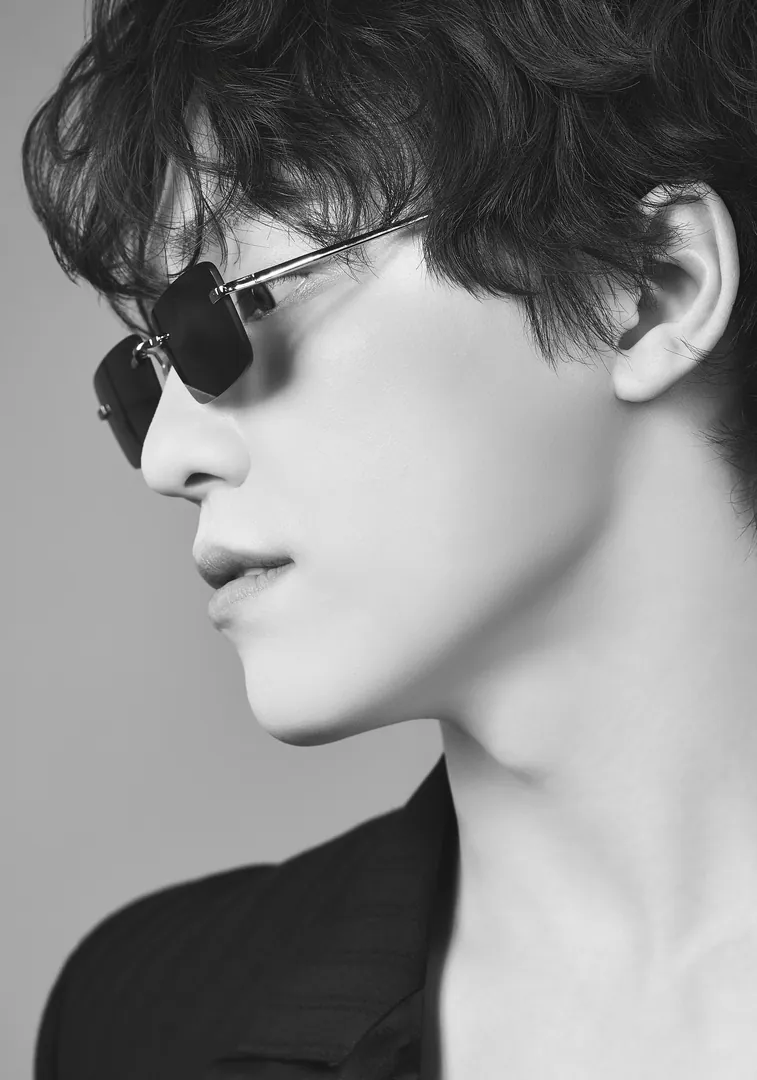
“I usually have a lot on my mind and reflect deeply on life, but Picheolin feels like a space where all those thoughts naturally turn into something much more intuitive, warm, and playfully honest.
Picheolin may have started as a character, but 吉BOARD is ultimately still a body of work created and performed by you. In what ways does Picheolin reflect who you are as DINO, and what has creating music through him allowed you to express that you might not have otherwise?
I’d love for listeners to pay close attention to the lyrics of 吉BOARD. While we all live different lives, I believe the core emotions we feel aren’t all that different. Picheolin gave me the freedom to express those raw, honest stories in a much more unfiltered way. And because I was very involved in the entire songwriting and production process, every part of this album is naturally infused with who I truly am.
吉BOARD moves across several generations of Korean music, from sounds rooted in the past to ones much closer to the present. What drew you to revisit those different eras, and what made them meaningful to both Picheolin's story and your own journey as an artist?
First, I really wanted to capture the full spectrum of life’s joys and sorrows, which led me to concepts that best fit each of those emotions. As taking on my first solo EP was a major challenge, it brought me a deep sense of responsibility—one that I’ll carry with me as I look ahead to my next album as DINO.
The album marks DINO's first solo EP, but it also builds on years of creating within one of K-pop's most successful self-producing groups. Working alongside longtime SEVENTEEN collaborator BUMZU while welcoming new collaborators such as HITCHHIKER and DEUX's Lee Hyun-do, DINO carried the same collaborative mindset that has long defined SEVENTEEN into every stage of the album's creation.
SEVENTEEN has always been known for its collaborative approach to music. What lessons did you carry into 吉BOARD from working with the members, and how did they react when they heard the album?
For me, it really comes down to the importance of communication. What matters most is staying connected with everyone involved to incorporate each perspective, whether from the artist or the songwriter. That’s why I made sure to have open discussions throughout the entire process.
What stuck with me most was just how warmly the members responded. Seeing them vibe so naturally with each track was amazing, and their encouragement to trust myself and stay confident gave me a real boost.
You've grown up alongside SEVENTEEN, and you're now entering a new chapter as a solo artist. Looking ahead to the group's 13th anniversary, what do you hope you'll have discovered about yourself as an artist by then?
Above all, I want to bring out my strengths to their fullest potential. For me, that means uncovering my untapped musical colors and sharing stories that feel completely and uniquely my own.
View this post on Instagram
“We all have different tastes when it comes to what’s cool, but my hope for this album is that it brings a sense of freshness and opens up a new perspective for everyone who listens.”
While 吉BOARD introduces listeners to another side of Picheolin, it also quietly marks the beginning of DINO's own journey as a solo artist. Across seven tracks that celebrate life's small joys, lingering heartaches and everything in between, the album never dwells in one emotional space for too long. Whether it's the infectious exuberance of ‘Party Rock Rock’ or the wistful longing of ‘Love Sick’, 吉BOARD ultimately feels like music people can celebrate, laugh with, and find comfort in — long after the songs themselves have ended.
One last question — this time for Picheolin himself. If you had to personally sell someone a copy of 吉BOARD on the street, what would your sales pitch be?
Youngsters, older folks, and kiddos—gather ‘round~ Give this album a spin and follow my lead! Now… 사랑의 눈빛! (Eyes of love!) 😎
Listen to 吉BOARD here:
Like what you read? Show our writer some love!
9