
For Two Door Cinema Club, revisiting Tourist History has meant returning to the loft above Alex’s garage, the possibilities of a drum machine, and the instincts of their teenage selves. The Northern Irish trio’s debut became a soundtrack to growing up for countless listeners, but making it was a much less calculated affair: a handful of instruments, recording software limited to 14 tracks, and songs they would write in an evening before moving on to the next idea.
Looking back, the band are struck by how well those songs have held up. They suggest that feeling detached from a particular scene, once a disadvantage, may have helped the music outlast its moment. Revisiting it has also brought their growth into focus, from learning to accept each other’s criticism to recognising when the freedom of having more options can get in the way of making music.
Ahead of their 4 December show at Fort Canning Green, Fort Canning Park, where they will celebrate Tourist History alongside favourites from across their career, Two Door Cinema Club speak to Bandwagon about rediscovering old songs, keeping their live performances fluid, and learning to be kinder to one another.
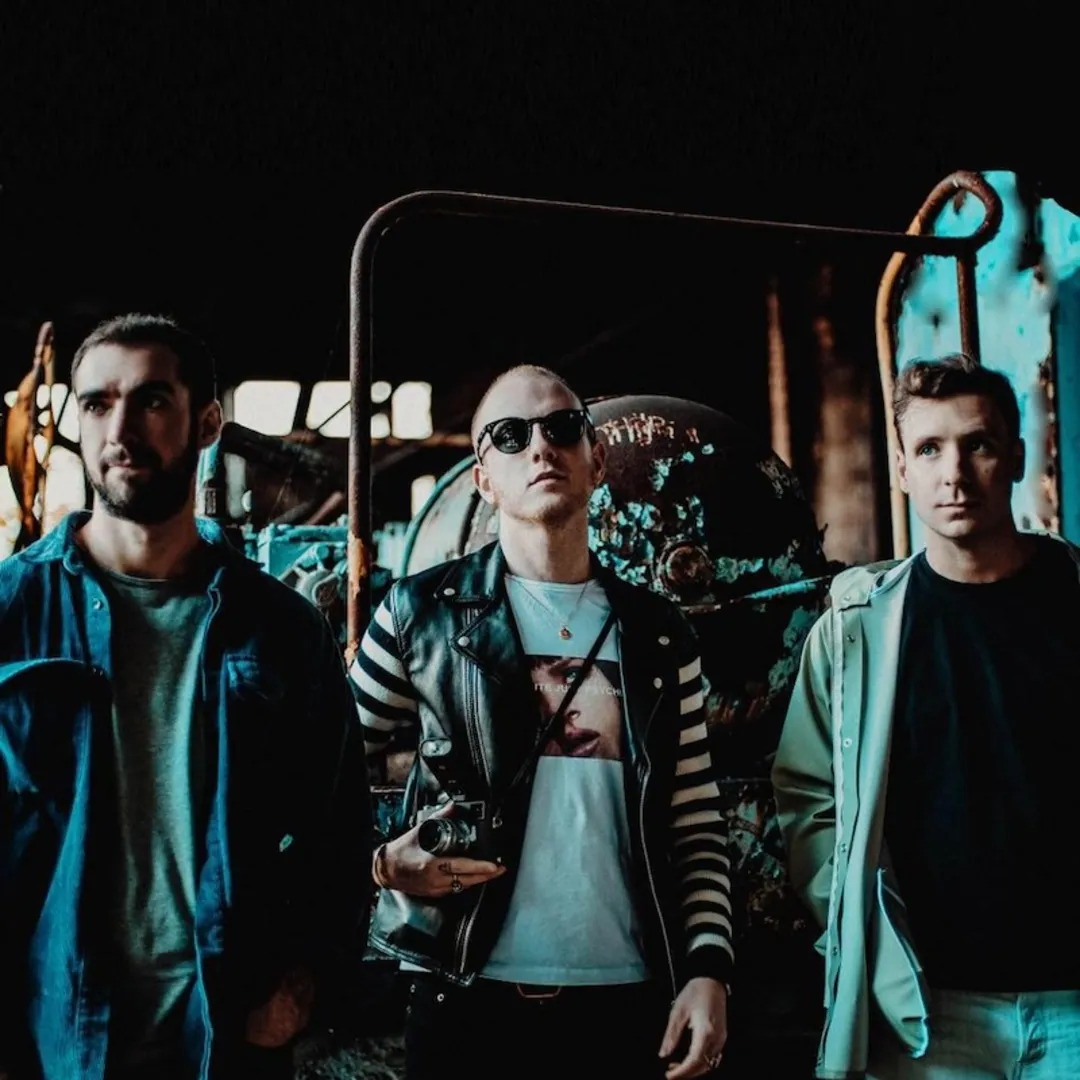
Coming back to Tourist History all these years later, what has surprised you most about the songs you wrote and the musicians you were at the time?
Probably how well they still hold up today after all these years. I think, aesthetically speaking, they don’t seem super outdated. We weren’t really part of a "scene" when we started, which felt like a hindrance at the start, but I think sets us apart now in that the music doesn’t necessarily sound of a particular time or place.
When you think back to writing those songs in Northern Ireland, what were the three of you hoping music would open up for you? How different was that from what actually happened?
I think we were probably very naive! I think looking back at how many bands there were around us at the start and how many still remain today means we are very lucky. We didn’t really ever set huge goals. It was always about what was next. Our first tour outside Ireland. Our first single on a label. Getting a manager. Getting an agent, etc., etc.
We never imagined being able to tour Asia or America and sell out venues like Madison Square Garden. That would have been delusional!
The interplay between the guitars is such a distinctive part of Tourist History. Do you remember a moment when something you played together first felt like a sound you could call your own?
Not really, to be honest. We have played together in bands since we were like 15. We loved similar bands, and I think we were emulating them, probably!
I think starting TDCC and using a drum machine opened up more doors than it closed musically at the start. We were able to change tempo and styles at the click of a few buttons, and very few bands were doing that back then. I think that was the thing that probably set us apart at the start. It had its limitations from a live perspective, which is why we recruited a fantastic drummer once the touring got a bit bigger.
Playing the whole album means giving the deeper cuts the same space as ‘What You Know’ and ‘Undercover Martyn’. Which track are you most curious to see audiences connect with, and what do you wish more people noticed about it?
We’ve been playing ‘You’re Not Stubborn’ for the first time in forever, which has been fun. It feels like a good time, and being the album closer makes it a bit special.
These songs hold memories for listeners, but they also document a particular period of your own lives. Has a song taken on a different meaning for you from the one fans tend to attach to it?
Some of the ones we haven’t played in a long time definitely feel like a time capsule of us jamming in the loft above Alex’s garage. A song aptly named ‘Kids’ is one we have taken back out for this run. It didn’t make the album, but it’s fun and is a reminder of that time.
Learning it again, there’s loads we would change and do differently. It’s hard not to be analytical about something you haven’t listened to in years and have forgotten! So it’s nice that that isn’t allowed, and you just have to step back into the shoes of your 16-year-old self.
When you perform the album now, where do you want to stay faithful to the original recordings, and where do you let the musicians you’ve become take over?
Yeah, sometimes it’s more about the crowd having a good time than us fulfilling our musical interests, to be honest! No one wants to watch a 30-minute free-form jazz jam over the intro to ‘Undercover Martyn’.
We play around with links between songs, though, and add some musical embellishments to intros and outros. That keeps it fresh for us, tickles a musical itch, and makes the show more snappy and interesting, I think. We want it to feel a bit more like a fluid show, like a DJ set, I guess.
How has the way the three of you challenge each other creatively changed since your debut? What can you say to one another now that you might have struggled to say back then?
I think the influence pool has gotten a lot bigger, and our worlds have gotten a lot bigger. There probably was less to challenge early on, as we all liked the same 10 bands!
We definitely struggled with that, but I think now it’s easier to be open and easier to receive criticism from each other. We don’t live together and spend every minute with each other, which probably helps. With age and experience, I think we are much kinder and more respectful to each other.
A debut that means so much to people can become a reference point for everything that follows. How have you learnt to trust a new musical idea when it takes you away from what listeners first loved about the band?
I think it helped that Tourist History didn’t feel like an instant hit. It seems to have taken a while for it to get through and be a lasting album. We had probably naturally moved forward musically to the next thing before that happened.
We have never been able to clinically write music for other people. It’s always been a reflection of what we are into at the moment, I think.
Has spending time with Tourist History again reminded you of any instincts or ways of working that you’d like to bring into whatever you make next?
Yeah, we probably weren’t as hard on ourselves. It was maybe more instinctive in a way. We used to write a song or an idea in an evening and move on to the next thing.
We had way more limitations, too. Like, we could only have 14 tracks on our recording software. We only had our guitars and a MIDI keyboard and a Casio. Sometimes today there are too many options and too much noise.
View this post on Instagram
At your upcoming Singapore show, you’ll play Tourist History in full before a second set of favourites from across your career. What story would you like those two halves to tell Singapore fans about who Two Door Cinema Club were then and who you are now?
Yeah, the album kind of bookends the set, which is nice. The first section shows where we started. The middle is some of the best of what came next. And the ending is back to Tourist History for the afterparty.
We just want to celebrate our career to this point with the fans, really. We wouldn’t be here today if the first album was a flop, so thank you for the love and getting us to this point!
Two Door Cinema Club perform at Fort Canning Green, Fort Canning Park, on 4 December at 8 PM. Get tickets via LAMC Presents.
Like what you read? Show our writer some love!
-