From mosh pits to dangdut ring dances, AXEAN Festival 2026 made a case for just how wide — and connected — Southeast Asia’s music landscape can be.
Held at Jimbaran Hub in Bali, the festival’s latest edition welcomed more than 4,000 attendees across its three-day run, including private events. The figure was nearly double the previous edition’s attendance, bringing artists, fans, delegates, and music professionals together for live performances, conversations, and plenty of cross-border discovery.
At the heart of the festival was the music itself. Across three stages supported by TuneCore and EMPIRE, AXEAN offered audiences a chance to move between sounds, scenes, and cultures — sometimes within minutes.
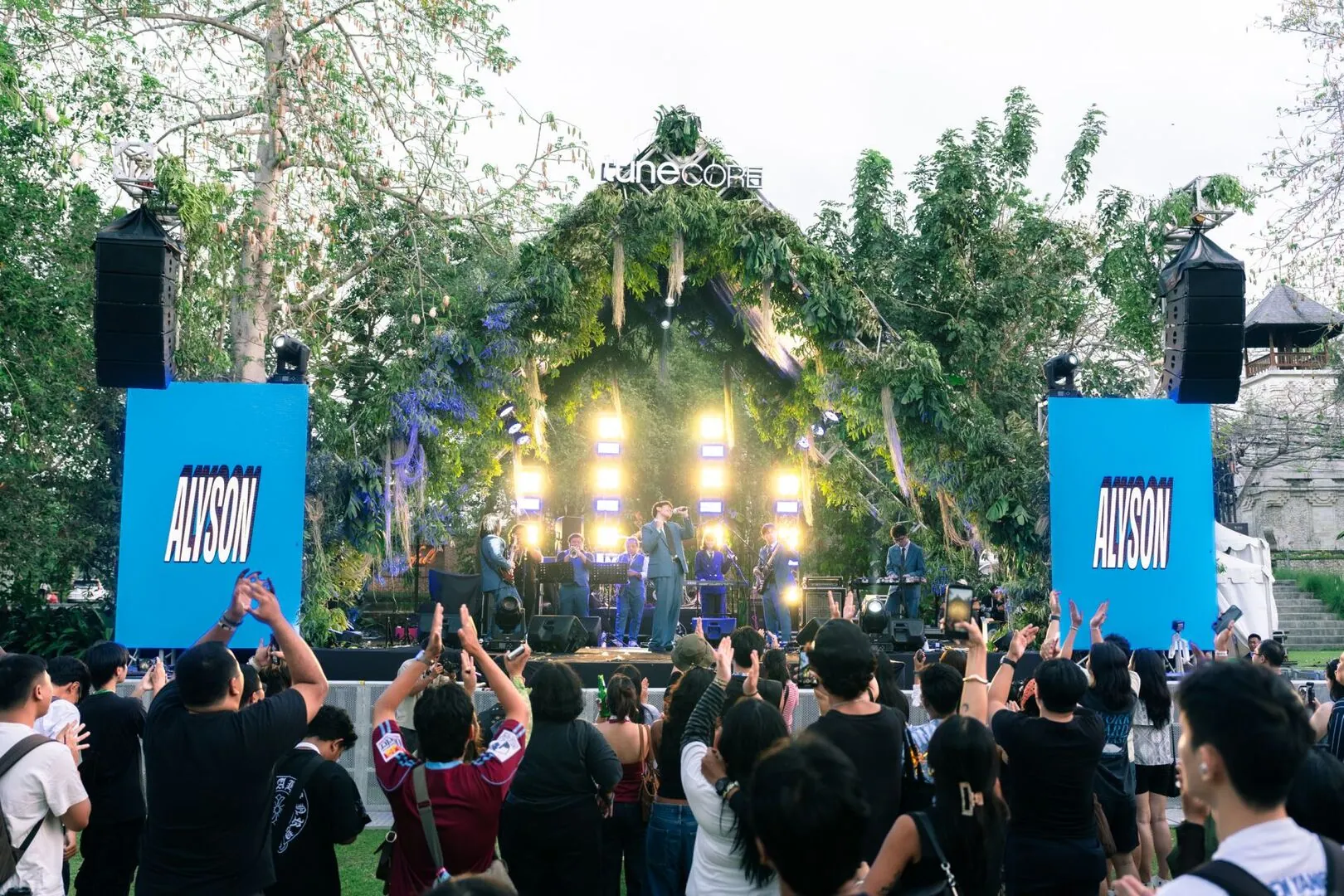
“I love seeing people enjoy music regardless of genre, style, or language,” shared AXEAN Festival co-founder and co-team leader Piyapong Muenprasertdee, also known as Py. “At AXEAN someone might be moshing in a pit one minute and joining a dangdut ring dance the next, which is exactly what happened this year.”
That spirit came into full view during Ndarboy Genk’s set. Bringing together dangdut, koplo, and Javanese pop, the Indonesian headliner turned the crowd into a communal dance floor — the kind of genre-crossing exchange AXEAN was built to encourage.
Bali became part of the festival itself
Returning to Bali for the third consecutive time also allowed AXEAN to deepen its ties with the island’s creative community.
According to Py, the addition of more popular Indonesian acts helped bring in a larger local audience. Beyond Jimbaran Hub, the festival partnered with Craft Hotel in Ubud and Amplitude skate park in Seminyak for pre-event activities, including panel discussions and performances by Balinese artists.
The festival grounds also expanded beyond the traditional showcase format. A Southeast Asian street food hawker centre and an arts and crafts area opened up the experience to younger attendees and families, adding another layer to the community atmosphere.
Connections happened onstage and off
AXEAN’s role as a meeting point for the regional music industry remained just as important as its live programme.
Speed meetings, pitching sessions, and panel discussions connected music professionals from different markets, while partner activities included brunches hosted by Sounds Australia, Korea Spotlight programming by the Korea Creative Content Agency (KOCCA), and initiatives involving France’s Centre national de la musique (CNM).
View this post on Instagram
A VIP lounge supported by The Orchard and the festival’s closing after-party gave artists and delegates more informal spaces to meet beyond scheduled sessions.
The result reflected AXEAN’s larger purpose: not simply putting Southeast Asian artists onstage, but creating opportunities for the people behind the region’s music to meet, exchange ideas, and build relationships.
KEXP made its first move into Asia
One of the edition’s biggest developments happened beyond the festival stages.
AXEAN partnered with KEXP for the Seattle-based music platform’s first-ever presence in Asia, becoming its first Asian festival partner for Live at KEXP. 12 Southeast Asian artists filmed and recorded performances at Locca Sea House and Puri Bhagawan, two locations overlooking the sea from Jimbaran’s cliffs.
View this post on Instagram
“KEXP reaches an international audience that Southeast Asian artists rarely get in front of,” Py said. “This time, twelve of them are now in it.”
For a festival built around music discovery and export, the collaboration extended AXEAN’s mission beyond the people physically gathered in Bali and towards a wider international audience.
Building a bigger Southeast Asian music ecosystem
Since launching during the pandemic, AXEAN Festival has developed from virtual editions into an in-person meeting point for the region. Across seven editions, it has featured more than 290 artists from 23 countries, welcomed over 530 delegates from 36 countries and territories, and drawn close to 22,000 live attendees, according to festival figures.
Its latest Bali edition showed what those numbers can look like on the ground: fans moving between genres, artists finding new audiences, and industry professionals meeting counterparts from across Asia and beyond.
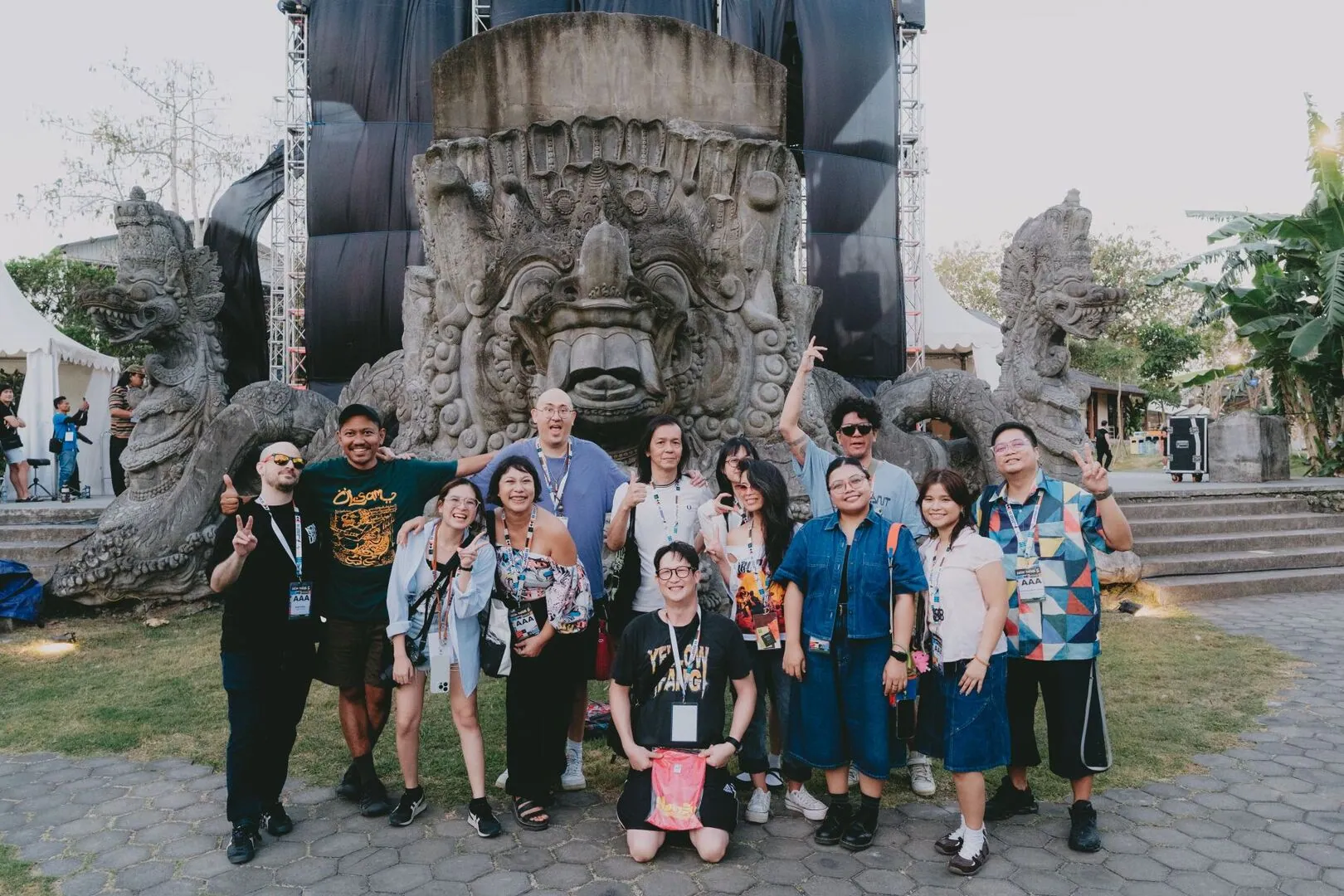
AXEAN is already looking towards its next edition, alongside complementary initiatives including a post-festival songwriting camp. Music discovery and export will remain central to that direction.
“Our long-term vision is to raise the Southeast Asian music ecosystem and strengthen its place within the wider Asian one,” Py shared.
If this edition was anything to go by, that ecosystem is increasingly finding a place to meet — and dance — together in Bali.
Like what you read? Show our writer some love!
-