
On 29 November, J-pop legend Ayumi Hamasaki stood under the lights of Shanghai Oriental Sports Center — and delivered a full concert set to 14,000 empty seats.
The show was never meant to be silent. But just one day before, organisers abruptly cancelled the concert, citing “force majeure” amid escalating diplomatic tensions between China and Japan. Hamasaki’s concert wasn’t the only casualty. A slew of Japanese music events, including a multi-day anime celebration in Shanghai, were axed or interrupted as relations between the two nations soured following controversial remarks from Japanese Prime Minister Sanae Takaichi about Taiwan.
She said that an attack by China on Taiwan may amount to a "survival-threatening situation" that may trigger a military response from her government.
View this post on Instagram
Hamasaki’s team — a crew of over 200 Japanese and Chinese staff — had spent five days constructing the elaborate stage setup. After the shock cancellation, the singer chose to go ahead with the performance anyway, despite fans being barred entry.
“In that silent space, I felt an overwhelming wave of emotion,” Hamasaki shared on Instagram. “It became one of the most unforgettable shows of my life.”
The move was both a personal gesture to the team and a symbolic one to fans — a reminder that music transcends borders, even when politics intrude.
View this post on Instagram
Hamasaki’s cancelled concert is part of a wider pattern. Over the past month, a growing number of Japanese artists — including veteran jazz musician Yoshio Suzuki and singer Kokia — have seen their events in China quietly cancelled or delisted. have also been cancelled.
The most jarring moment came at Bandai Namco Festival 2025 when singer Maki Otsuki was abruptly cut off mid-performance and escorted off-stage by staff. The remainder of the event was cancelled on the spot. Otsuki, who sings the theme song for ONE PIECE was midway through a song when the lights and sound were cut off.
Local authorities have not issued official explanations, but insiders suggest these actions are linked to strained political relations, with Beijing using cultural channels to send a message.
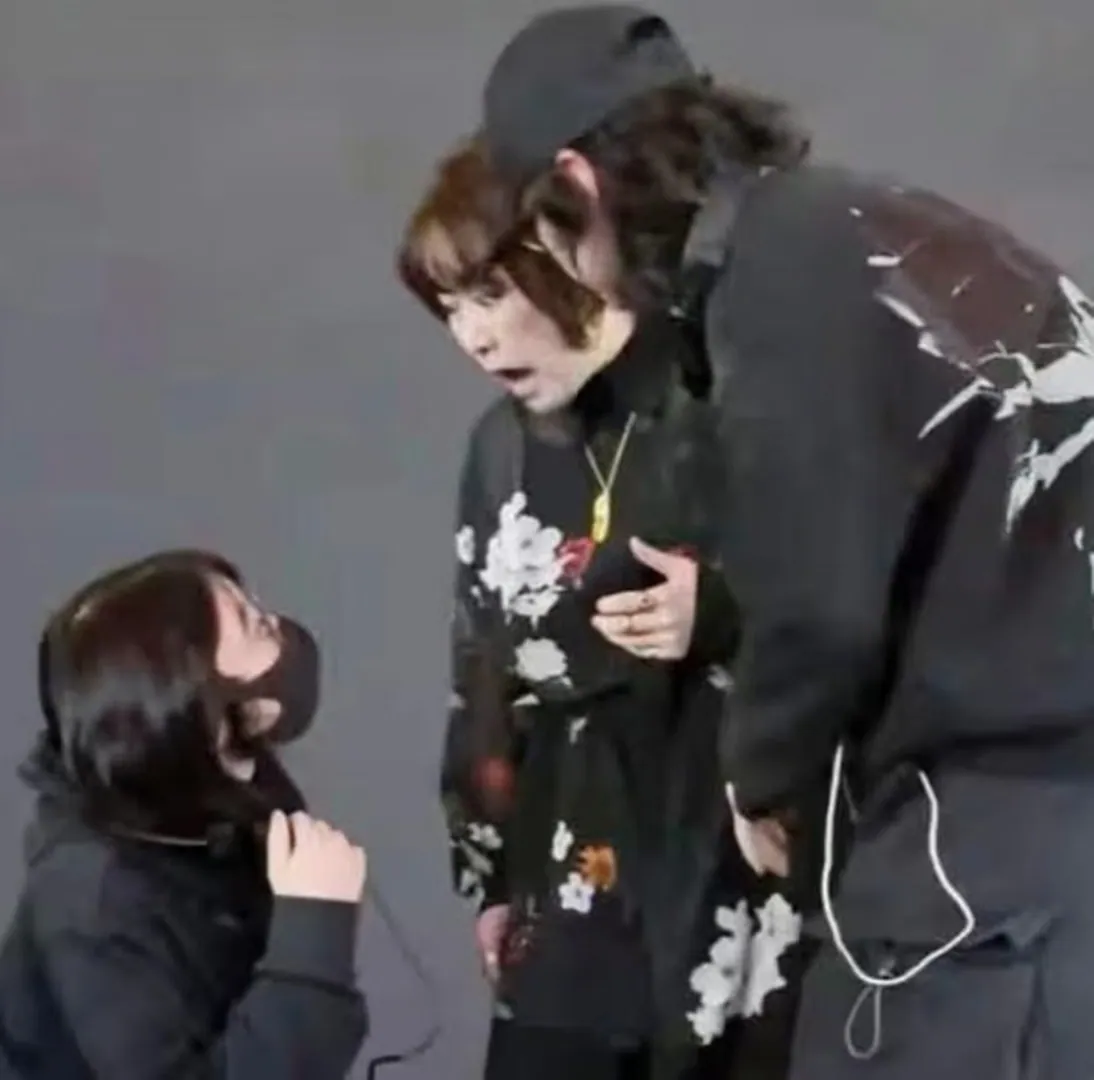
The cancellations have left Chinese fans frustrated and heartbroken. According to reports, some gathered at Hamasaki-themed cafes in the aftermath, only to find promotional materials removed and police presence outside the venues.
As fan accounts trend online and international media highlight the wave of cultural shutdowns, one thing is clear: Japan’s pop culture, long adored by fans across Asia, is now caught in the crossfire of geopolitics.
Like what you read? Show our writer some love!
-