
HYBE has come under scrutiny after placing 48th out of 50 companies in a corporate human rights due diligence evaluation conducted by the Korean Bar Association in collaboration with Human Asia.
The K-pop giant—home to global acts including BTS—scored just 2.25 out of a possible 12 points in the 2026 assessment, which was presented at the Corporate and Human Rights Reporting conference held at the Korea Chamber of Commerce and Industry on 21 April.
The evaluation, based on the internationally recognised Corporate Human Rights Benchmark (CHRB) framework and aligned with the UN Guiding Principles on Business and Human Rights, assessed companies across several categories including policy commitments, internal governance, due diligence processes, and grievance mechanisms.
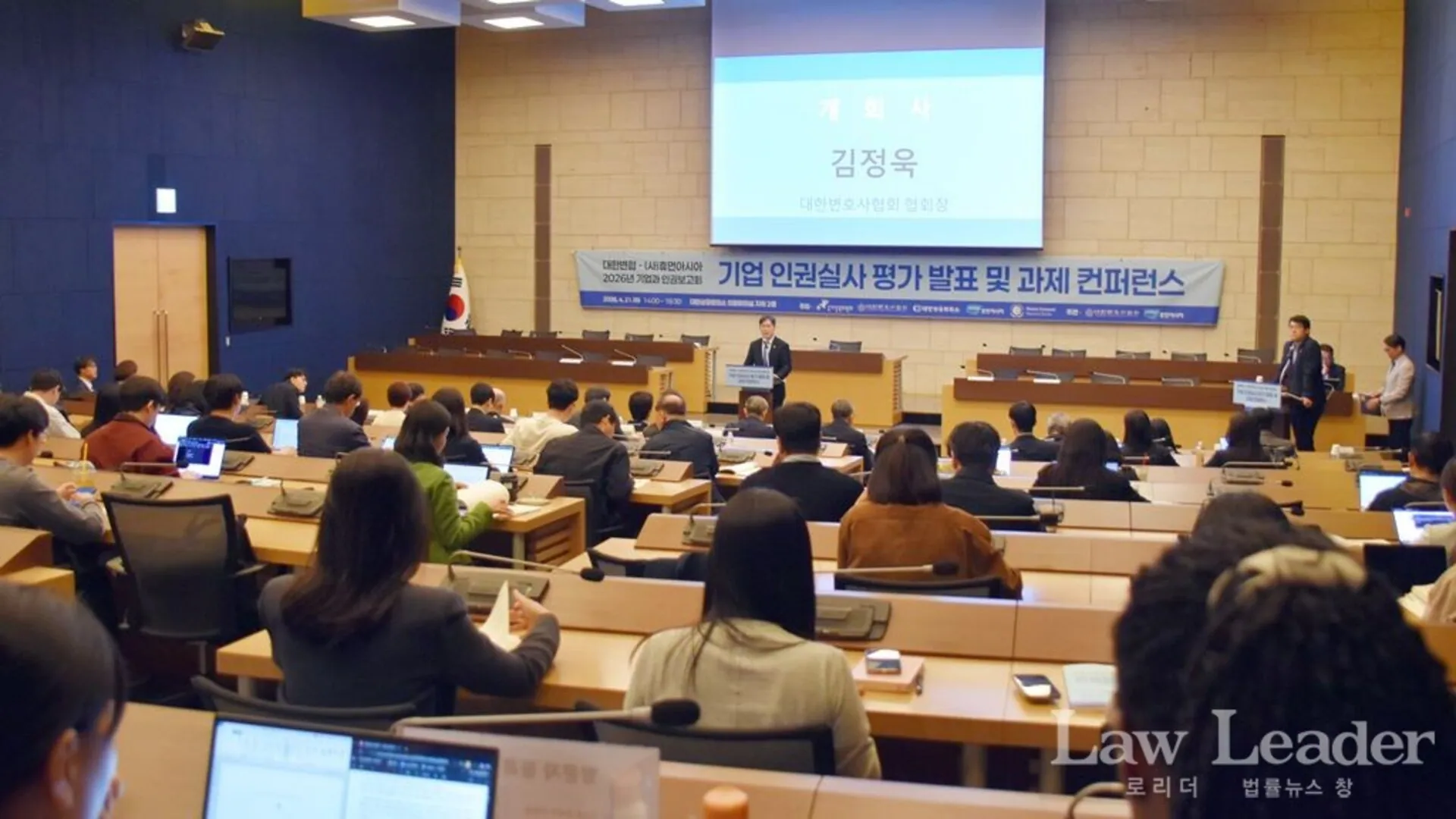
Corporate and Human Rights Reporting Conference - Corporate Human Rights Due Diligence Evaluation Presentation and Task Conference
출처 : 로리더(http://www.lawleader.co.kr)
Hyundai Engineering & Construction topped the list with a perfect score of 12, followed by LG Electronics, Naver, Samsung Electronics, and Kakao. At the other end of the ranking, Coupang placed last with 1.25 points, with HYBE among the lowest-performing companies alongside NH Financial Group and the Export-Import Bank of Korea.
Despite having a publicly stated human rights policy, HYBE was flagged for significant gaps in implementation and transparency. The company earned 1.5 out of 3 points in the policy commitment category, with evaluators noting the absence of clear commitments to human rights remedies and a lack of requirements imposed on partner companies. It also did not disclose any cooperation with judicial or non-judicial grievance processes.
In terms of internal systems, HYBE received just 0.25 out of 1 point, with limited information provided on leadership accountability, organisational responsibility, and supply chain resource allocation.
The company scored zero in the human rights due diligence category, with the report citing a lack of disclosure across all stages—from risk identification and assessment to implementation, tracking, and communication. Evaluators also noted that HYBE appears to rely primarily on passive reporting channels rather than proactive systems.
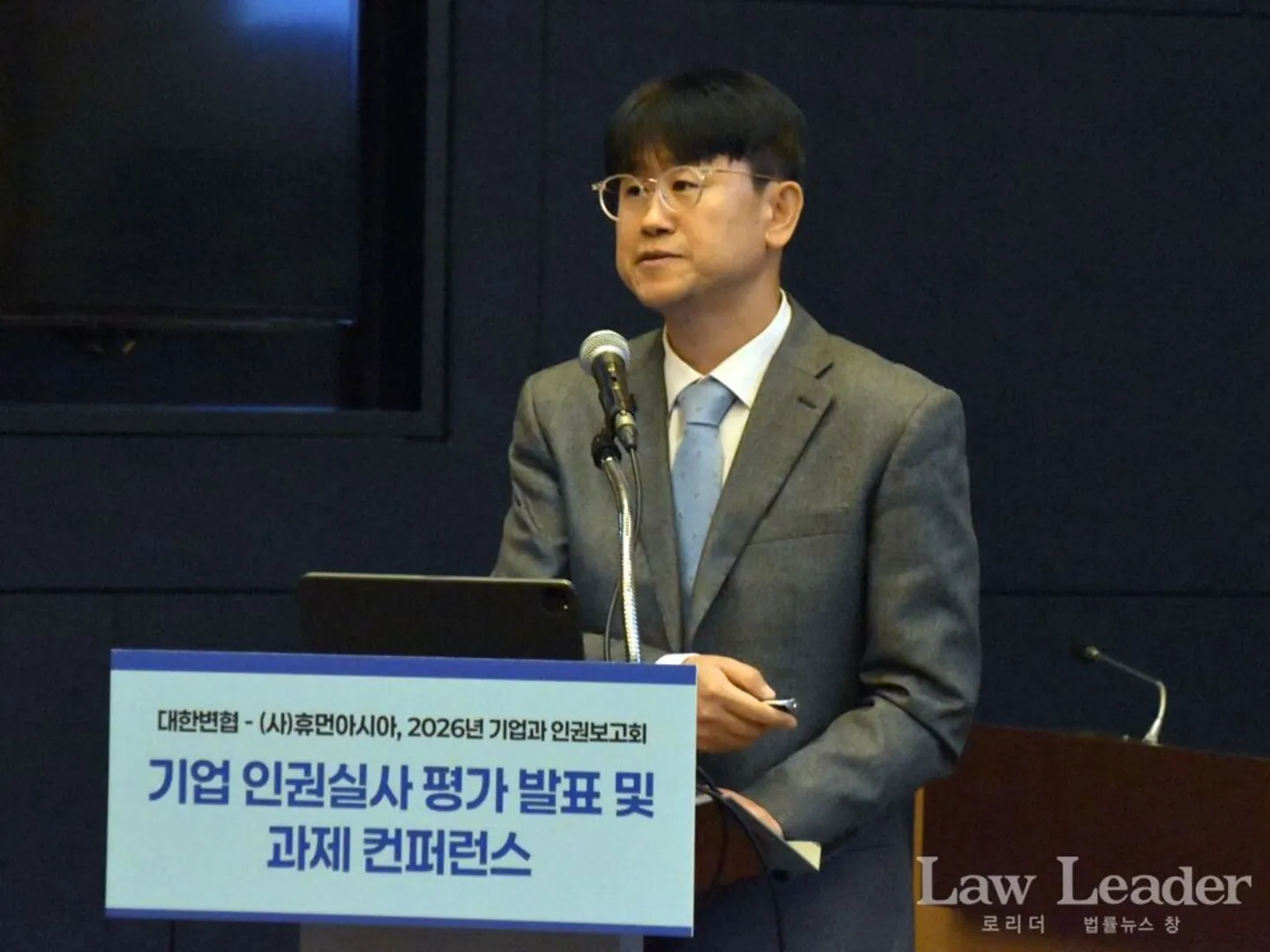
Attorney Lee Geun-woo
출처 : 로리더(http://www.lawleader.co.kr)
HYBE’s grievance and remedy mechanisms similarly fell short, receiving only 0.5 out of 3 points. While basic reporting channels for workers and external stakeholders were acknowledged, the evaluation highlighted the absence of key elements such as accessibility standards, supply chain coverage, and structured remedy systems.
Attorney Lee Geun-woo, who led the report, emphasised that the evaluation was not intended to single out or criticise individual companies but rather to analyse publicly available data and identify broader gaps in implementation. “While many companies have systems in place, there are still significant shortcomings when it comes to actual execution,” he said.
The findings come amid separate legal developments involving HYBE chairman Bang Si-hyuk. On 21 April, police sought an arrest warrant over alleged violations of the Capital Markets Act related to fraudulent trading. However, prosecutors rejected the request on 24 April, calling for further investigation. Authorities have since indicated that it remains unclear whether a new warrant will be pursued.
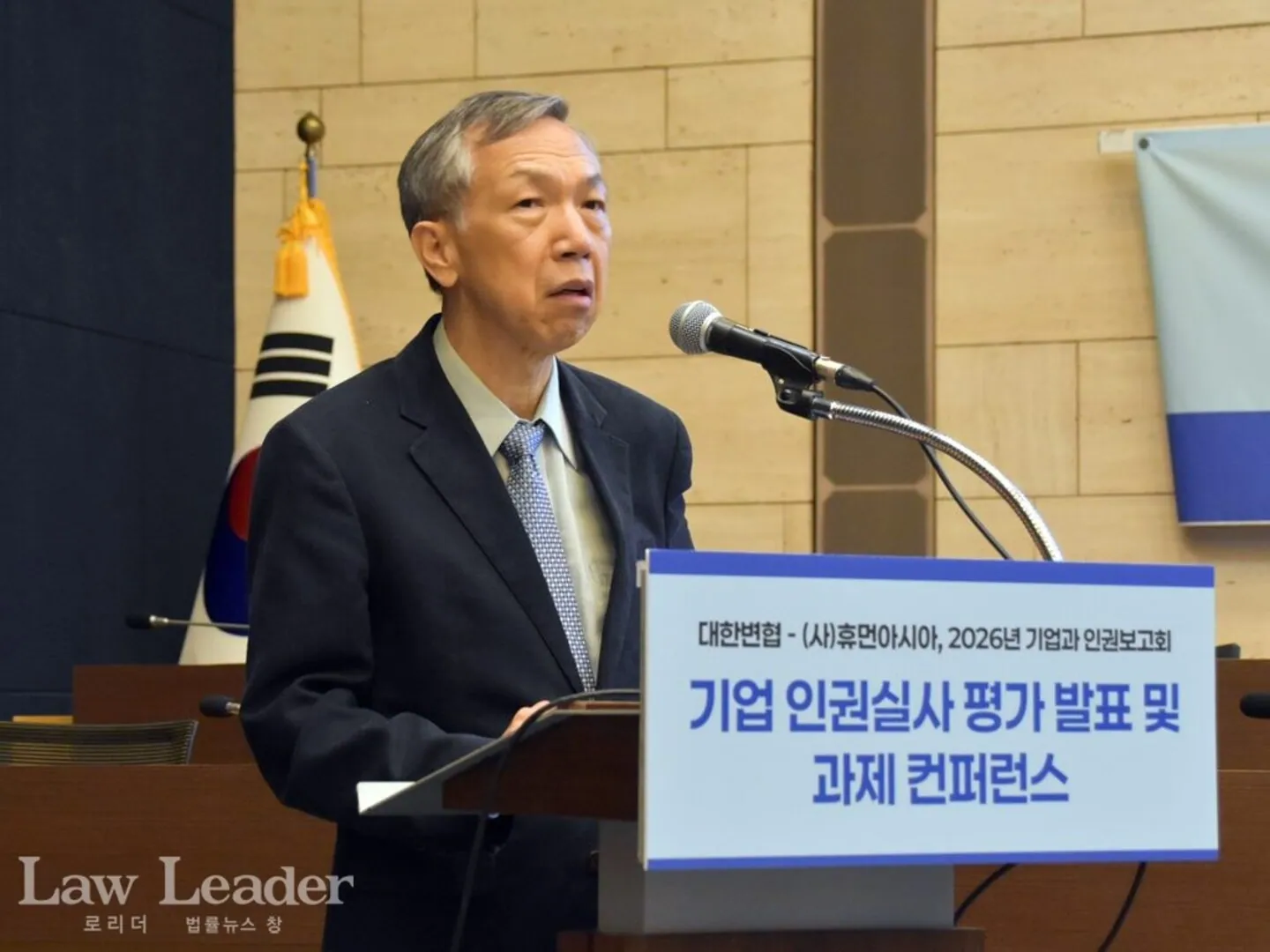
Attorney Lee Geun-woo
출처 : 로리더(http://www.lawleader.co.kr)
According to organisers, the evaluation aims to encourage stronger corporate accountability and support companies in improving their human rights practices. Professor Lee Sang-soo of Sogang University, who also heads the Human Asia Center for Business and Human Rights, described the CHRB framework as a widely recognised global standard, adding that the initiative is intended to foster “mutual growth” rather than assign blame.
The assessment covered a selection of major Korean companies based on 2024 revenue data, with adjustments made to ensure balanced industry representation.
Like what you read? Show our writer some love!
-