
Familiar songs became an invitation to sing along, swap memories, and discover a piece of Singapore’s musical history at Our Tampines Hub (OTH) on 16 November.
Bringing together Li Fei Hui (黎沸挥), yIN Harmony, The Crescendos, and emerging performers, 《欢聚。新谣时光》Xinyao Stories and Memories explored the home-grown songwriting movement through live music, personal stories, and activities that continued beyond the stage. Created and curated with TCR Music Studio, the day-long programme gave longtime listeners a chance to revisit songs they grew up with, while introducing younger audiences to the experiences behind them.
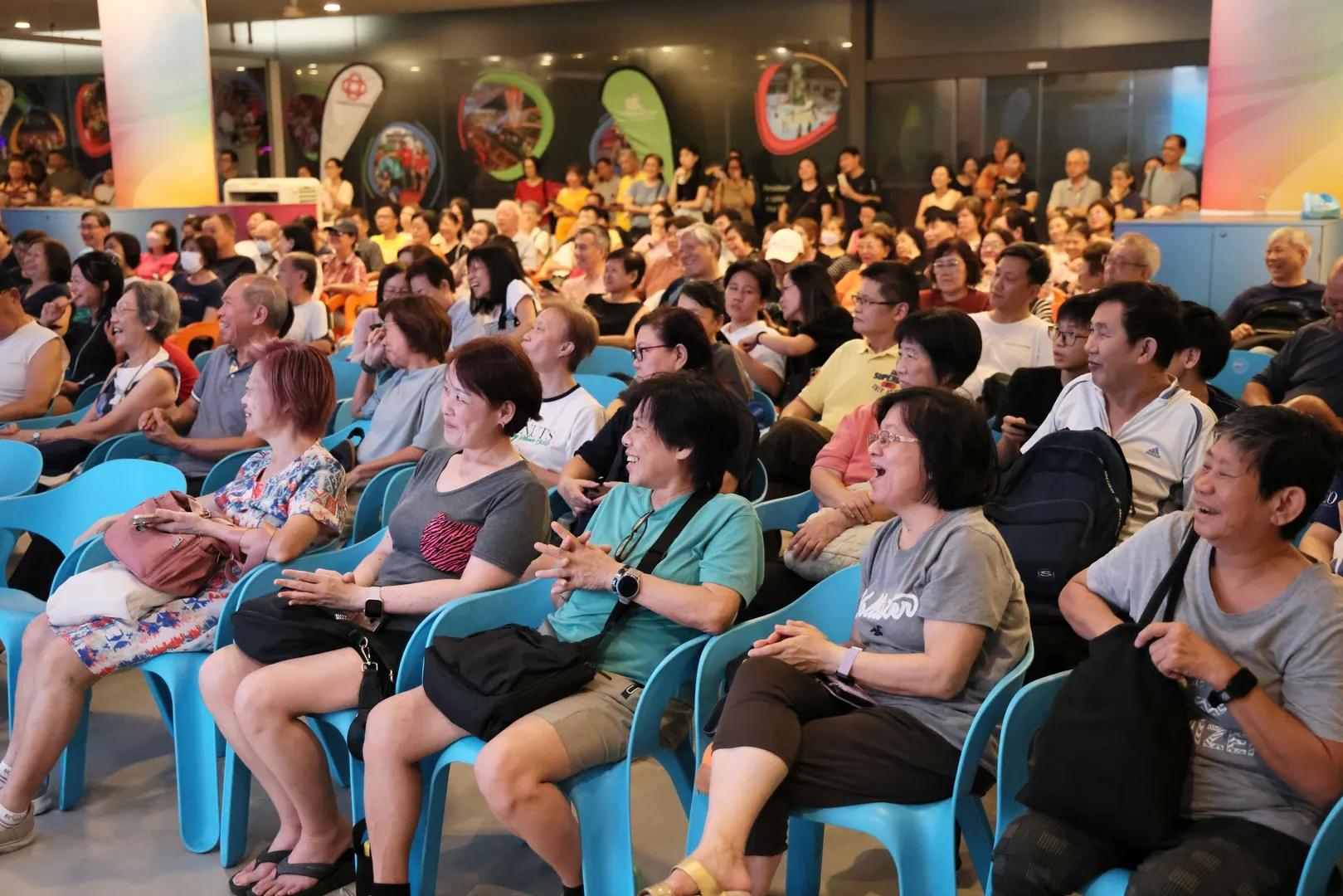
Veteran singer-songwriter Li Fei Hui connected the performances to the movement’s history, sharing personal insights into how xinyao developed and evolved. His combination of storytelling and music placed the songs within the lives of the people who created and embraced them.
Drawing inspiration from Taiwan’s minge movement during its formative years, xinyao developed its own Singaporean identity through songs about friendship, growing up, aspirations, and everyday life. Those themes provided a thread through a programme that brought musicians from different generations and communities together.
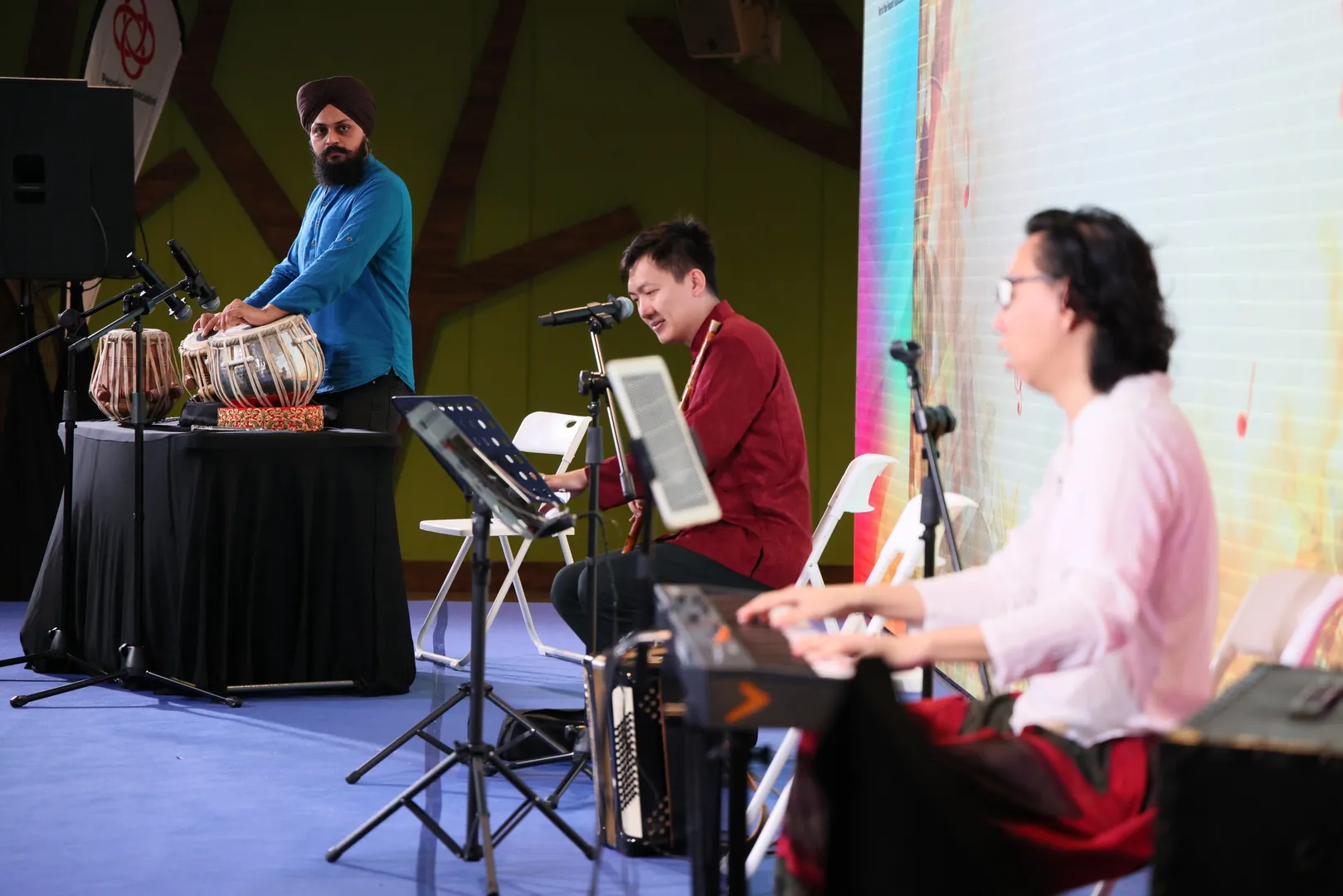
For multicultural collective yIN Harmony, revisiting the repertoire meant giving classic xinyao songs a modern twist. Their interpretations offered another way into familiar material, reflecting the programme’s aim of making the music accessible to listeners from different backgrounds.
The Crescendos brought the audience into the performance itself, leading a xinyao sing-along. An OTH Visiting Arts Group since 2021, the community choir made shared participation part of the day’s appreciation of the genre.
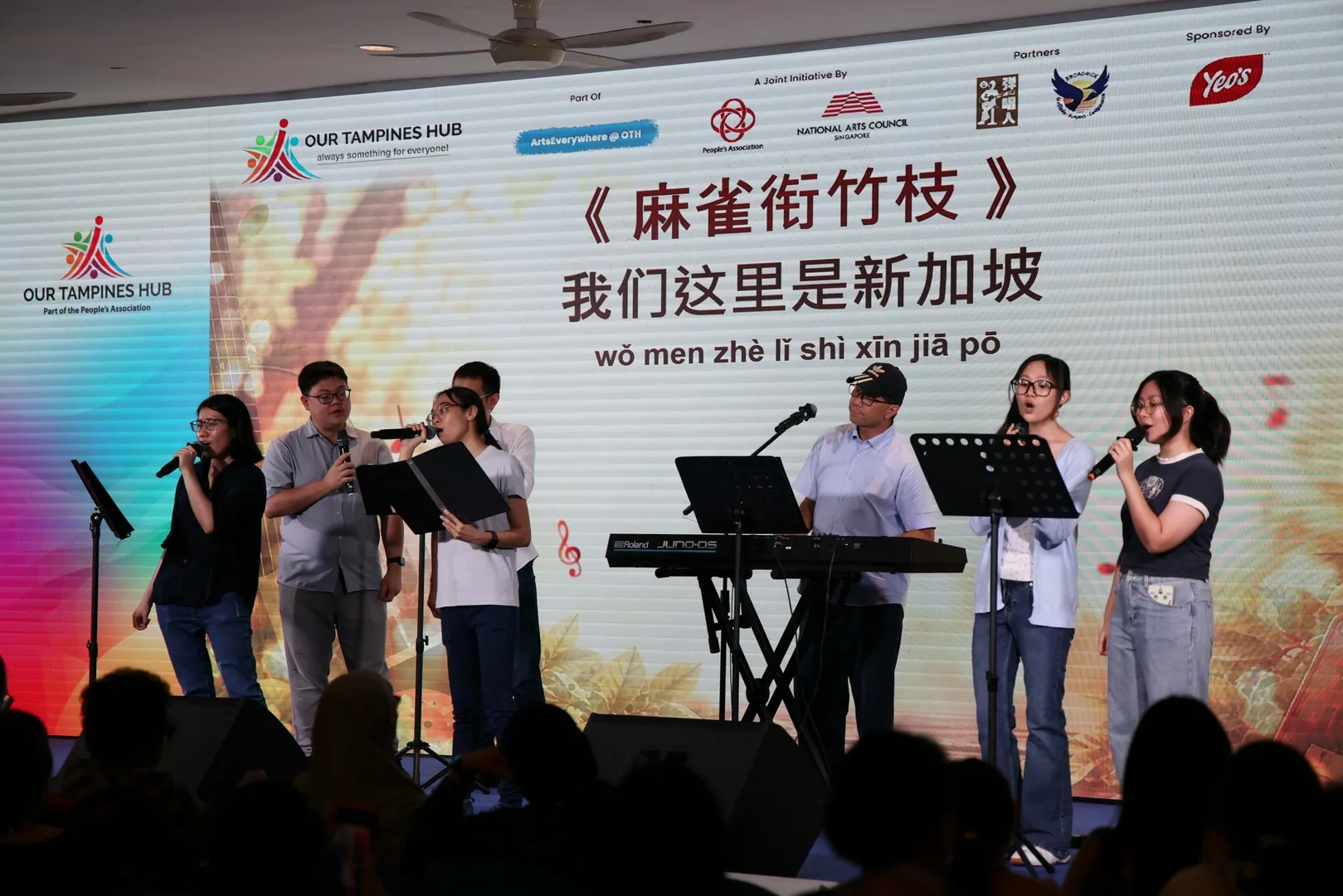
Younger performers also had their place onstage. Among the TCR Music Studio talents were winners and finalists of the Xinyao Singing and Songwriting Competition 2026 (新空下), including Apple Pi (苹果Pi). The female vocal trio, comprising three friends, won this year’s competition after finishing second in 2025. Their appearance alongside established musicians connected the movement’s history with a generation continuing to perform its songs.
Away from the stage, a curated memorabilia display invited residents to explore the people and places associated with xinyao. Interactive activities encouraged them to identify familiar tunes, match lyrics with English translations, and uncover the stories behind well-known works.
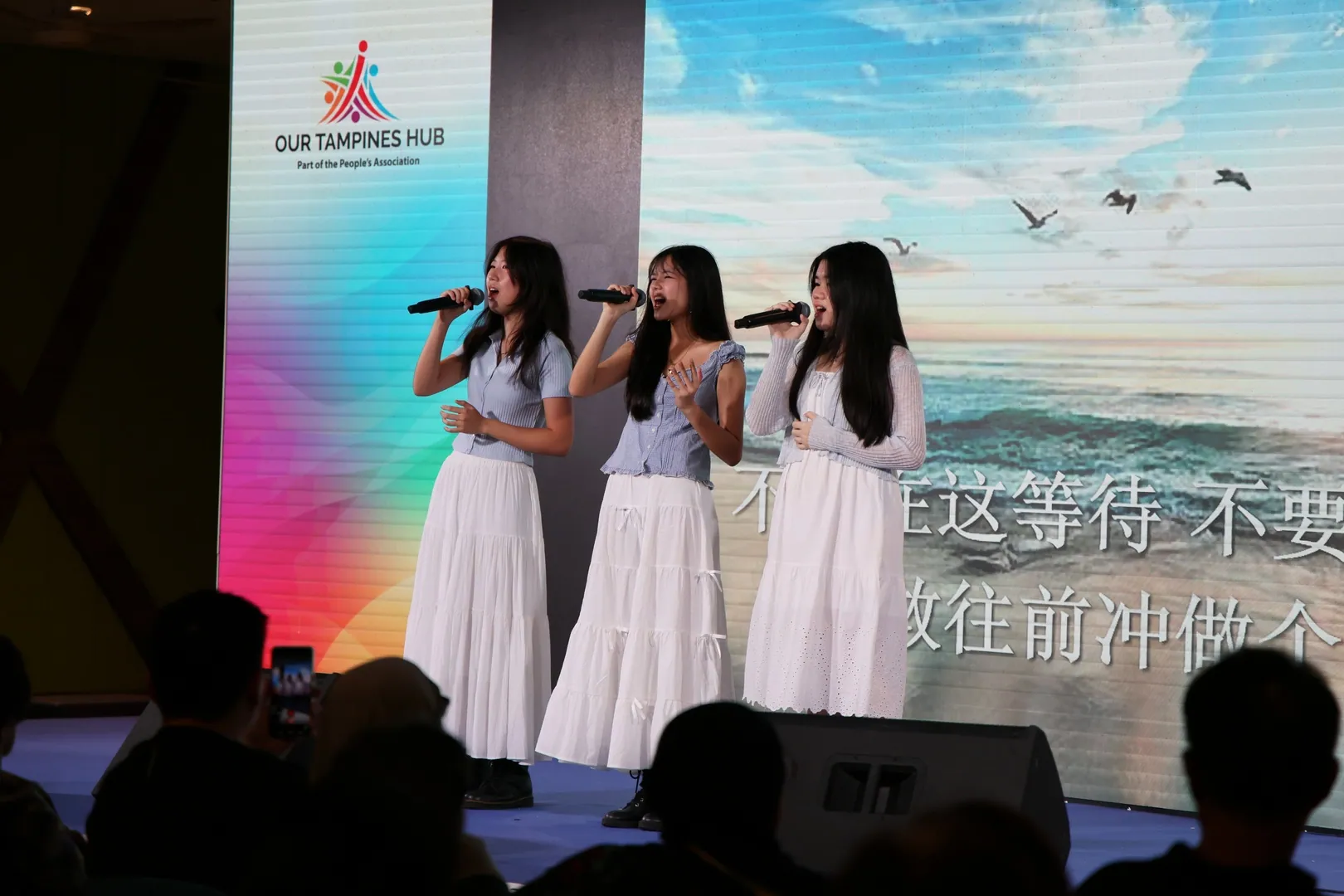
Thirty student volunteers from Broadrick Secondary School helped guide residents through the exhibits and activities. The exchanges gave the students an opportunity to learn about the music while hearing what it meant to those who had lived with it for years.
“Before taking part in this programme, I knew some xinyao songs but not the stories behind them,” said 14-year-old volunteer Hazel Goh Min Xuan. “Learning how the music reflected the friendships, hopes and everyday experiences of young Singaporeans helped me understand it in a new way. It was meaningful to share these stories with residents and hear the memories that the songs brought back for them.”
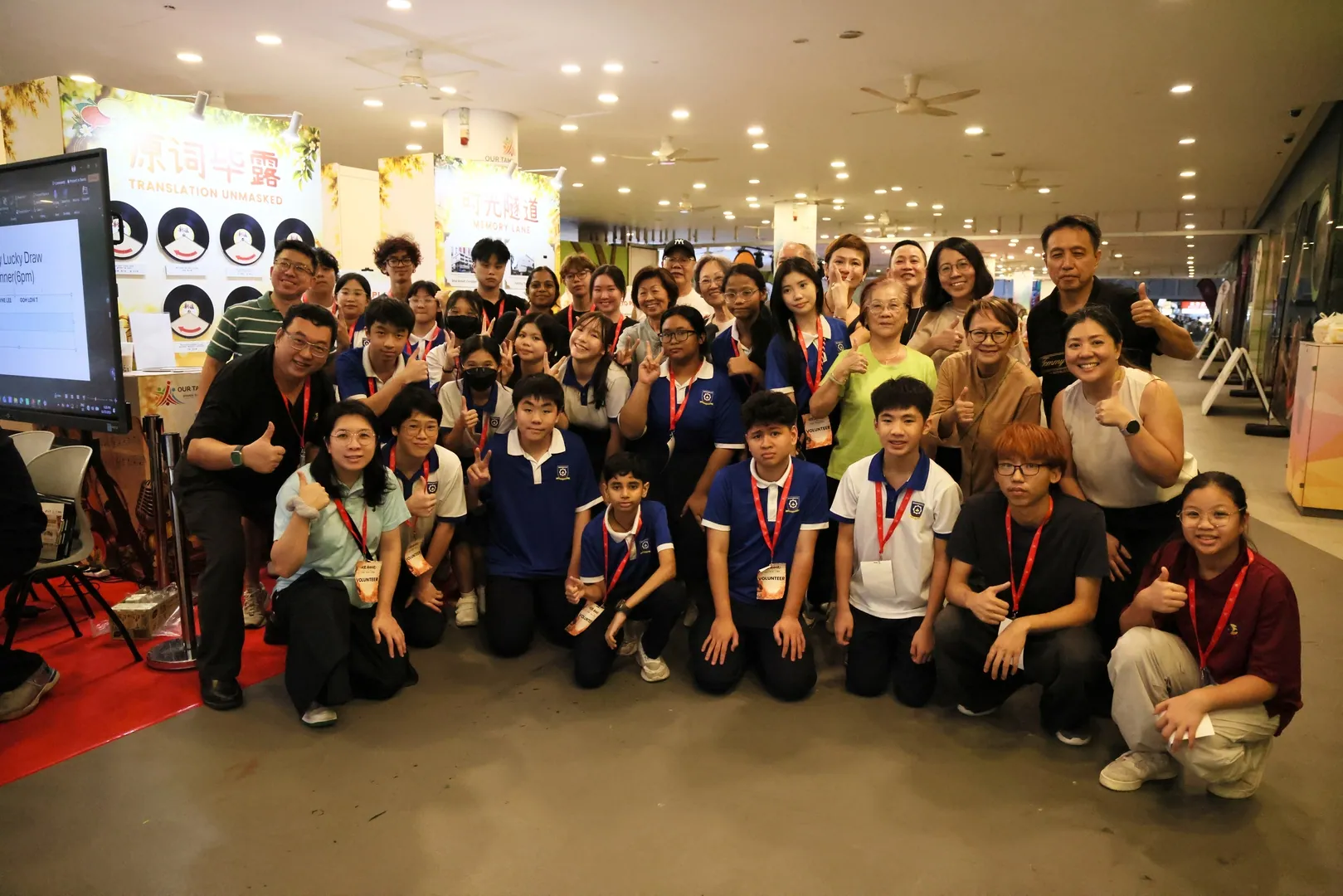
That exchange between generations reflected the thinking behind the programme. Stella Wong, Deputy General Manager at OTH, noted that while xinyao forms an important part of Singapore’s Chinese-language musical heritage, its themes of home, friendship, and belonging can resonate more widely.
“By presenting the music alongside its stories and history, we hope more residents can discover, appreciate and form their own connections with the genre,” she said.
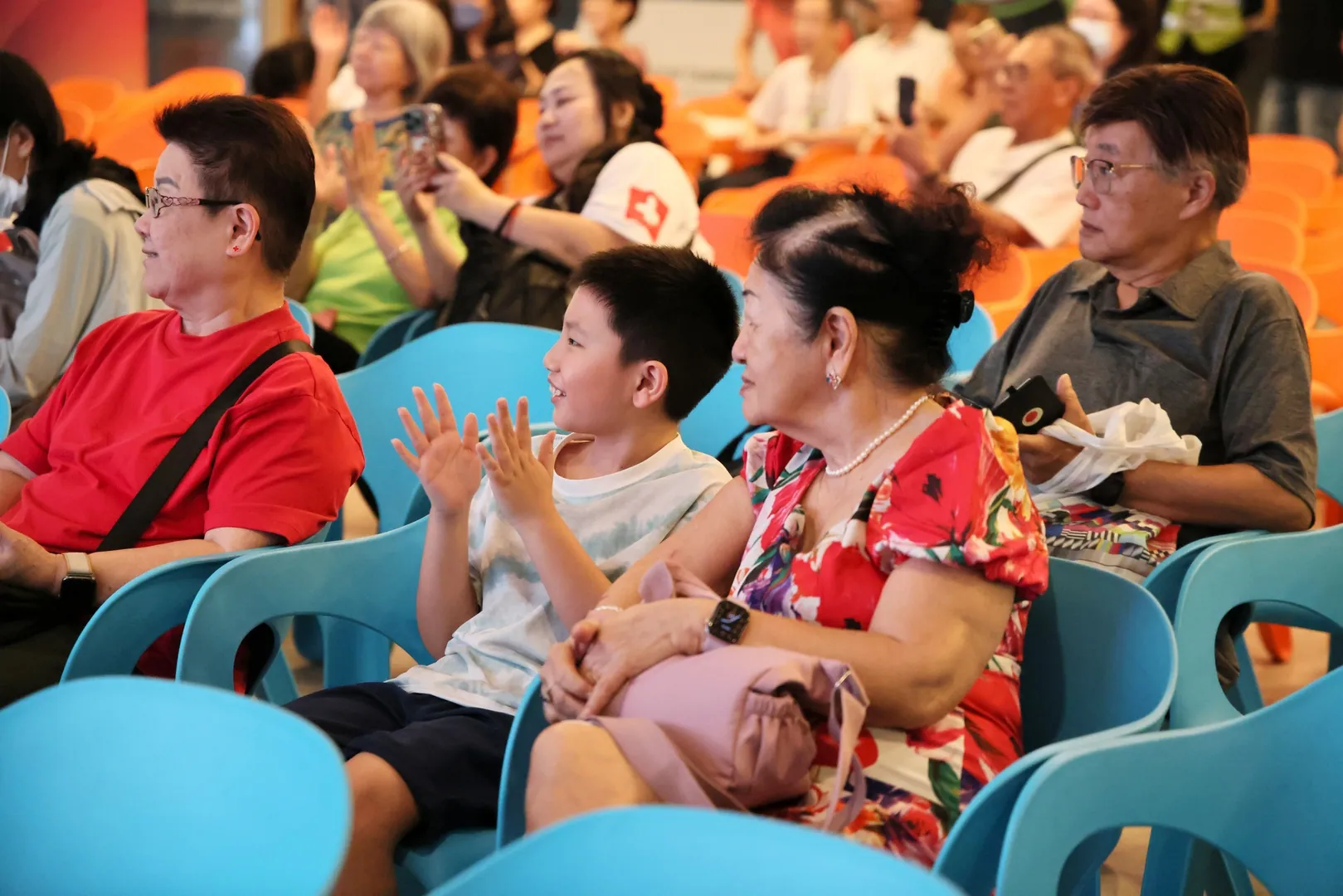
The programme continues with 《欢聚》新谣与民歌演唱会 Songs that Bring Us Together: XinYao & MinGe Concert on 21 November. Ahead of that gathering, the day’s performances, sing-alongs, and conversations offered a reminder of how these songs endure: through people returning to them, sharing their memories, and passing them on.
Like what you read? Show our writer some love!
-