
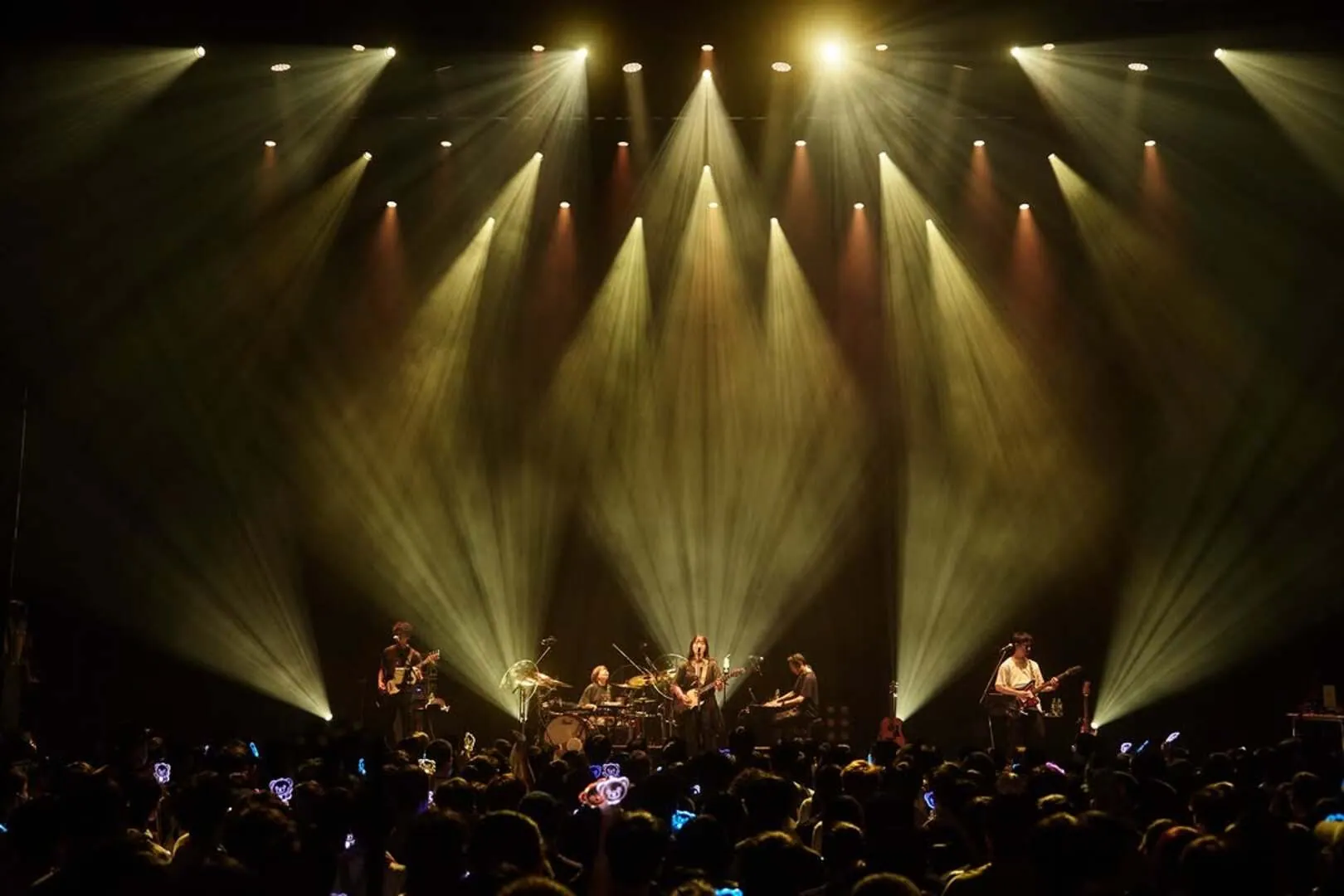
Japanese singer-songwriter Yuika lit up The Theatre at Mediacorp on 5 June as the Yuika 2nd Asia Tour in SINGAPORE arrived on our shores. The rising star has earned widespread acclaim, with her emotionally resonant lyrics and delicate melodies creating dreamlike soundscapes that connect deeply with listeners.
Ahead of her Singapore show, Yuika reflected on the unique path she has forged through her music. From the viral success of ‘Suki Dakara’ to her journey from a girl in Nara to an artist whose lyrics resonate with audiences worldwide, and the role anime has played in her artistry, she opens up about the experiences that have shaped her music. Learn more about the person behind the melodies as Yuika shares the stories, influences, and milestones that have defined her career.
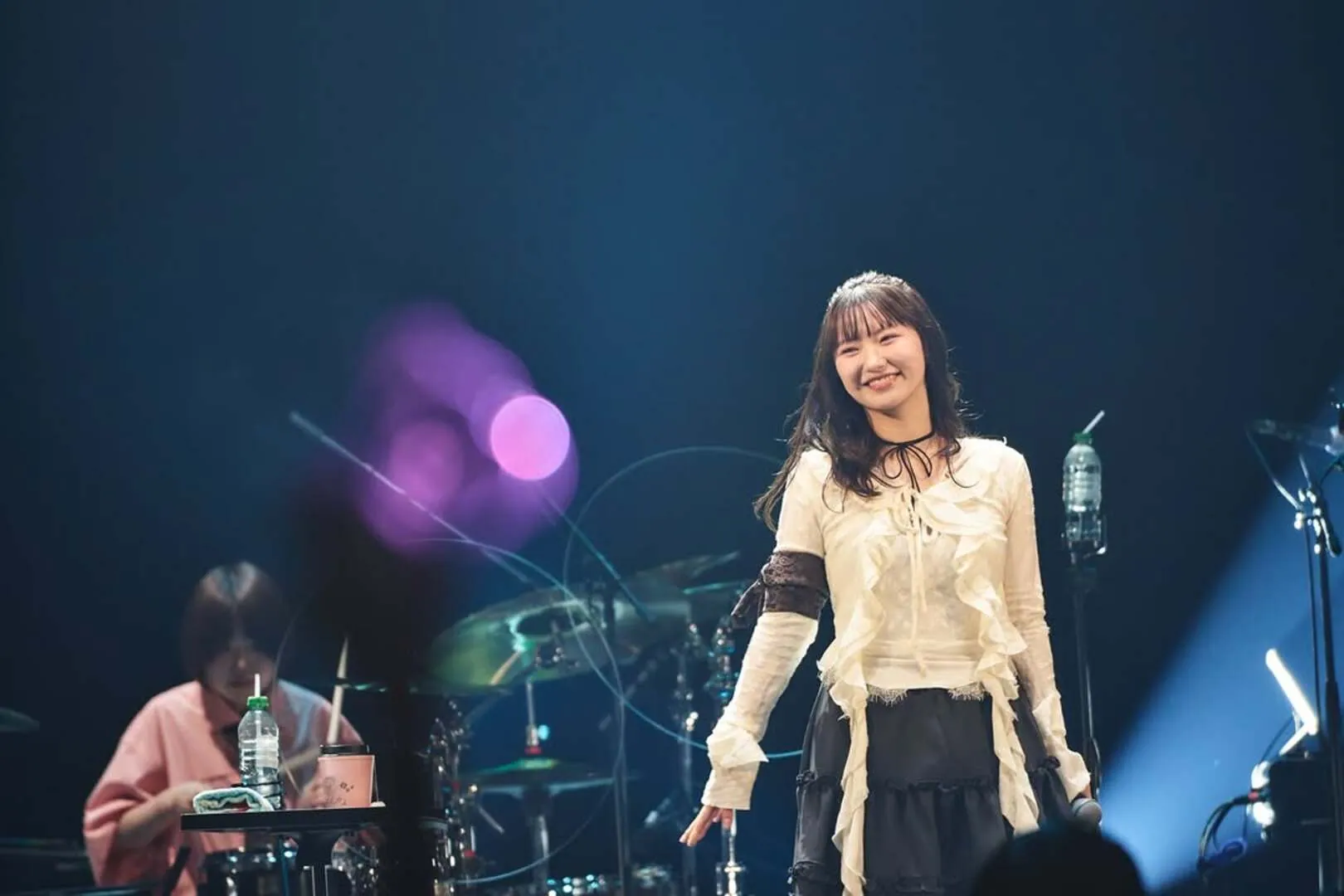
You first started reaching many listeners through 'Suki Dakara', which became a song that many young people connected with. Looking back now, what do you remember most about that period in your life?
When I released ‘Suki Dakara’, it did not really feel real to me. I did not really understand what it meant for a song I had written to be officially released. But as I saw the numbers keep growing and realised that it was reaching so many people, I had this vague feeling that it must be circulating and spreading out there. Still, it was not like I was hearing about it directly from the people around me, so it was released while I was still feeling unsure about what was happening.
Your songs have connected strongly with listeners outside Japan, especially across Asia. What has surprised you most about that connection?
With my songs, I really try to make sure the lyrics have meaning. I write them in Japanese, and there are not really moments where English lyrics appear, so it felt really strange and mysterious that the meaning was still being properly conveyed. But the things I wanted to express were getting across, so I was really glad about that.
Your first album, Koniro ni Akogarete, marked a major milestone in your career. What did that album teach you about yourself as an artist?
‘Koniro ni Akogarete’, from my first album, was a song I wrote while thinking about Ami Sakaguchi, a singer-songwriter I admire. It is the lead track, and when I was writing it, it became a moment that made me think a lot about what exactly led ユイカ to start making music. Because I was able to write this song, I feel like it became a chance for me to grow even more. Looking back on it now, I think it was a really big turning point for me.
You have contributed many songs to anime. How does writing for an anime project differ from writing a song from your own personal starting point?
When I work on anime tie-ins, I pay a lot of attention to the anime itself. I often think from the perspective of the anime’s protagonist, and while doing that, I look for parts that connect with me or emotions that overlap with my own feelings. Because of that, it does not really feel difficult. It feels very similar to the way I usually make music.
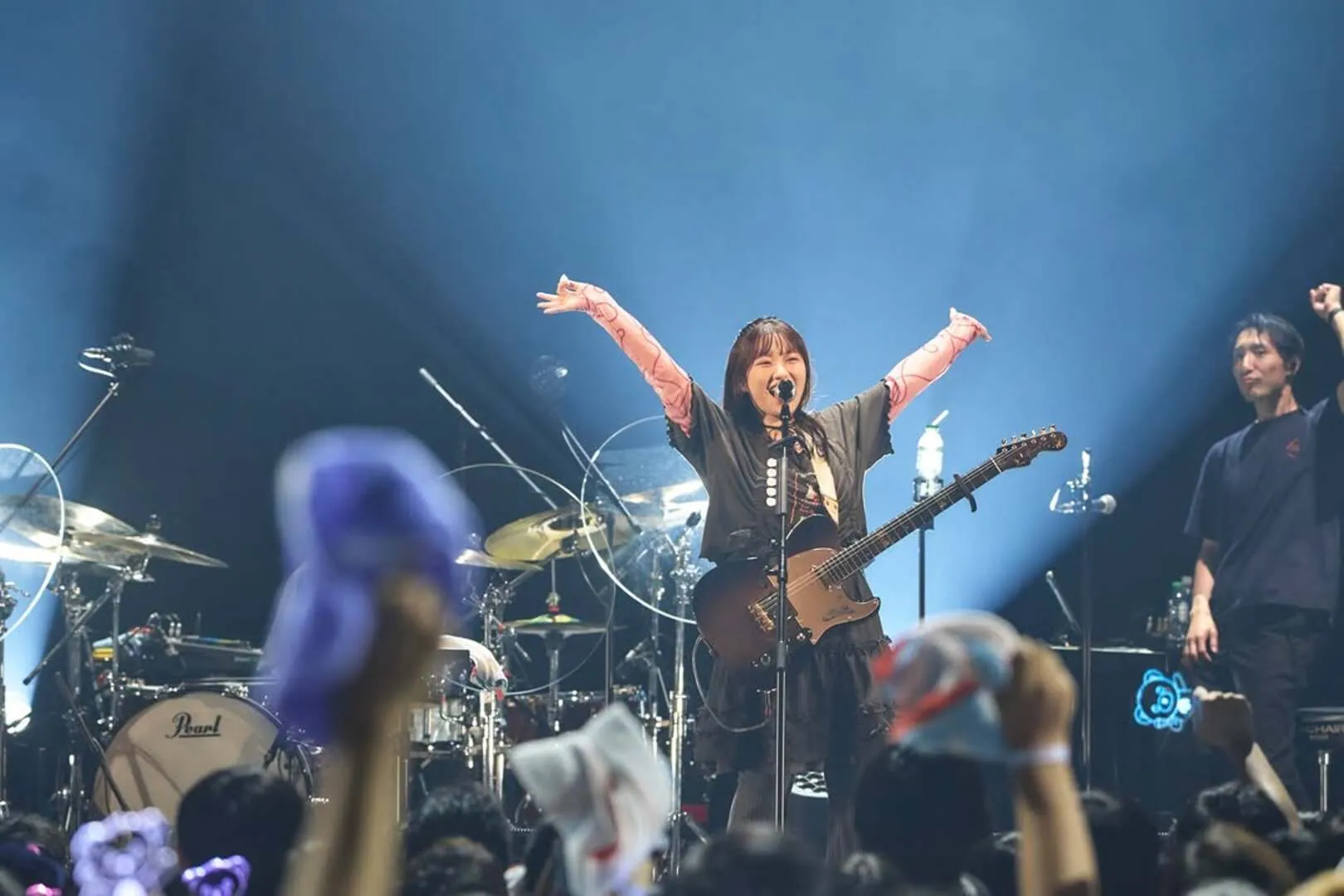
Recently, 'Ohime-sama ni wa Narenai' was used as the ending theme for ’Tis Time for “Torture,” Princess season 2. What was your reaction when you found out the song would be part of the anime?
I had already read the original manga for 'Tis Time for "Torture," Princess, so I was really happy to be involved with an anime that I already knew. It was a series I had known since before I started making music, so I felt really happy. At the same time, it is also an anime with so many fans, so it was a song I made while thinking about a lot of different things. When I actually saw my song playing in the series, I felt so happy. I was like, “I wrote this song, and now it is playing on television.” It was really fun.
In April, you also performed 'Sankaku Game' for the anime Pardon the Intrusion, I’m Home! What was your creative approach to that project?
Pardon the Intrusion, I’m Home! is centred around a love triangle. When I write love songs, I often put my own real experiences or things I have gone through into the song. But I have never experienced a love triangle before. So I kept reading the original work while thinking, “What even is a love triangle like?” I was really focused on that while writing. I think I was able to express the version of a love triangle that I imagined.
Anime has introduced many Japanese artists to listeners around the world. Have you noticed new fans discovering your music through these theme songs?
There are really so many people who say things like, “I discovered this song through the anime,” in music video comments and other places. I receive a lot of those comments, and it makes me feel like the music is really spreading. The fact that people who watched the anime would go out of their way to watch my music video means that they are really listening and getting to know my music. That makes me very happy.
You’re also now performing in more cities across Asia. What have you discovered about the way fans in different places respond to your music?
I can really feel that everyone has been looking forward to it so much. Because I am looking forward to it too, I think my own excitement has also been really high. I am honestly very nervous, but at the same time, the audience helps me feel at ease. Across Asia, the languages are different, and each country has its own unique characteristics. Some people cheer loudly the whole time, some sing along with me, and some even cry. There are really so many different reactions, and I find that very interesting while I am performing live.
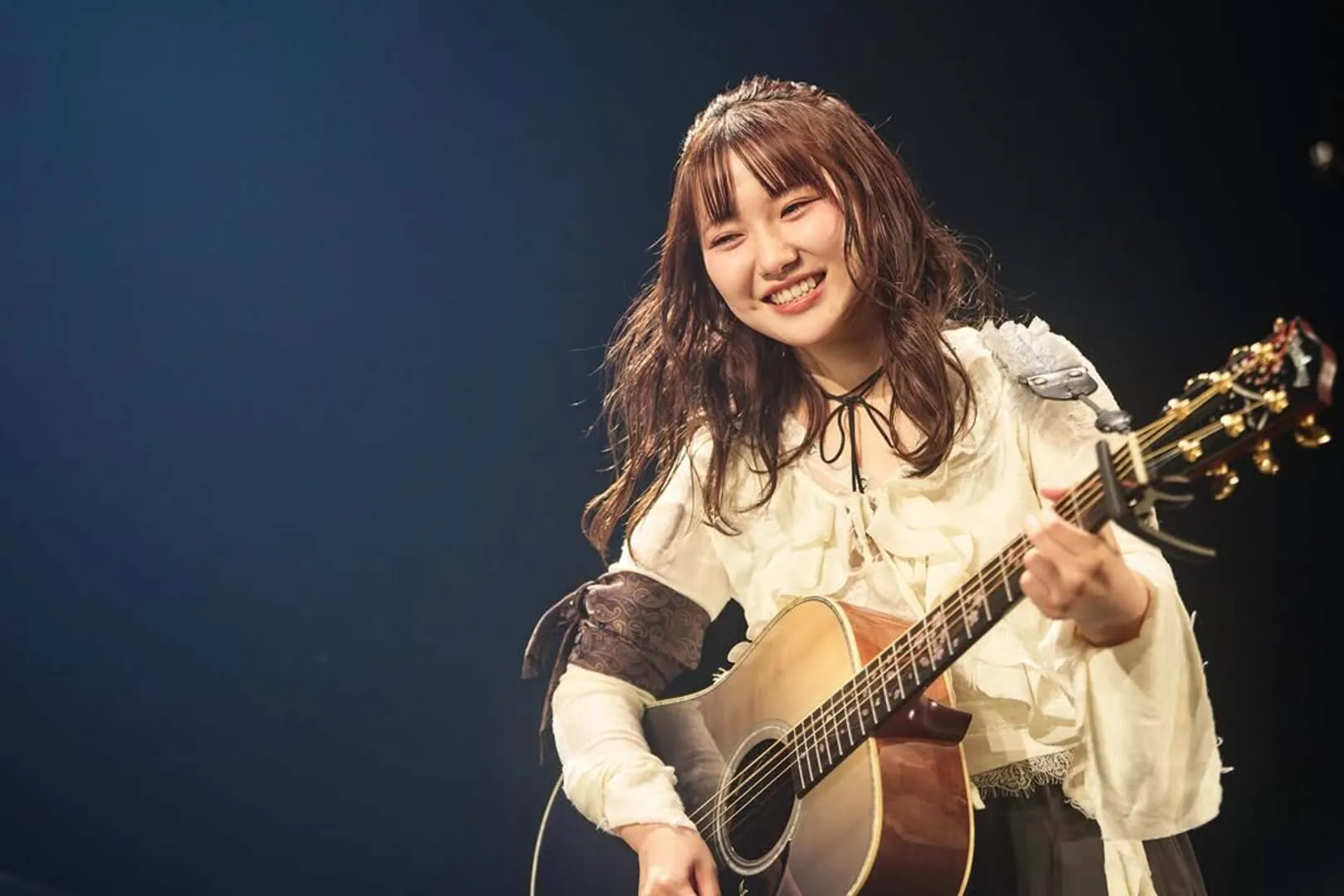
Later this year in September, you will hold a solo show at Tokyo International Forum Hall A, your largest venue so far. How are you preparing yourself for that milestone?
There are still a lot of things I have to keep secret for now. But I hope I can present something that feels like the culmination of everything I have done so far. More than that, I want to make it a live show where I can give back to everyone who has supported me all this time. I hope everyone will look forward to it.

Finally, you will be making your Singapore debut this June! What are you most looking forward to about meeting your fans in Singapore for the first time?
First of all, I am really happy that I get to cross countries and oceans to meet everyone. I am also really happy that my songs have been listened to that much. Since it will be my first time meeting everyone, I am really looking forward to it. I wonder what kind of reactions everyone will have, and whether they will sing along with me. I am really excited. It will also be my first time going to Singapore, so I am full of excitement about what kind of country it will be. I hope everyone will look forward to it too.
Like what you read? Show our writer some love!
-